Two years ago, suggesting a leisurely afternoon walk in Dubai sounded counterintuitive. Today, locals are queuing for spots at newly reimagined parks, cycling along expanded pathways, and discovering neighbourhoods they'd previously driven through without stopping.
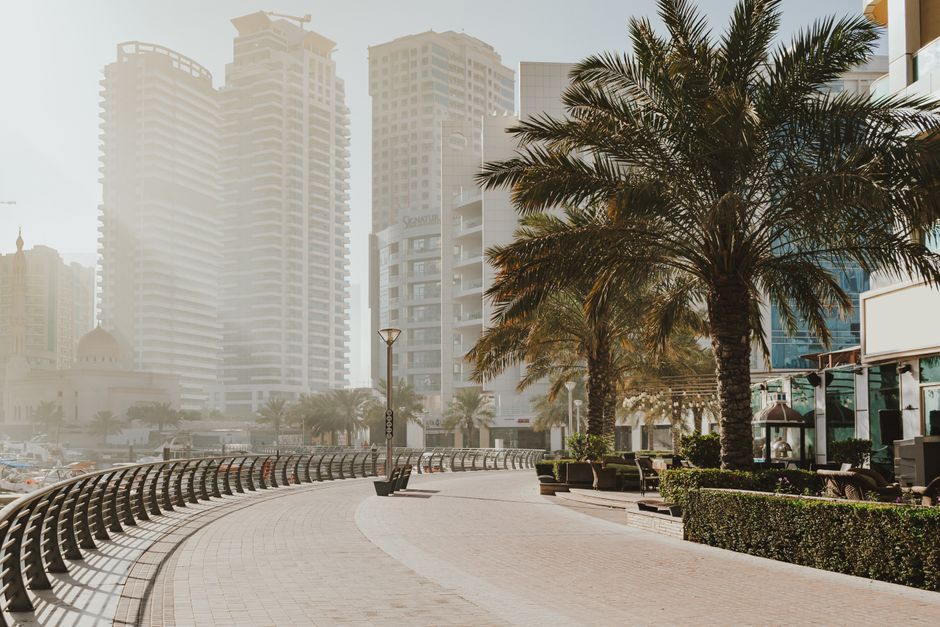
The shift reflects a fundamental change in how Dubai is building for people, not just cars. The completion of Phase 2 of the Deira Waterfront development has opened up kilometre-long promenades along the creek, while the expansion of the Al Khawaneej Green Belt has added 600 hectares of accessible parkland in one of the city's fastest-growing residential zones. These aren't token gestures—they're serious infrastructure investments that locals are embracing with genuine enthusiasm.
Zabeel Park, historically popular, has undergone significant upgrades to its walking trails and family zones. But the real game-changer has been the activation of secondary spaces. The newly pedestrianised stretches around Dubai Hills Estate, the improved cycling network connecting Downtown to the Marina, and the opening of intimate pocket parks in Al Manara and Umm Suqeim have given residents alternatives to the same three destinations they cycled through annually.
What's driving this change? Urban planners and developers cite shifting demographics and post-pandemic behaviour. Dubai's population is now 50% second and third-generation residents—people who want community spaces, not just commercial ones. The emirate's extreme summer heat, historically an excuse to stay indoors, is being addressed through shaded walkways, water features, and strategic landscaping that makes mid-morning jogs feasible rather than masochistic.
The economics support this too. Monthly membership to premium gym facilities runs between AED 500–800. By contrast, a family outing to a revamped public park costs nothing, making green spaces increasingly attractive as cost-of-living pressures mount. Social media has amplified this shift—Instagram-worthy park moments from Hatta Dam's recently upgraded trails and the newly restored wetlands near Mushrif now rack up engagement comparable to mall-opening posts.
Infrastructure improvements have practical ripple effects. The expansion of dedicated cycling lanes has reduced commute times on secondary routes; improved park amenities mean young parents no longer feel obliged to drive to commercial complexes for playground time; and community groups are organising regular meet-ups at These spaces in ways that were impossible five years ago.
Dubai's green revolution isn't about abandoning consumerism—it's about adding substance to the lifestyle equation. For locals tired of the relentless retail-hospitality cycle, these spaces represent something simpler and increasingly rare: the chance to breathe, move, and connect without a transaction involved.
This article was compiled by AI from the sources linked above and screened before publishing. See our editorial standards.