Your Essential Practical Guide to Moving Beyond Your Villa: How New Dubai Residents Can Master the City
Fresh arrivals often stay in their comfort zones—here's how to navigate neighbourhoods, transport, dining and culture like a seasoned Dubaian.
Fresh arrivals often stay in their comfort zones—here's how to navigate neighbourhoods, transport, dining and culture like a seasoned Dubaian.
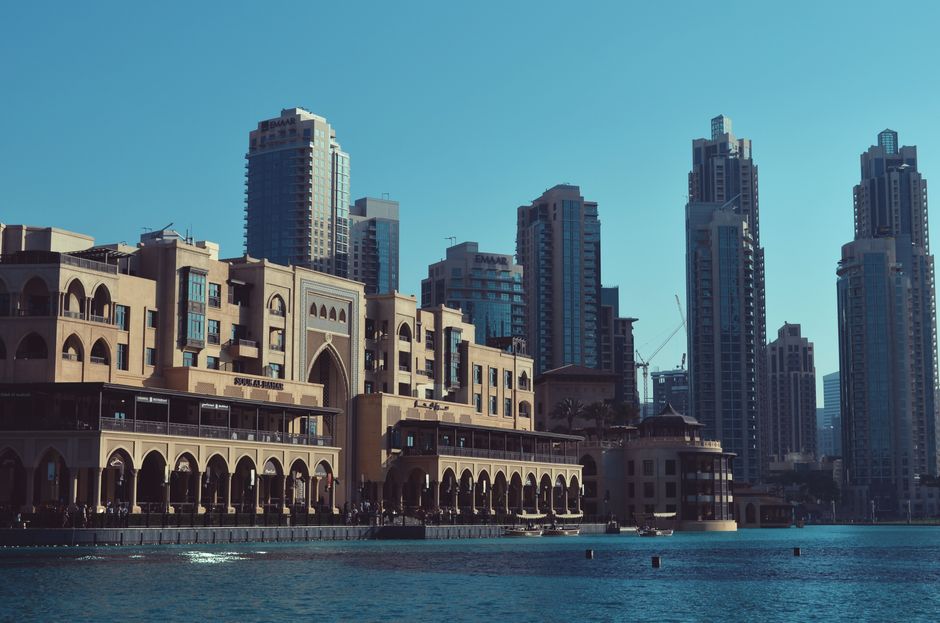
The first three months in Dubai can feel overwhelming. You've settled into your villa in Arabian Ranches or your apartment in Downtown Dubai, but venturing beyond your immediate neighbourhood requires strategy. The good news: Dubai rewards explorers with its world-class infrastructure and diverse communities.
Start with transport logistics. The Dubai Metro—the 76-kilometre automated system—is your most reliable friend. A Nol card (around AED 25 including balance) works across Metro, buses, and trams. Most expats discover that the Red Line from Jebel Ali to Rashidiya covers major destinations: Marina Mall, World Trade Centre, and Business Bay. Taxis via Uber and Careem remain affordable by global standards; expect 15-25 dirhams for short trips within a neighbourhood.
Neighbourhood exploration should follow a logical pattern. Downtown Dubai offers luxury dining and shopping; Al Wasl and Jumeirah cater to beachgoers; Deira's Gold Souk and Spice Market provide authentic cultural immersion under AED 50 for most purchases. New arrivals often overlook Satwa—a largely residential area near Sheikh Zayed Road where independent cafés, tailors, and affordable restaurants thrive without premium pricing.
Banking and essentials matter immediately. Opening an account at major institutions like Emirates NBD or FAB takes 30 minutes with passport and visa copies. Most supermarkets—Carrefour, Spinneys, Lulu—cluster in every neighbourhood. Budget around AED 400-600 weekly for a single person's groceries, though prices spike in premium locations like DIFC.
Social integration happens through structured channels. The Dubai Expat Centre on Sheikh Zayed Road handles visa queries; numerous Facebook groups organised by nationality help newcomers find communities. The American Community School and similar institutions host weekly networking events, though these skew toward established families.
Healthcare registration is non-negotiable. Dubai's public system requires DEWA (electricity/water) registration first—essential for residency confirmation. Most expats opt for private insurance; facilities like American Hospital and Medicana International rank among region's finest.
Finally, understand Dubai's seasonal rhythm. June through August brings extreme heat (45°C+); beaches empty, restaurants offer discounts, and locals migrate to air-conditioned malls. Winter months (November-March) see peak activity: outdoor brunches, beach clubs, and desert safaris operate at full capacity. Weekend plans should reflect this reality.
Success in Dubai isn't about knowing everything immediately—it's about leveraging the city's accessible infrastructure, diverse neighbourhoods, and organised expatriate networks to build your rhythm methodically.
This article was compiled by AI from the sources linked above and screened before publishing. See our editorial standards.
How does this story make you feel?
Spread the word
About this article
Published by The Daily Dubai
Daily brief
Free, in your inbox before 7am. Weekdays.
More in lifestyle