The Faces Behind Dubai's Best Neighbourhoods: How Real People Create Community
From Business Bay's young professionals to Al Fahidi's heritage custodians, we meet the residents shaping Dubai's most vibrant districts.
From Business Bay's young professionals to Al Fahidi's heritage custodians, we meet the residents shaping Dubai's most vibrant districts.
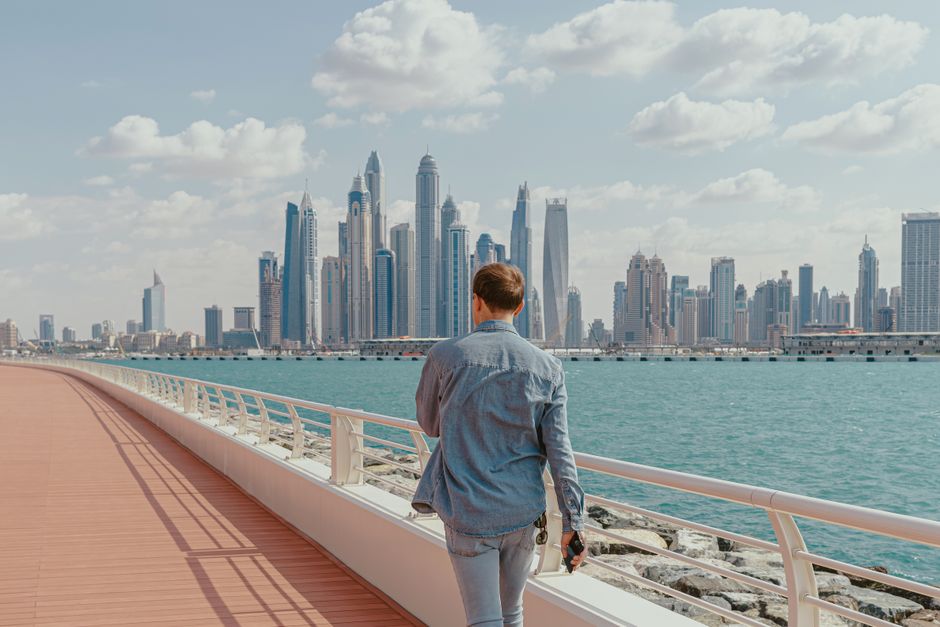
Dubai's most magnetic neighbourhoods aren't defined by their architecture or price tags—they're shaped by the people who choose to live, work and build lives within them. A walk through any district reveals a mosaic of stories that transforms postcodes into genuine communities.
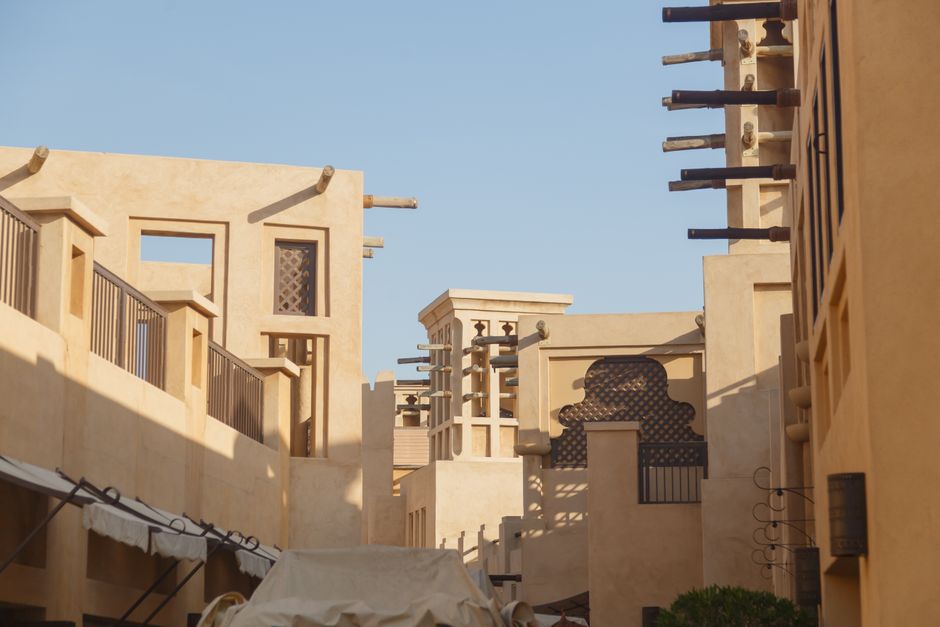
In Al Fahidi Historical District, a dedicated cohort of residents and business owners has become the neighbourhood's unofficial guardians. Local cafés along Bastakiya Lane—where heritage merchants once traded spices—now host creatives, writers and cultural enthusiasts. The restored wind-tower mansions attract professionals working in adjacent downtown offices who value authenticity over modernity. Property values in the area range from AED 800,000 to AED 2.5 million for compact apartments, drawing those prioritising character over size.
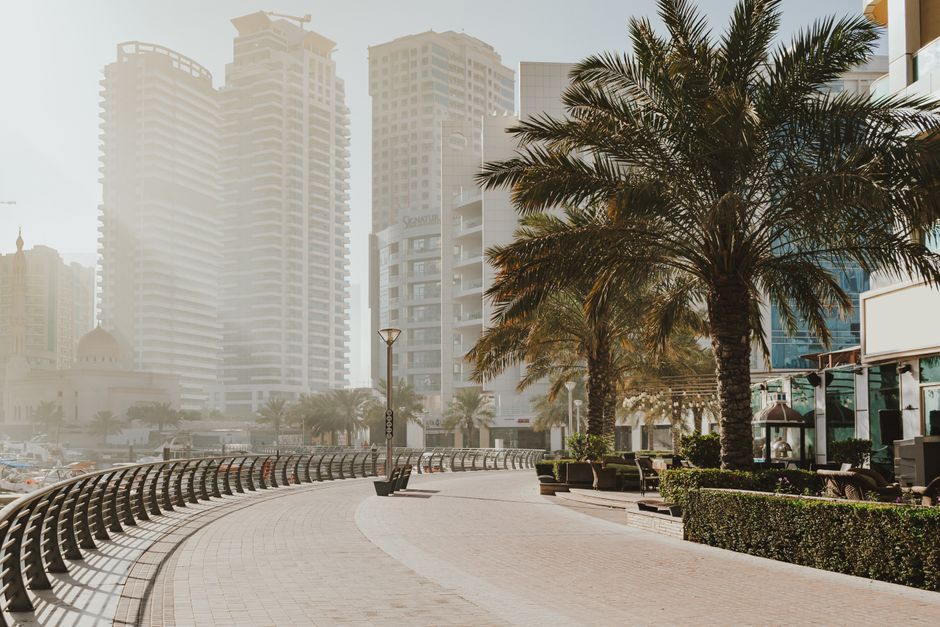
Cross into Business Bay and you encounter a younger demographic: entrepreneurs, tech workers, and expats building careers during Dubai's digital transformation. The neighbourhood's mid-rise residential towers house thousands commuting to nearby corporate hubs. Local gyms, co-working spaces along Sheikh Zayed Road, and casual dining spots have evolved organically around resident demand, creating an unofficial social infrastructure that extends beyond developer-planned amenities.
Arabian Ranches tells another story entirely. Here, families—both Emirati and expatriate—have cultivated a suburban haven where children cycle between villas and parents organise community events. The neighbourhood's schools, equestrian centre, and golf course create natural gathering points. Residents report strong neighbourhood associations, regular community dinners, and informal networks that help newcomers integrate quickly. Villa prices fluctuate between AED 2.8 million and AED 8 million, reflecting demand from families seeking stability.
In Deira, the rhythm is distinctly different. This historic commercial quarter pulses with traders, shop owners, and workers from across Asia and Africa. The Gold Souk, spice markets, and creek-side warehouses remain anchored by people whose families have traded here for generations alongside newer entrepreneurs capitalising on the district's entrepreneurial energy. Affordable accommodation—from budget hotels to modest apartments averaging AED 1,500-2,500 monthly—makes it accessible to working-class communities.
What connects these neighbourhoods isn't infrastructure or price point, but the deliberate choices residents make to engage with their surroundings. Whether joining informal community groups, frequenting neighbourhood institutions, or simply investing time in local relationships, Dubai's residents actively construct the character their districts possess.
These aren't glossy marketing narratives. They're the accumulated decisions of people who've decided where they belong—and in doing so, have made those places belong to them.
This article was compiled by AI from the sources linked above and screened before publishing. See our editorial standards.
How does this story make you feel?
Spread the word
About this article
Published by The Daily Dubai
Daily brief
Free, in your inbox before 7am. Weekdays.
More in lifestyle