When expats think of settling in Dubai, Jumeirah has long represented the aspirational endpoint—tree-lined streets, pristine beaches, and that coveted villa lifestyle. But walk through the neighbourhood today, and you'll notice something shifting beneath the surface. The Jumeirah of 2026 bears little resemblance to the homogeneous expat bubble of a decade ago, and savvy newcomers need to understand how dramatically the area has evolved.
The most visible change is densification. While single-family villas still dominate, luxury townhouse developments like those around Jumeirah 2 and 3 are now commanding attention from younger professionals who want the neighbourhood's prestige without the astronomical villa maintenance costs. Rental villas that fetched 250,000 AED annually five years ago now compete with sleek townhouses renting for 180,000-200,000 AED—a significant shift in the neighbourhood's economic demographics.
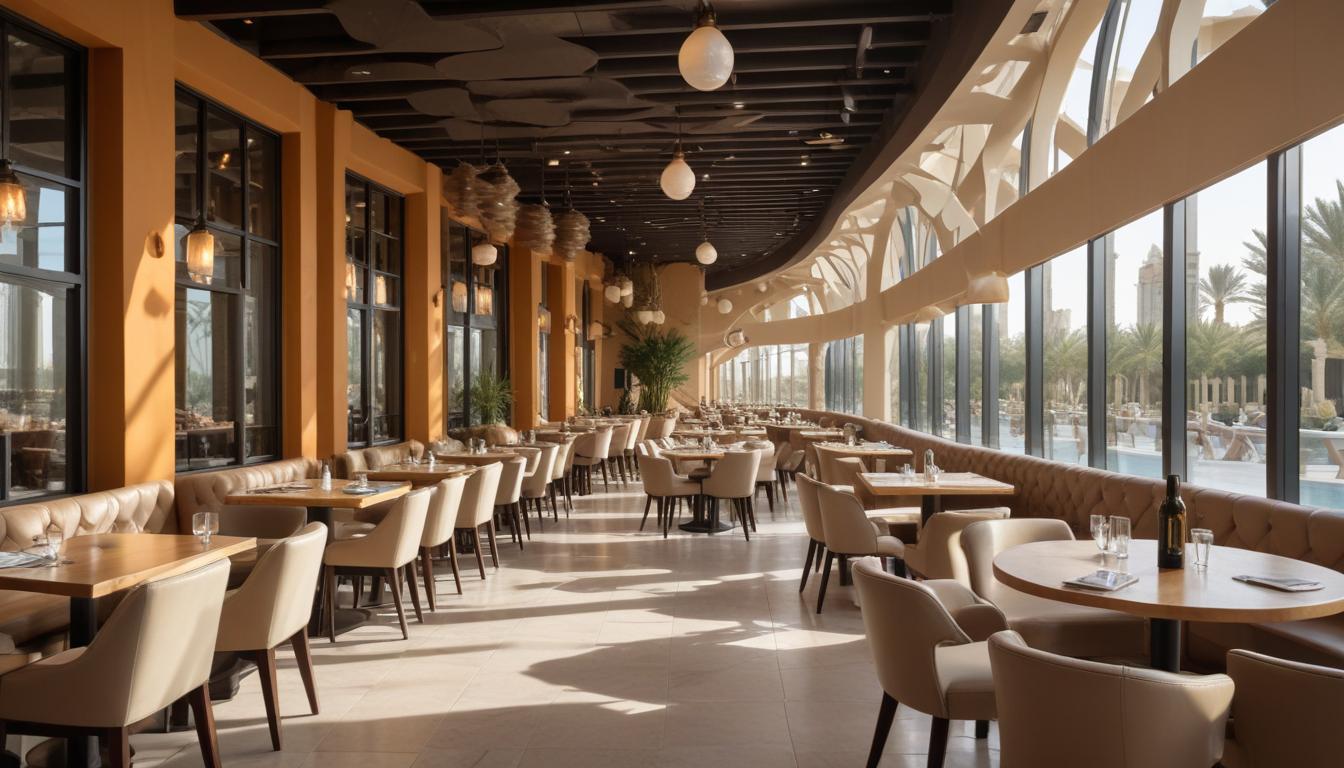
Walk along the newly renovated stretches of Beach Road, and you'll find an entirely different dining and retail landscape emerging. The previous concentration of international chains has given way to independent cafés, boutique fitness studios, and niche retailers catering to increasingly diverse expat populations. The opening of smaller wellness spaces and co-working hubs along Jumeirah Road reflects a neighbourhood no longer defined solely by traditional corporate expat families.
Schools remain a cornerstone—Dubai International School, JESS, and others continue to draw families—but even here, flexibility is increasing. The neighbourhood is attracting remote workers, entrepreneurs, and creative professionals who previously might have chosen Downtown Dubai or Dubai Marina for their urban efficiency. This diversity is fundamentally altering Jumeirah's character from a neighbourhood of established corporations and their families to something more eclectic.
For newcomers, this evolution presents both opportunity and complexity. The neighbourhood remains safe, well-maintained, and exceptionally liveable, but it's no longer a straightforward choice. First-time expat renters now face genuine options: villa living at premium prices, emerging townhouse communities at competitive rates, or apartments in newer developments that blend Jumeirah's exclusivity with urban convenience.
The real estate dynamics tell the story most clearly. While villa prices have remained stable, newer developments have absorbed much of the demand for younger, more mobile professionals. Meanwhile, traditional villa landlords are increasingly investing in upkeep and modernisation—acknowledging that Jumeirah's appeal now depends on actively competing with newer neighbourhoods rather than resting on historical prestige.
For expats relocating to Dubai in 2026, Jumeirah deserves fresh eyes. It remains exceptional, but understanding its transformation—from exclusive expat enclave to genuinely mixed neighbourhood—is essential to determining whether it's truly the right fit.
This article was compiled by AI from the sources linked above and screened before publishing. See our editorial standards.