Your Complete Commute Guide: How Dubai Residents Are Mastering the City's Transport Networks
From the Red Line to water taxis, here's everything you need to know to move seamlessly across the emirate and unlock its hidden gems.
From the Red Line to water taxis, here's everything you need to know to move seamlessly across the emirate and unlock its hidden gems.
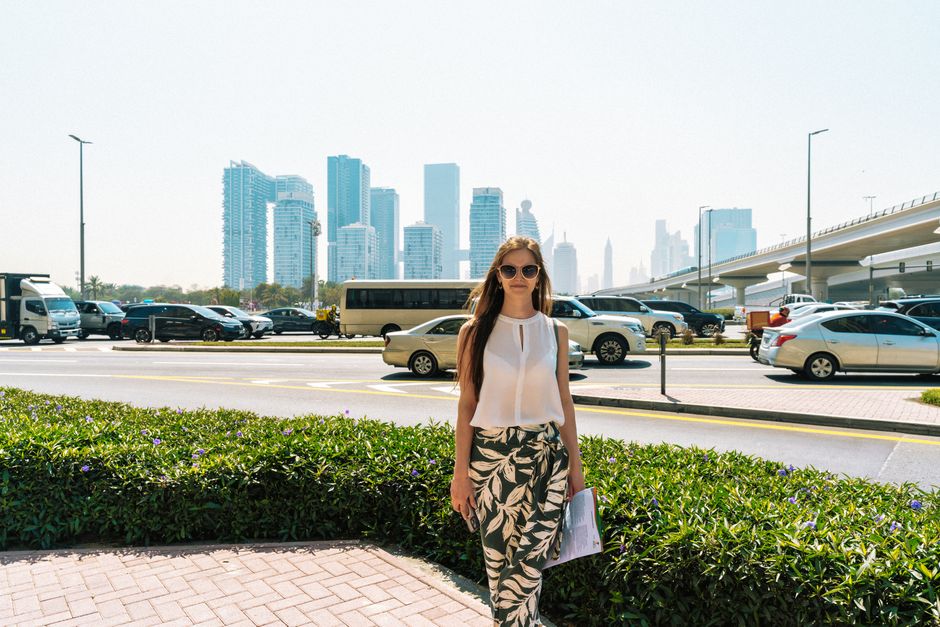
Dubai's transport ecosystem has evolved dramatically over the past five years, transforming how residents navigate one of the world's most dynamic cities. Whether you're commuting to Business Bay, exploring the cultural treasures of Al Fahidi, or heading to beach clubs in Jumeirah, understanding your options is key to maximising your time here.
The Dubai Metro remains the backbone of urban mobility. The Red Line connects Rashidiya in the south to Jebel Ali in the north, while the Green Line links Etisalat to Creek Harbour. A Nol card—available at any metro station for Dh25 (with stored value starting from Dh10)—gets you moving. Single journeys typically cost Dh2.50 to Dh4.50 depending on distance. Peak hours (7-9am and 5-7pm weekdays) mean packed carriages, so consider off-peak travel if your schedule allows.
But the metro tells only part of the story. The Roads and Transport Authority (RTA) operates an extensive bus network covering 140 routes across the emirate. The E19 and E20 express buses from Downtown Dubai to Business Bay have proven game-changers for office workers, while coastal routes like the C13 offer scenic alternatives. A 10-journey ticket costs Dh23.
For those craving something different, Dubai's water taxi network is underutilised by many residents. The RTA operates routes along Dubai Creek, including services from Bur Dubai to Deira, at just Dh4 per journey. It's slower than the metro but infinitely more atmospheric—perfect for weekend explorations of the souks.
Ride-hailing services like Uber and Careem remain popular despite premium pricing, particularly during rush hours. Expect Dh25-Dh50 for short journeys, rising sharply when surge pricing kicks in. Off-peak evening rides tend to be cheaper.
For longer distances, the Strategic Transport Plan has expanded suburban connectivity. If you're living in Dubailand or Arabian Ranches, newer routes now service these areas more reliably than in previous years. The Dh100 monthly pass remains excellent value for regular commuters.
Cycling infrastructure is improving too. The 85km Dubai Cycle Track network spans from Mushrif National Park to the Burj Khalifa vicinity. Monthly memberships for bike-share schemes hover around Dh50.
The real art of Dubai commuting lies in layering these options. Combine a metro ride to Mall of the Emirates with a water taxi back to Downtown Dubai, or use express buses for weekday work journeys and ride-hailing for weekend social plans. The key is experimentation—try different routes during off-peak hours to discover which combination suits your lifestyle. Dubai's sprawling geography rewards strategic planning, but those who master their commute unlock a city that flows far more smoothly than most outsiders realise.
This article was compiled by AI from the sources linked above and screened before publishing. See our editorial standards.
How does this story make you feel?
Spread the word
About this article
Published by The Daily Dubai
Daily brief
Free, in your inbox before 7am. Weekdays.
More in lifestyle