Beyond the Price Tag: How Dubai's Markets Reveal the Soul of Their Neighbourhoods
From the Gold Souk's whispered negotiations to Al Fahidi's vintage treasures, Dubai's shopping districts are living portraits of community identity.
From the Gold Souk's whispered negotiations to Al Fahidi's vintage treasures, Dubai's shopping districts are living portraits of community identity.
Walk into the Gold Souk on any weekday morning and you'll witness something that no mall's climate control can replicate: the rhythmic pulse of a neighbourhood at work. Merchants adjust their displays with practiced efficiency, the air thick with the scent of cardamom coffee and polished gold, while regulars—many returning for decades—conduct business with handshakes and mutual trust. This isn't shopping; it's a cultural institution that anchors Old Dubai's identity.
The souk's 300-plus retailers generate roughly AED 2 billion annually, yet what strikes visitors most isn't the volume but the intimacy. Shop owners know their customers' preferences, their budgets, their occasions. A bride returning for her engagement bracelet becomes part of the family narrative. This human dimension—increasingly rare in Dubai's retail landscape—defines neighbourhood character in ways that branded retail cannot.
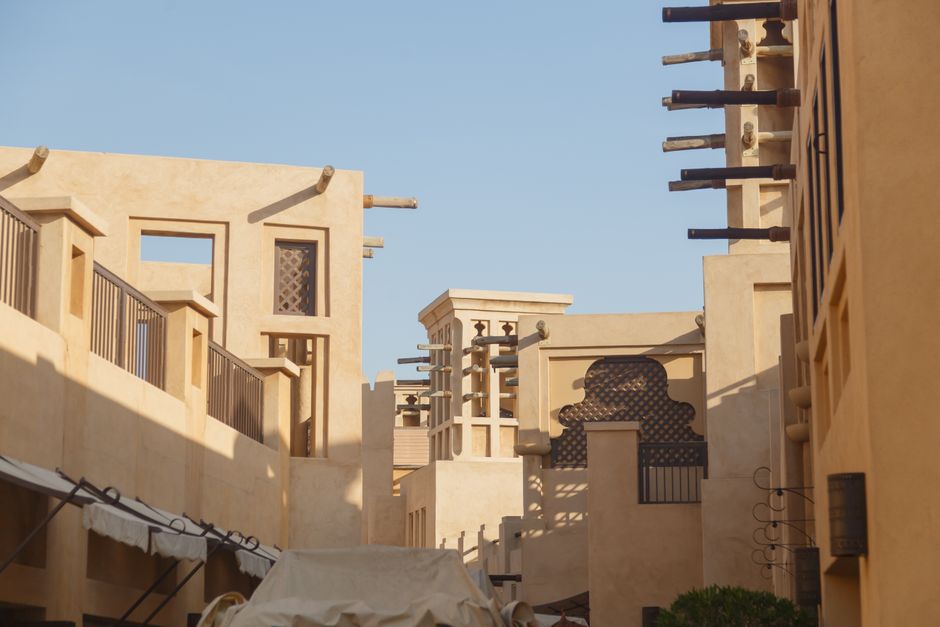
Travel south to Al Fahidi Historical District, where independent boutiques and vintage curators have quietly transformed narrow lanes into a creative hub. Small galleries and concept shops occupy heritage buildings, drawing a different crowd: design students, expatriate collectors, locals seeking authenticity. Prices here reflect scarcity rather than volume—a vintage Emirati brass coffee set might cost AED 450, but its story justifies the premium.
Meanwhile, Deira's spice merchants along Sikkat Al Khaleej maintain traditions that predate the modern emirate. Saffron, oud, and cardamom are weighed on brass scales, discussed with the gravity of fine wine. The neighbourhood's multicultural merchant class—Indian, Iranian, Pakistani, Emirati—creates a cosmopolitan energy that feels organic rather than curated.
What binds these spaces is their resistance to homogenization. While Dubai's mega-malls offer efficiency and climate comfort, neighbourhood markets offer context. They tell stories about Dubai's history, its trading heritage, and the communities who've built its identity brick by brick.
The retail landscape has shifted dramatically in two decades—online shopping claimed an estimated 15-20% market share pre-pandemic, and Dubai's e-commerce continues growing. Yet these traditional markets haven't disappeared. Instead, they've become more precious, anchoring neighbourhoods against the relentless push toward digital transactions and standardized experiences.
This summer, before the heat drives everyone indoors, venture beyond the familiar mall corridors. The real Dubai—the one defined by neighbourhood character, generational knowledge, and human connection—is waiting in the souks, the vintage shops, and the spice merchants' stalls. That's where you'll find not just products, but purpose.
This article was compiled by AI from the sources linked above and screened before publishing. See our editorial standards.
How does this story make you feel?
Spread the word
About this article
Published by The Daily Dubai
Daily brief
Free, in your inbox before 7am. Weekdays.
More in lifestyle