Al Barsha's Quiet Transformation: How Dubai's Most Underrated Neighbourhood is Reinventing Itself
Once dismissed as a transit zone, this central community is emerging as the city's most authentic expat haven—and savvy newcomers are taking notice.
Once dismissed as a transit zone, this central community is emerging as the city's most authentic expat haven—and savvy newcomers are taking notice.
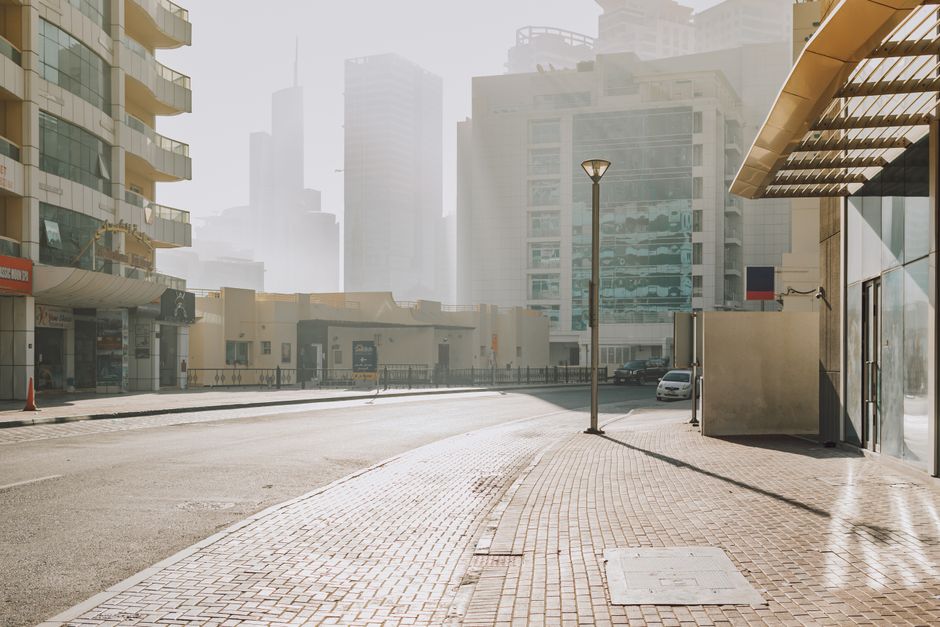
Five years ago, Al Barsha was the neighbourhood people drove through, not to. Wedged between the gleaming towers of Business Bay and the villa enclaves of Arabian Ranches, this mid-size residential pocket earned a reputation as purely functional: affordable housing, convenient location, nothing more. But today's Al Barsha tells a different story—one that's reshaping how newcomers think about settling in Dubai.
The shift has been subtle but unmistakable. Walk along Sheikh Zayed Road's border with Al Barsha, or venture into the quieter stretches around Al Barsha 1 and 2, and you'll notice a neighbourhood shedding its anonymous past. Two-bedroom apartments that once rented for AED 55,000 annually now command AED 68,000–75,000, according to recent market data—a reflection of genuine demand rather than speculative hype. Residents aren't being priced out; they're being joined by professionals seeking substance over status symbols.
The catalyst? A genuine community ecosystem emerging where none existed before. The newly expanded Al Barsha Mall has moved beyond basic retail. Independent cafés have sprouted along internal streets, creating the kind of incidental social spaces that international arrivals crave. A growing cluster of wellness practitioners—physiotherapists, nutritionists, mental health counsellors—now operates from converted villa spaces, addressing a gap long-neglected in Dubai's lifestyle infrastructure. Local schools including Al Barsha Primary and various international options have improved their facilities significantly, transforming family calculus for parents deciding where to land.
More telling is the cultural diversification. Al Barsha's demographics are shifting from predominantly South Asian to a far more balanced international mix—Europeans, Americans, and professionals from Gulf states increasingly view it as sensible rather than second-choice. This mix has sparked organic dining diversity: Filipino breakfast spots, Turkish bakeries, Lebanese restaurants, and craft-conscious coffee roasters now operate alongside established Indian establishments, creating genuine neighbourhood character rather than fragmented immigrant enclaves.
For newcomers arriving in 2026, the appeal is clear. Al Barsha offers proximity to Dubai's economic core—a 15-minute drive to Downtown or Business Bay—without the premium prices or transient feel of those areas. It's affordable enough to allow for exploration and mistake-making, yet connected enough that relocation doesn't feel isolating. The metro accessibility has improved, and internal infrastructure development continues steadily.
This isn't gentrification in the traditional sense. Al Barsha is simply becoming what Dubai's earliest planners intended: a liveable neighbourhood where people actually choose to stay, not merely camp between flights home.
This article was compiled by AI from the sources linked above and screened before publishing. See our editorial standards.
How does this story make you feel?
Spread the word
About this article
Published by The Daily Dubai
Daily brief
Free, in your inbox before 7am. Weekdays.
More in lifestyle