The Dubai Commute Just Got Better: Here's What's Changed and Why Residents Are Celebrating
From expanded metro lines to smarter traffic systems, getting around the emirate has become faster, cheaper, and far less frustrating.
From expanded metro lines to smarter traffic systems, getting around the emirate has become faster, cheaper, and far less frustrating.
For years, the Dubai commute was a rite of passage—an unpredictable blend of gridlock on Sheikh Zayed Road and the constant search for parking. But 2026 has marked a turning point, and locals are noticing. The latest infrastructure upgrades and transport innovations have fundamentally shifted how residents move through the city, making daily journeys less draining and surprisingly more affordable.
The most visible change is the expansion of the Red Line extension, which now connects directly into Downtown Dubai with three new stations, including one serving the Burj Khalifa precinct. What this means in practice: residents commuting from Jebel Ali or further south no longer face the transfer hassle at Rashidiya. A journey that once consumed 90 minutes now takes roughly 50. At AED 2.50 for a standard fare, the economics have shifted dramatically in public transport's favour.
But it's not just the metro. The Roads and Transport Authority has rolled out its AI-powered traffic management system across Business Bay and the Sheikh Zayed Road corridor. The result feels almost magical to those who've endured peak-hour crawls for decades: adaptive traffic lights that respond in real-time to congestion patterns. Early data suggests average commute times have dropped by 18 per cent during rush hours.
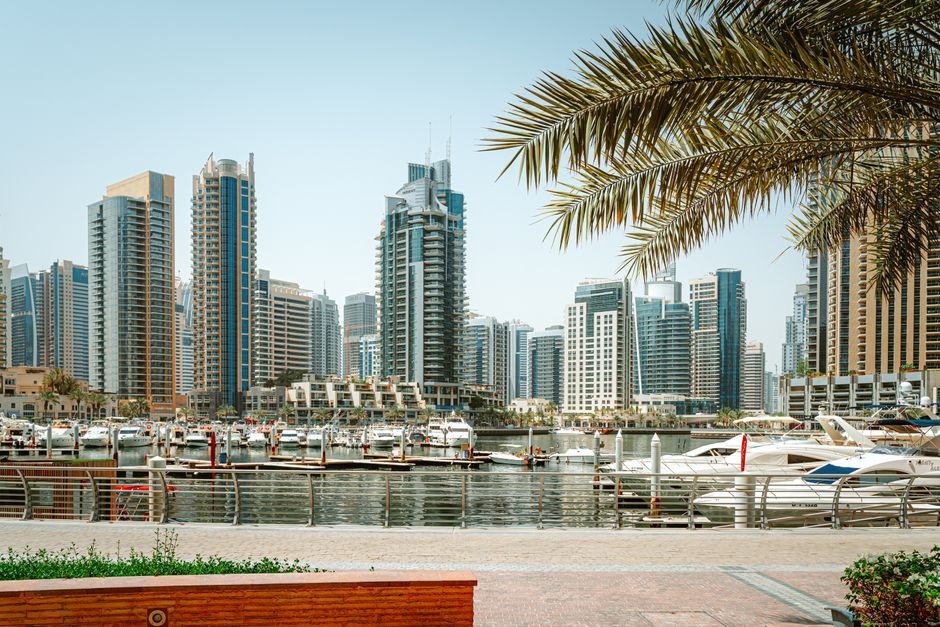
The real game-changer for many, though, is the Nol card integration expansion. Residents can now use a single card across metro, bus, and the newly expanded water taxi network—which now includes a direct route between Marina and Downtown. For professionals working between these districts, the water route has become a preferred option, offering both speed and the psychological relief of skipping traffic entirely.
Cycle infrastructure has also matured. The newly completed Al Khawaneej to Creek Harbour cycling path has drawn unexpected enthusiasm, particularly among younger professionals seeking eco-conscious alternatives. It's not yet mainstream, but it's changing perceptions about viable commuting options in a city long defined by car culture.
Perhaps most significantly, the introduction of flexible work policies across major corporate hubs—from DIFC to Dubai Silicon Oasis—has meant that not everyone needs to be on the road during traditional rush hours anymore. The cumulative effect of staggered schedules, working-from-home options, and improved transport capacity has created breathing room in the system.
The Dubai commute remains a defining experience, but it's finally shed its reputation as pure punishment. For a city built on movement, recent changes have made that movement feel intentional rather than chaotic.
This article was compiled by AI from the sources linked above and screened before publishing. See our editorial standards.
How does this story make you feel?
Spread the word
About this article
Published by The Daily Dubai
Daily brief
Free, in your inbox before 7am. Weekdays.
More in lifestyle