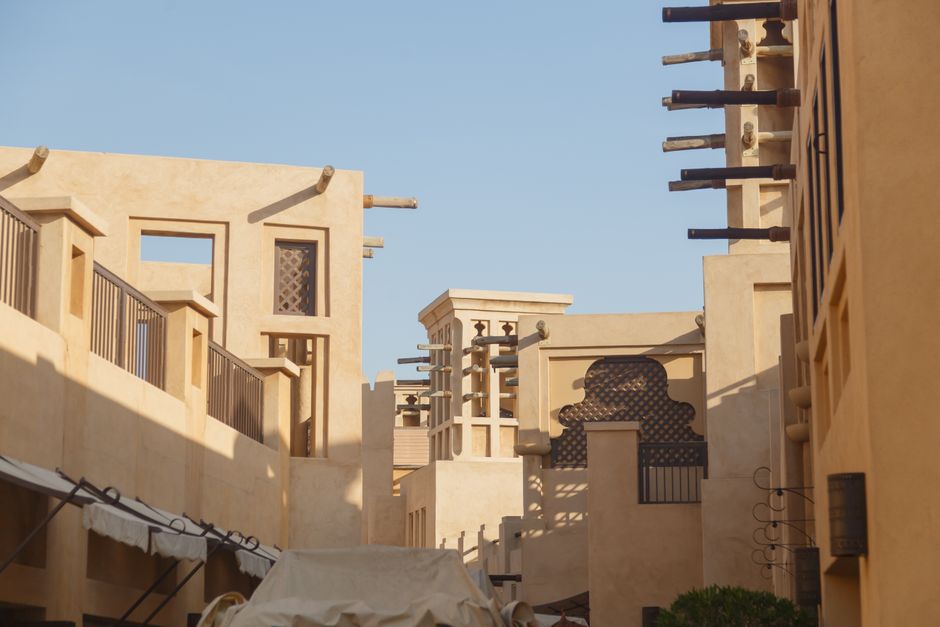
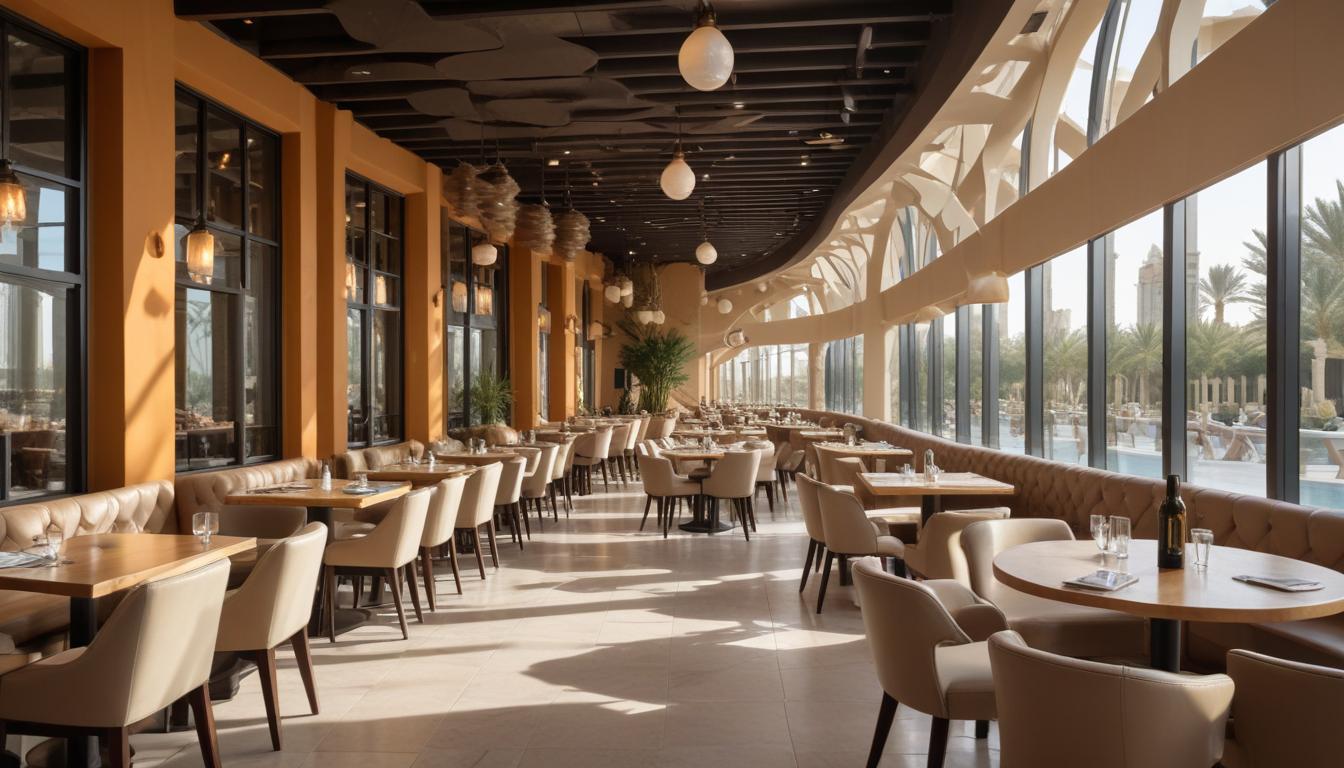
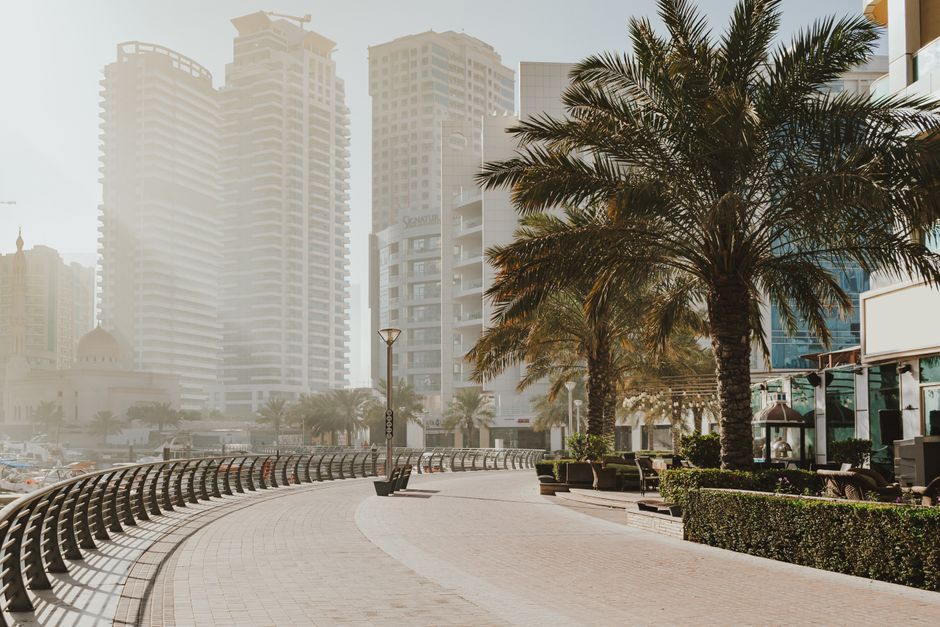
Al Wasl has always occupied an odd position in Dubai's mental map. Sandwiched between the premium addresses of Arabian Ranches to the west and the commercial sprawl of Sheikh Zayed Road to the east, it's rarely mentioned in the same breath as JBR's beach promenade or Downtown's skyline drama. Yet something fundamental is shifting in this neighbourhood, and those paying attention are witnessing a quiet but unmistakable transformation.
For years, Al Wasl remained primarily residential—villa compounds and apartment blocks catering to families seeking proximity to good schools without the premium price tags of Jumeirah or Arabian Ranches. But over the past 18 months, the neighbourhood has begun nurturing a distinct community character that appeals beyond the purely transactional appeal of square footage.
The catalyst? Independent retail and hospitality ventures establishing roots along Al Wasl Road and the side streets branching toward Al Manara. Where chain cafés once dominated, locally-owned coffee roasters and concept restaurants are gaining traction. Coworking spaces designed for entrepreneurs have opened in converted villas, challenging the assumption that professionals must base themselves in Business Bay or DIFC. A nascent arts scene has emerged, with pop-up galleries and small creative studios occupying ground floors that previously sat vacant.
Property data reflects this momentum. Al Wasl apartment rentals have appreciated approximately 8-12 per cent annually since 2024, outpacing broader market growth, while remaining substantially more accessible than neighbouring areas—one-bedroom apartments averaging around AED 50,000-65,000 annually compared to AED 80,000+ in Arabian Ranches.
The neighbourhood's evolution also reflects broader demographic shifts in Dubai. Young professionals and startup founders increasingly prioritise walkability and community over size and status symbols. Al Wasl's compact, navigable layout, combined with reasonable rents and emerging dining scenes, has made it unexpectedly desirable for this constituency.
Schools remain a draw—both Al Khaleej National School and other quality institutions continue attracting families—but the neighbourhood is no longer defined solely by education access. Residents now cite the emerging café culture, weekend street-level activity, and emerging sense of local identity as primary reasons for choosing Al Wasl.
This evolution presents both opportunity and risk. Gentrification pressures are inevitable as the neighbourhood becomes fashionable, potentially pricing out the very families who established its initial character. Yet for now, Al Wasl occupies a rare sweet spot: authentic community development without the self-conscious trendiness that's sometimes suffocated other Dubai neighbourhoods. For those seeking genuine neighbourhood life rather than a lifestyle brand, that distinction matters.
This article was compiled by AI from the sources linked above and screened before publishing. See our editorial standards.