Why Dubai's Transport Revolution Sets It Apart From Every Other Global City
From driverless metros to app-controlled water taxis, Dubai has reimagined urban mobility in ways that leave London, New York and Singapore playing catch-up.
From driverless metros to app-controlled water taxis, Dubai has reimagined urban mobility in ways that leave London, New York and Singapore playing catch-up.
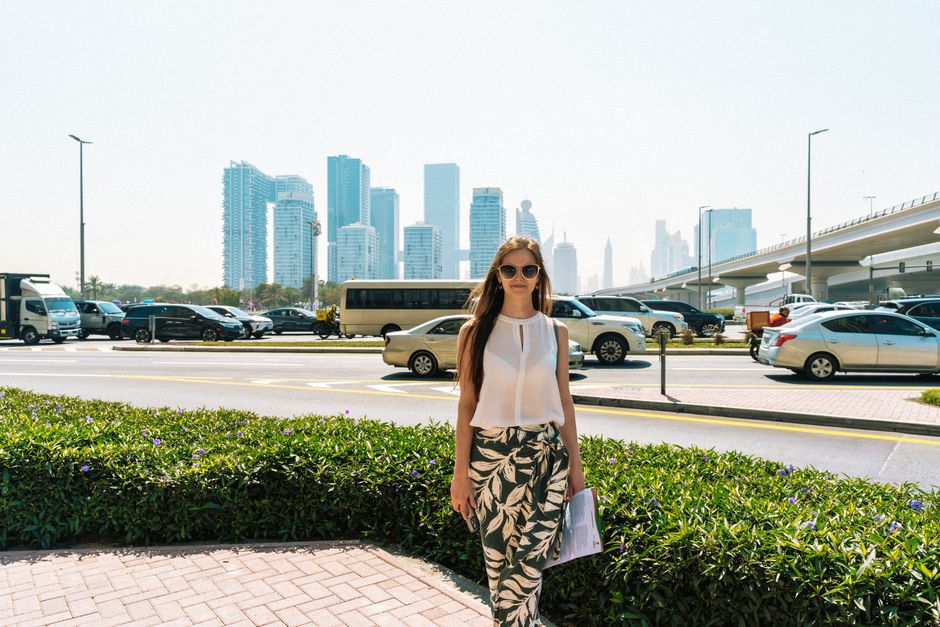
Getting around Dubai in 2026 feels like stepping into a future that other world cities are still planning for. While commuters in London queue for the Underground and New Yorkers navigate subway delays, Dubai residents glide through the city on a metro system that operates with almost science-fiction efficiency—and without a single driver in the cabin since the Red Line went fully autonomous in 2024.
The Dubai Metro, which spans 84 kilometres across two lines, remains the world's longest driverless urban railway. But what truly sets this city apart isn't just the technology; it's the ecosystem built around movement itself. The Nol card—your single access point to metro, bus, water taxi and beach transport—eliminates the fragmented payment systems that plague cities like Tokyo or Paris. Swipe once, travel anywhere.
Consider the journey from Business Bay to Palm Jumeirah. In most cities, this 20-kilometre commute would demand multiple transport modes and payment methods. In Dubai, you board the driverless metro at ADCB Station, transfer seamlessly to a water taxi at Al Seef, and arrive at Palm Central within 45 minutes. The water taxi service—once a novelty—now moves thousands daily at AED 15 per journey, a fraction of a taxi ride.
The integration extends beyond traditional transport. Hala, the RTA's ride-hailing platform, competes directly with Uber and Careem while maintaining integration with public transit data. Book a Hala ride from Downtown Dubai to Dubai Marina, and the app shows you arrival time, live traffic, and automatically calculates your carbon footprint—transparency that New York's yellow cabs still don't offer.
Yet Dubai's transport story isn't solely about cutting-edge metros. The city has mastered the unglamorous work of suburban connectivity. The F1 bus route running down Sheikh Zayed Road carries more passengers monthly than many European cities' entire transit systems. Real-time GPS tracking on buses—standard here since 2018—remains a premium feature elsewhere.
Perhaps most uniquely, Dubai has embraced multimodal planning without the decades of legacy infrastructure baggage that constrains European cities. When London debates converting bus routes, Dubai simply launches new services. When Tokyo struggles with aging infrastructure, Dubai's 15-year-old metro still operates at design capacity.
The result? Residents spend an average of 45 minutes daily commuting—below the global average of 48 minutes, according to 2025 data. In cities like Bangkok or Cairo, that figure stretches beyond 70 minutes. Dubai's transport revolution didn't happen overnight, but it happened unencumbered. That's what truly makes it unique.
This article was compiled by AI from the sources linked above and screened before publishing. See our editorial standards.
How does this story make you feel?
Spread the word
About this article
Published by The Daily Dubai
Daily brief
Free, in your inbox before 7am. Weekdays.
More in lifestyle