The Faces Behind Every Find: Meet the Merchants Making Dubai's Markets Magic
From Al Fahidi to the Gold Souk, the real treasure isn't what you buy—it's who you meet along the way.
From Al Fahidi to the Gold Souk, the real treasure isn't what you buy—it's who you meet along the way.
Walk through the narrow lanes of the Gold Souk on any Tuesday morning, and you'll find Rajesh Patel doing what he's done for thirty-two years: polishing intricate bangles under soft golden light. He's one of thousands of independent retailers who form the beating heart of Dubai's retail soul, operating in spaces where family legacy and personal connection still matter more than algorithms.
Dubai's shopping narrative has long been dominated by gleaming malls and flagship stores. Yet beneath that polished surface thrives a different economy entirely—one built on relationships, expertise, and stories. In the spice markets of Deira, vendors like these maintain family recipes for custom blends passed down through generations. At the textile stalls clustered around Naif Road, merchants remember their regular customers' preferences without taking notes. These aren't transactions; they're conversations.
The demographic shift in Dubai's retail sector reflects broader changes in the emirate itself. According to recent retail surveys, independent merchants now represent approximately 34 percent of Dubai's retail footprint, with the highest concentration in heritage districts like Al Fahidi Historical District and around the Creek. Many arrived decades ago with nothing but determination—Indian, Pakistani, Iranian, and Emirati traders who built networks that now employ thousands.
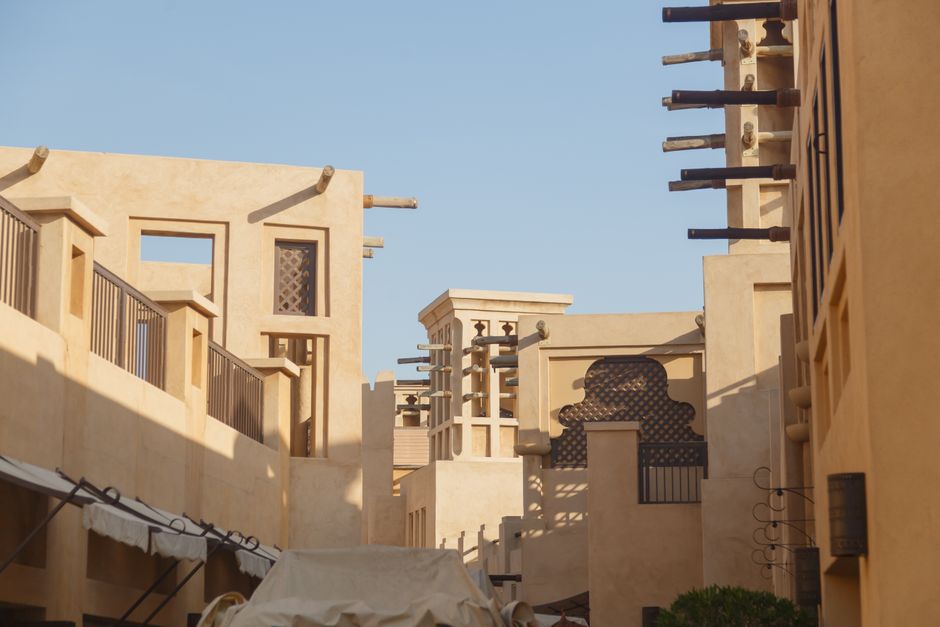
Take the textile traders of Souk Madinat Jumeirah, where younger retailers are increasingly blending heritage with innovation. They're hosting Instagram-worthy trunk shows, offering personalized styling consultations, and curating collections that tell stories of their communities. Prices remain competitive—a premium abaya runs 150-400 AED depending on embroidery—but the experience transcends commerce.
What makes these spaces genuinely special is the unscripted human element. A regular customer at a perfume stall in Bur Dubai might receive a complimentary consultation on fragrance layering. A jewelry merchant remembers your sister's wedding date and sets aside pieces accordingly. These gestures cost nothing yet generate extraordinary loyalty.
Recent initiatives by Dubai's Department of Economy and Tourism have recognized this value, supporting heritage retail clusters through preservation programs and cultural events. The annual Souk Al Khaleej festival draws thousands seeking authentic encounters, not just merchandise.
For visitors and residents alike, the real luxury of Dubai's markets isn't the goods on display—it's access to people who genuinely know their craft and care about their customers. In an increasingly digital world, that human dimension has become the most valuable commodity of all.
This article was compiled by AI from the sources linked above and screened before publishing. See our editorial standards.
How does this story make you feel?
Spread the word
About this article
Published by The Daily Dubai
Daily brief
Free, in your inbox before 7am. Weekdays.
More in lifestyle