Dubai's Transport Revolution: How Decades of Planning Led to Today's Mega-Projects
From the vision of the 1990s to today's gleaming metro lines and hyperloop corridors, Dubai's infrastructure ambitions reflect a city constantly reinventing itself.
From the vision of the 1990s to today's gleaming metro lines and hyperloop corridors, Dubai's infrastructure ambitions reflect a city constantly reinventing itself.
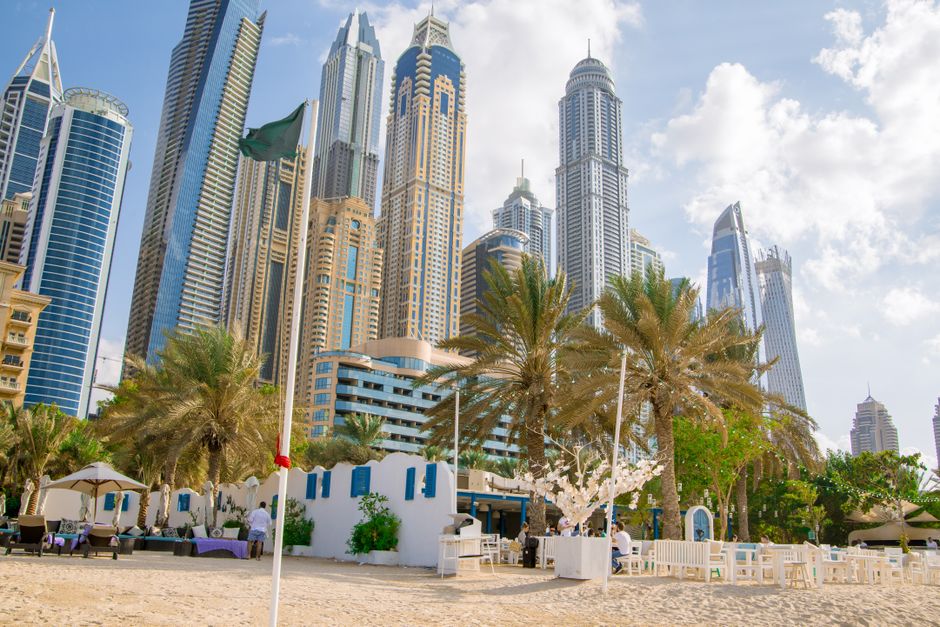
Walking through Downtown Dubai or Deira today, it's easy to overlook the infrastructure beneath our feet—the carefully orchestrated network of roads, railways, and utilities that transformed a coastal trading port into a global metropolis. But understanding how we arrived at this moment of transport revolution requires looking back at three decades of deliberate, sometimes audacious planning.
In the early 1990s, Dubai faced a critical juncture. Oil reserves were finite, and visionary leaders recognised that sustainable growth demanded radical infrastructure investment. The Sheikh Zayed Road corridor became the arterial spine, connecting downtown to outlying developments like Jumeirah and the emerging Business Bay. Today, that same road carries over 300,000 vehicles daily—a testament to how prescient those initial planners were, even if congestion now tests that foresight.
The Dubai Metro's first phase, launched in 2009, represented the city's boldest commitment yet to mass transit. The Red and Green lines cost approximately AED 40 billion combined, a staggering investment that reflected leadership's determination to move beyond car dependency. Those twin elevated tracks snaking from Rashidiya to Jebel Ali weren't accidental—they followed decades of traffic studies and population forecasting that proved remarkably accurate.
What's often forgotten is how these projects required wholesale reimagining of established neighbourhoods. Bur Dubai and Deira, historic commercial cores, absorbed significant disruption during metro construction. Al Rigga Street, once the heartbeat of the spice and gold trade, underwent complete reorganisation. The disruption was real, the inconvenience genuine—yet it enabled the connectivity that now defines those areas' continued vitality.
The Expo 2020 campus, which concluded just eighteen months ago, accelerated infrastructure thinking further. The Expo Express monorail connecting Jebel Ali to Downtown wasn't merely an event-specific amenity; it demonstrated viable first-mile, last-mile solutions that planners are now scaling across the emirate. Those six months of operational data proved invaluable.
Today's projects—the proposed Hyperloop corridor toward Abu Dhabi, the expanded metro network reaching far into peripheral communities like Sobhi Al Omari and the reborn Deira waterfront district—didn't emerge from vacuum. They're iterations built on lessons learned: from the metro's 2009 launch, from Expo's operational models, from decades of observing how people actually move through this city.
Dubai's infrastructure story isn't one of sudden ambition. It's a narrative of accumulated wisdom, course corrections, and calculated risk-taking across generations of stewardship.
This article was compiled by AI from the sources linked above and screened before publishing. See our editorial standards.
How does this story make you feel?
Spread the word
About this article
Published by The Daily Dubai
Daily brief
Free, in your inbox before 7am. Weekdays.
More in News