Dubai's housing crisis: How the emirate stacks up ...
As rents climb sharply across the city, we examine whether Dubai's approach to supply and regulation differs meaningfully from New York, London, and Singapore.
As rents climb sharply across the city, we examine whether Dubai's approach to supply and regulation differs meaningfully from New York, London, and Singapore.
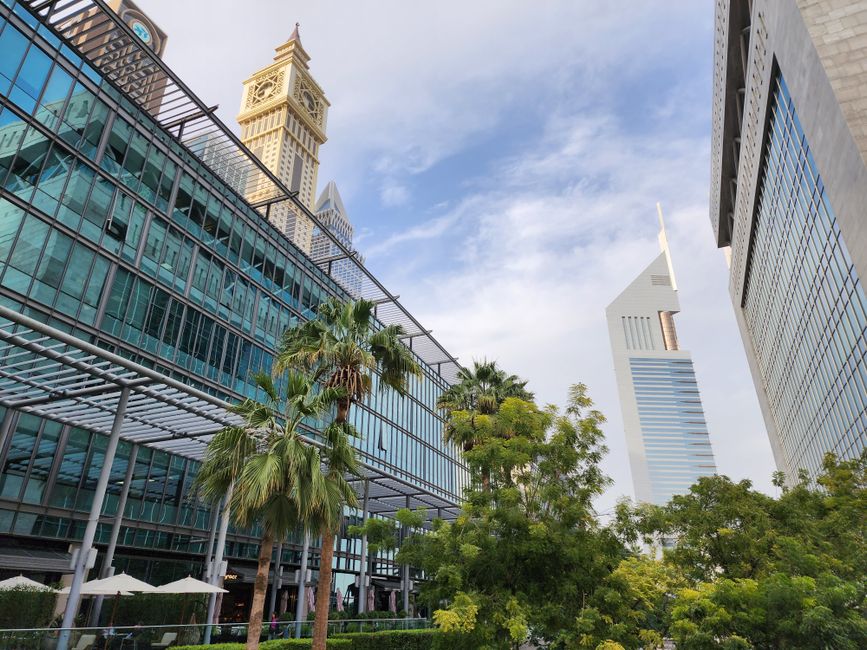
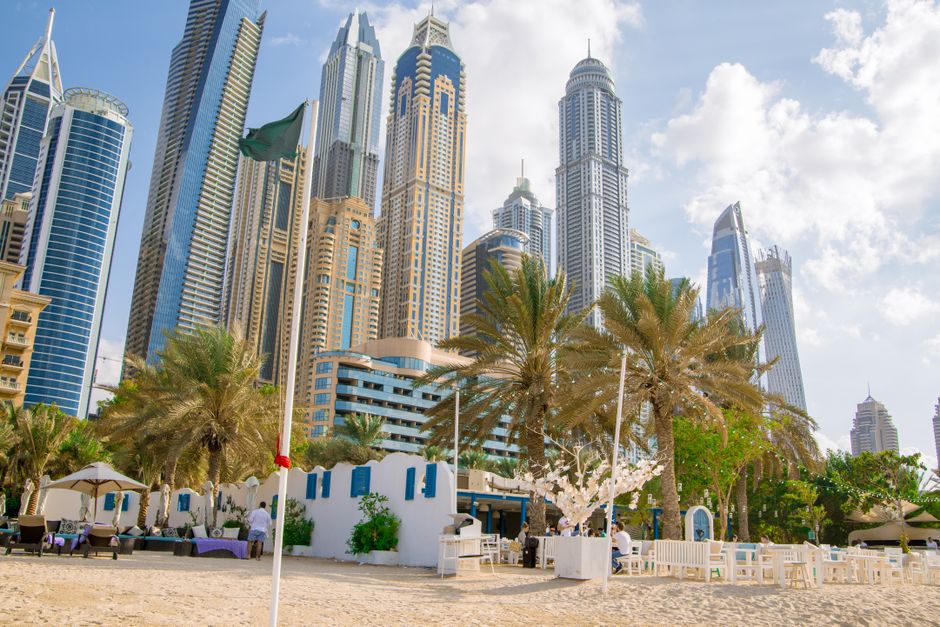
Dubai's rental market has become a weekly talking point in office lobbies from Downtown to Dubai Marina, with studio apartments in Business Bay now commanding 50,000 to 65,000 dirhams annually—a 12 per cent year-on-year jump. The question troubling residents and policymakers alike: is the emirate handling this differently than comparable global cities facing identical pressures?
Unlike London, where government intervention through the levelling-up agenda includes affordable housing mandates on new developments, Dubai has historically relied on market forces. The Real Estate Regulatory Agency (RERA) introduced rent increase caps of 5 per cent in 2020 following tenant complaints, but enforcement remains patchy. Compare this to Singapore's Housing and Development Board, which directly builds and manages 80 per cent of the island-state's housing stock. Dubai's approach—incentivising private developers through generous plot allocations in emerging areas like Dubai South and Jumeirah Village Circle—mirrors New York's reliance on zoning rather than public construction.
The results are mixed. New supply in JVC and Arabian Ranches 3 has absorbed some demand, keeping prices there relatively stable at 35,000 to 45,000 dirhams for comparable units. Yet demand continues outpacing delivery. The Emirates Real Estate Association reported 28,000 new units completed in 2025, against estimated demand for 35,000 annually. New York faces a similar shortage—the city needs 500,000 new units over the next decade but completes around 20,000 yearly.
Where Dubai diverges notably is transparency. RERA's online portal provides granular data on transaction prices and rental rates by neighbourhood, giving residents unprecedented visibility. Singapore offers comparable transparency; London's market remains more opaque, with no unified public database of rental transactions.
Yet affordability remains the stubborn variable. A one-bedroom apartment in Dubai Marina costs roughly 80,000 dirhams annually—comparable to Manhattan or Mayfair, but earned by professionals in a city where salary brackets span far wider. This inequality has prompted calls from housing advocates for subsidised units, an approach Singapore embedded decades ago and which London is gradually reconsidering.
Industry observers suggest Dubai's next move mirrors its neighbours: tightening zoning around transit hubs like the Etisalat Metro Station and incentivising mid-rise developments over luxury towers. Whether this occurs before summer peaks and more residents relocate to Sharjah or Al Ain—where rents remain 20 to 30 per cent lower—remains the city's defining policy question.
This article was compiled by AI from the sources linked above and screened before publishing. See our editorial standards.
How does this story make you feel?
Spread the word
About this article
Published by The Daily Dubai
Daily brief
Free, in your inbox before 7am. Weekdays.
More in News