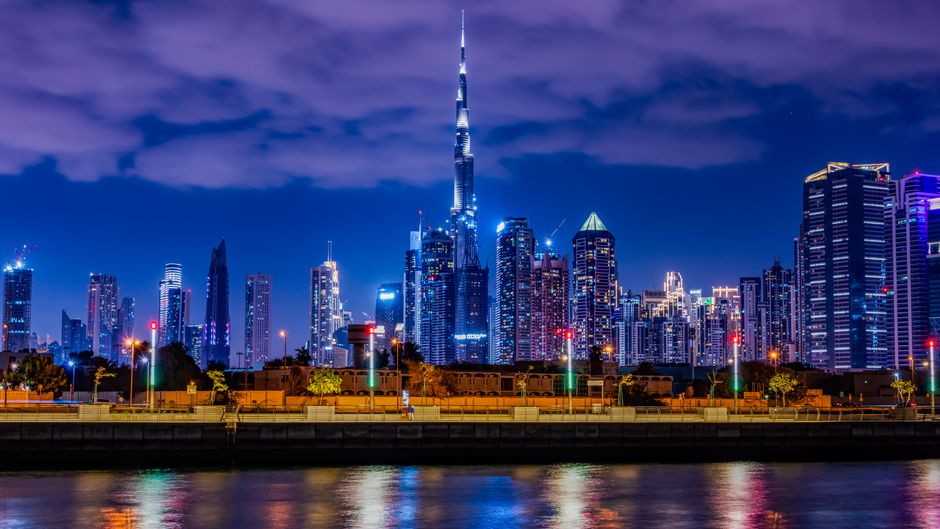
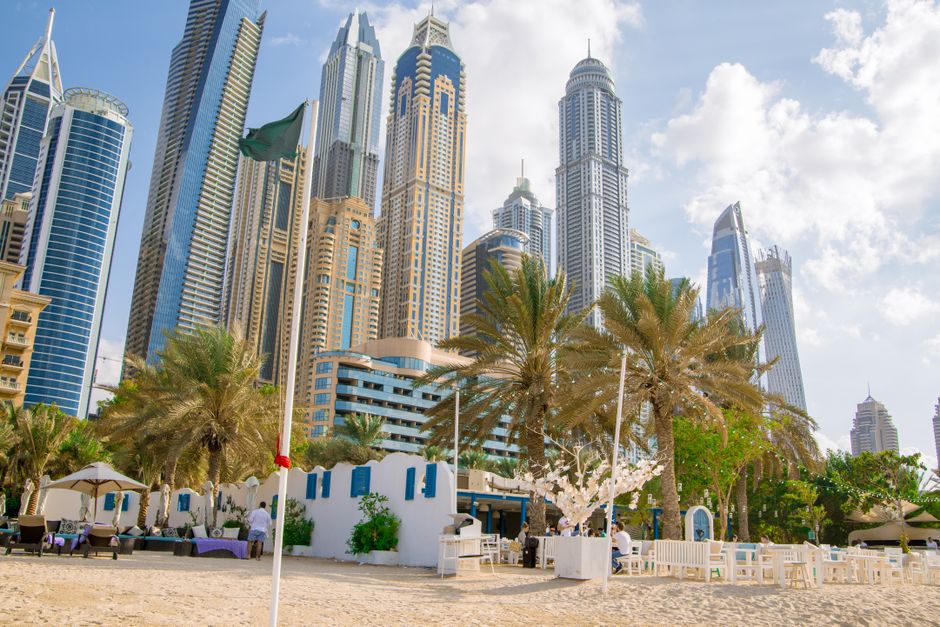
As Dubai intensifies its commitment to environmental sustainability, residents across the emirate are becoming active voices in shaping how the city tackles pressing ecological challenges. From the bustling streets of Deira to the evolving communities of Jumeirah, community members are weighing in on initiatives that directly affect their daily lives.
The issue of water conservation remains front and centre for many households. With Dubai's desalination plants producing over 140 million gallons daily, residents in areas like Al Baraha and Satwa have become increasingly conscious of consumption patterns. Local sustainability organisations report that household water awareness campaigns have gained momentum, with community feedback driving policy discussions at the emirate level. Many residents acknowledge the tension between Dubai's growth and its water resources, sparking grassroots conversations about responsibility.
Solar energy adoption presents another critical focal point. The Dubai Clean Energy Strategy 2050 aims for 75 per cent clean energy by mid-century, yet implementation at the community level reveals varied perspectives. Residents in newer developments like Arabian Ranches and Dubai Hills Estate report enthusiasm for rooftop solar installations, while those in older neighbourhoods near Bur Dubai express concerns about affordability and retrofitting challenges. Community feedback has prompted discussions about subsidised solar programmes and financing options to ensure equitable access.
Green space development has emerged as a unifying concern. The expansion of parks and public gardens—from the recently enhanced Al Safa Park to initiatives along the Dubai Creek—has sparked dialogue about urban planning priorities. Residents near Business Bay and Downtown Dubai have become vocal advocates for increased vegetation and cooling measures, citing temperature impacts on daily life and quality of leisure time.
Waste management initiatives have also captured community attention, particularly regarding plastic reduction and recycling infrastructure. Market traders in the Deira Gold Souk and residents of Port Saeed have raised practical concerns about waste collection frequency and sorting systems, pushing for more robust community recycling programmes.
What emerges from these conversations is clear: Dubai's environmental transformation isn't merely a top-down initiative. Residents—whether long-term Emiratis or expatriate families—are actively engaging with sustainability challenges, offering insights grounded in their lived experiences. Their voices are reshaping discussions around climate resilience, resource management, and the kind of city Dubai will become for future generations.
This article was compiled by AI from the sources linked above and screened before publishing. See our editorial standards.