Dubai's New Housing Zoning Laws: Why These Changes Will Reshape Life for Ordinary Residents
Revised urban planning regulations affecting everything from rent prices to community infrastructure are about to transform daily life across the emirate.
Revised urban planning regulations affecting everything from rent prices to community infrastructure are about to transform daily life across the emirate.
Dubai's Municipality has quietly rolled out significant amendments to residential zoning policies that will fundamentally alter how hundreds of thousands of residents experience their neighbourhoods over the next five years. For many, these changes represent either opportunity or upheaval—depending on where they live.
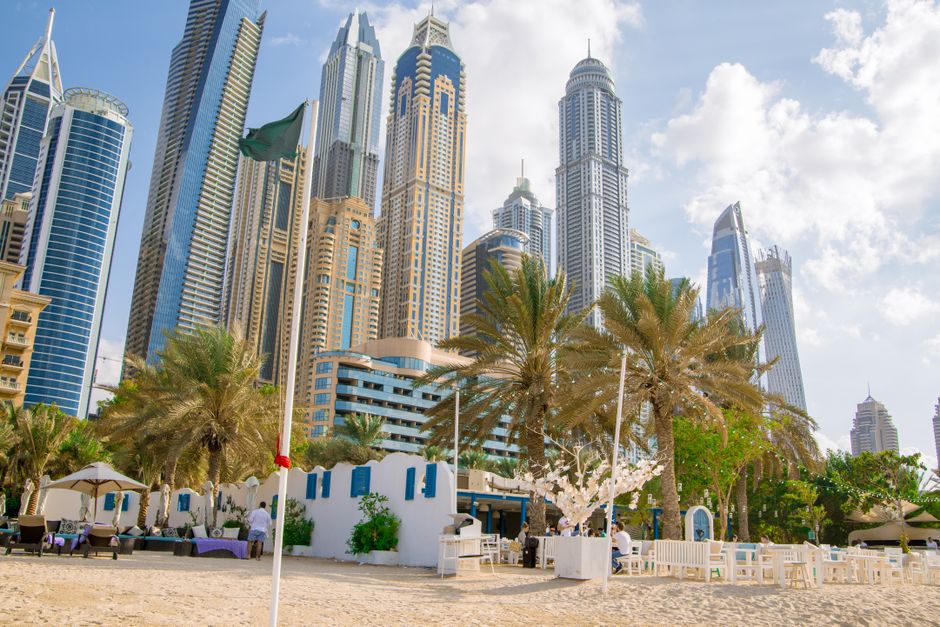
The new framework, which takes effect this quarter, adjusts density restrictions across established residential areas including Al Baraha, Karama, and Deira, while introducing stricter conservation requirements in newer developments around Dubai Marina and The Palm. The practical impact is substantial: developers will face tighter regulations on plot ratios, which directly influences housing supply and, consequently, rental costs that already consume 25-35% of household budgets for middle-income families.
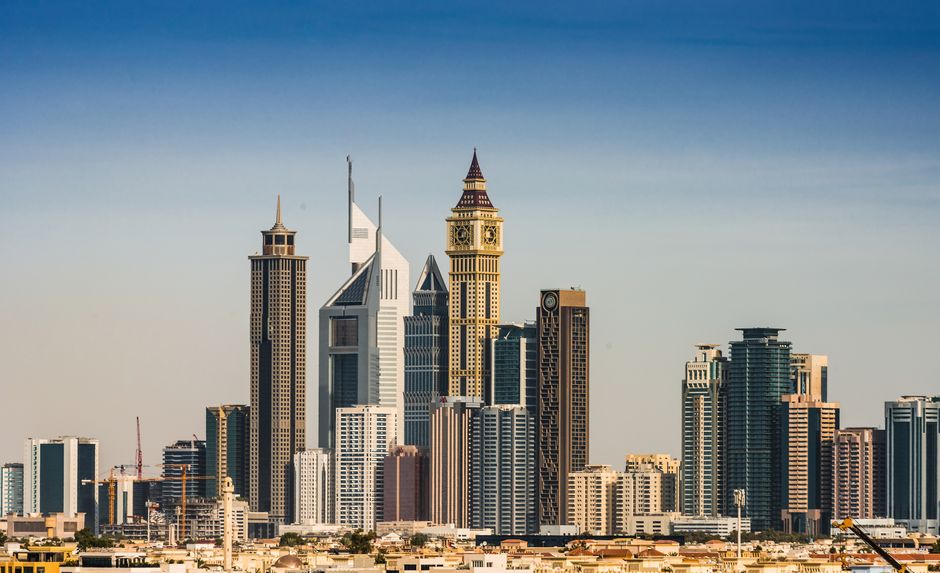
Areas like Bur Dubai and Satwa face particularly significant shifts. Restrictions on vertical development in these heritage-adjacent zones mean fewer new units can be constructed, potentially exacerbating housing scarcity in neighbourhoods popular with young professionals and families seeking affordable options. Real estate analysts project rental increases of 8-12% in these localities within 18 months, creating genuine concern for residents operating on fixed incomes.
Conversely, the policy introduces mandatory green space allocations and improved road infrastructure standards—requirements that will increase construction costs but promise better-designed communities. New communities emerging near the proposed Dubai South expansion will feature enhanced cycling paths, designated play areas, and traffic management systems absent from older developments.
The changes also mandate affordable housing quotas in developments exceeding 500 units, a measure drawing mixed responses. While housing advocates welcome protections for lower-income earners, developers warn construction timelines will extend, potentially delaying projects across Business Bay and Downtown Dubai extensions.
Community organisations like the Dubai Residents Council have requested transparent impact assessments, particularly regarding displacement risks in transitional areas. The municipality's Urban Planning Department has committed to quarterly public forums, beginning next month at the Dubai World Trade Centre, where residents can engage directly with planning officials.
What makes these regulations crucial is their intersection with daily life—commute times lengthen if infrastructure lags development, social cohesion shifts when neighbourhoods densify rapidly, and financial security depends on housing stability. For Dubai's diverse population, these aren't abstract policy matters. They determine whether young families can afford to stay in preferred neighbourhoods, whether retirees face unexpected relocation, and whether communities maintain their character as the city evolves.
The coming months will reveal whether Dubai's planning ambitions genuinely prioritise resident welfare alongside development momentum.
This article was compiled by AI from the sources linked above and screened before publishing. See our editorial standards.
How does this story make you feel?
Spread the word
About this article
Published by The Daily Dubai
Daily brief
Free, in your inbox before 7am. Weekdays.
More in News