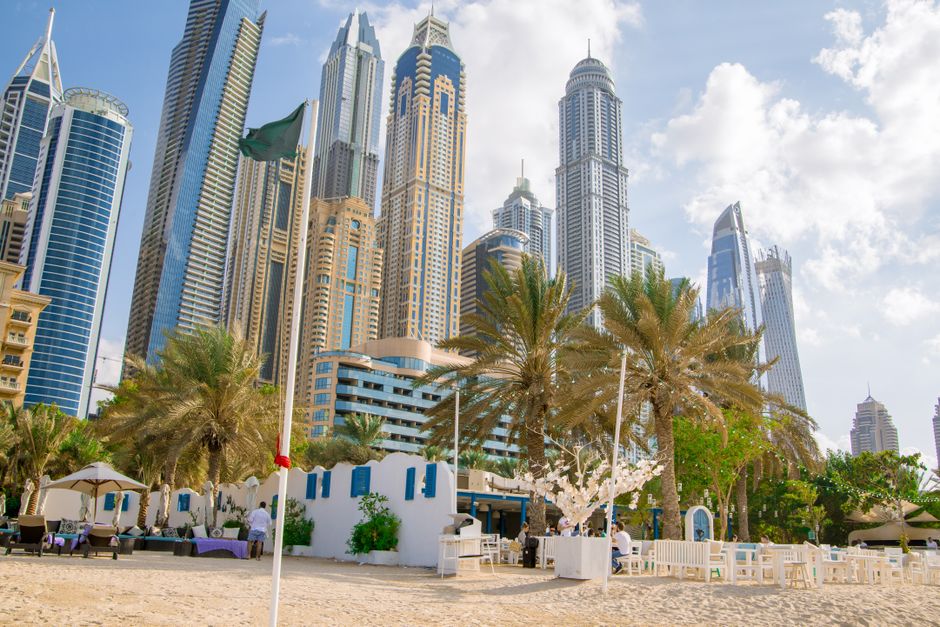
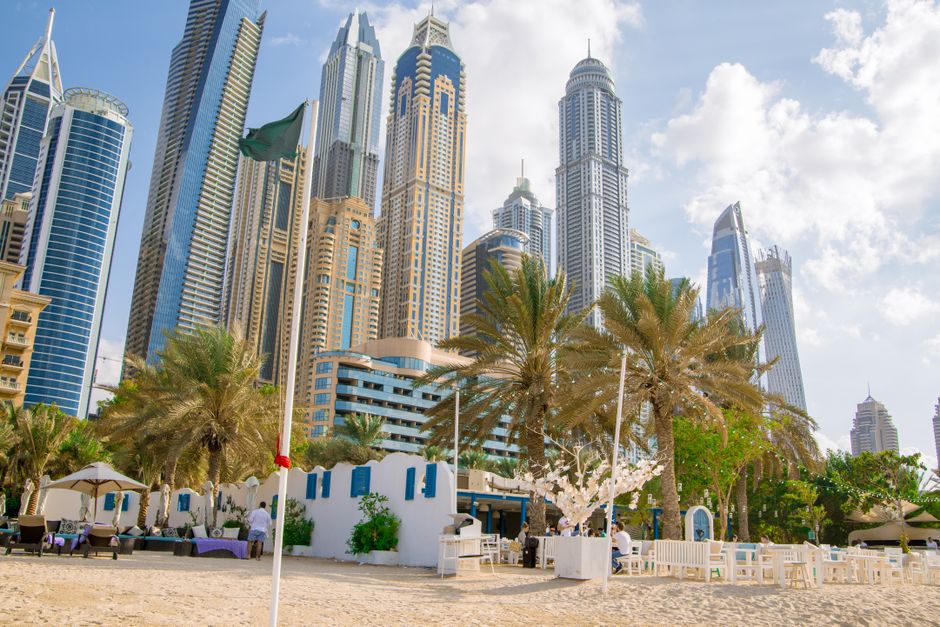
Walking through the regenerated Al Qudra cycling track on a Tuesday morning, the transformation is visible. Once a largely barren stretch of desert southwest of the city, the area now thrives with native vegetation and has become a destination for thousands seeking outdoor spaces that blend recreation with environmental consciousness. Yet behind this success lies a chorus of voices from residents grappling with what sustainability actually means in a rapidly evolving Dubai.
The UAE's commitment to reaching net-zero emissions by 2050 has catalysed visible changes across neighbourhoods. The Sustainable City development in Jebel Ali, with its solar-powered homes and waste-management systems, represents one vision of Dubai's green future. But for residents of established areas like Jumeirah and Downtown Dubai, the conversation is more nuanced.
Community groups focusing on water conservation have highlighted that despite awareness campaigns, per-capita consumption in Dubai remains among the world's highest at approximately 500 litres daily—nearly double the global average. The Dubai Municipality's push for green building certifications has incentivised retrofitting in Business Bay and DIFC, yet questions persist about accessibility for middle-income residents in Deira and Bur Dubai, where property owners face significant upgrade costs.
The emirate's mangrove restoration projects, particularly along the eastern coastline and in areas like Mushrif National Park, have generated enthusiasm among environmental groups. These initiatives sequester carbon while protecting marine ecosystems—critical given that mangroves cover only 0.1 per cent of Dubai's coastline compared to historical averages. Residents engaged in beach clean-ups and habitat restoration report genuine impact, though volunteer participation remains concentrated among expatriate communities rather than distributed across all demographics.
Transportation remains another focal point. The expansion of the Dubai Metro to Al Furjan and the introduction of e-scooter zones in Zahra, Al Baraha, and other residential areas have been embraced by younger residents. Yet working professionals dependent on personal vehicles—particularly those commuting to industrial zones in Jebel Ali and beyond—express frustration that public transport infrastructure hasn't fully addressed their needs.
What emerges from conversations across coffee shops in Al Wasl and community forums in Arabian Ranches is clear: Dubai's residents understand the urgency of environmental action. They're invested in mangrove conservation, renewable energy projects, and sustainable urban design. But they're equally vocal about wanting sustainability initiatives tailored to varied lifestyles, economic circumstances, and mobility patterns across this diverse, geographically sprawling city.
The question now is whether policymakers can listen as intently as residents are speaking.
This article was compiled by AI from the sources linked above and screened before publishing. See our editorial standards.