From Desert Dreams to Green Reality: How Dubai Built Its Sustainability Blueprint
Understanding the vision and necessity behind the emirate's transformation from oil-dependent economy to global sustainability leader.
Understanding the vision and necessity behind the emirate's transformation from oil-dependent economy to global sustainability leader.
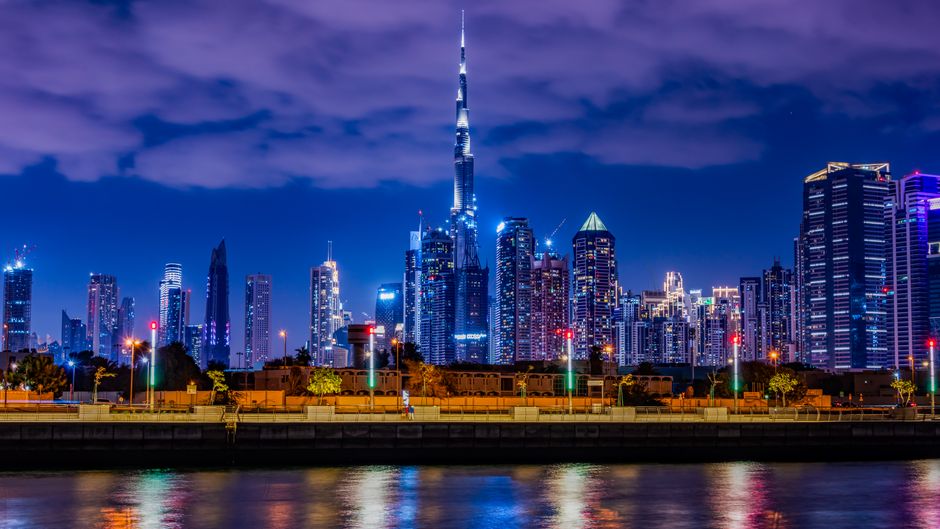
Dubai's commitment to environmental stewardship wasn't born from ideology alone—it emerged from necessity, opportunity and a sobering reality check. Two decades ago, the emirate faced a critical juncture: continue as a resource-dependent economy or pioneer a new model for arid-region development.
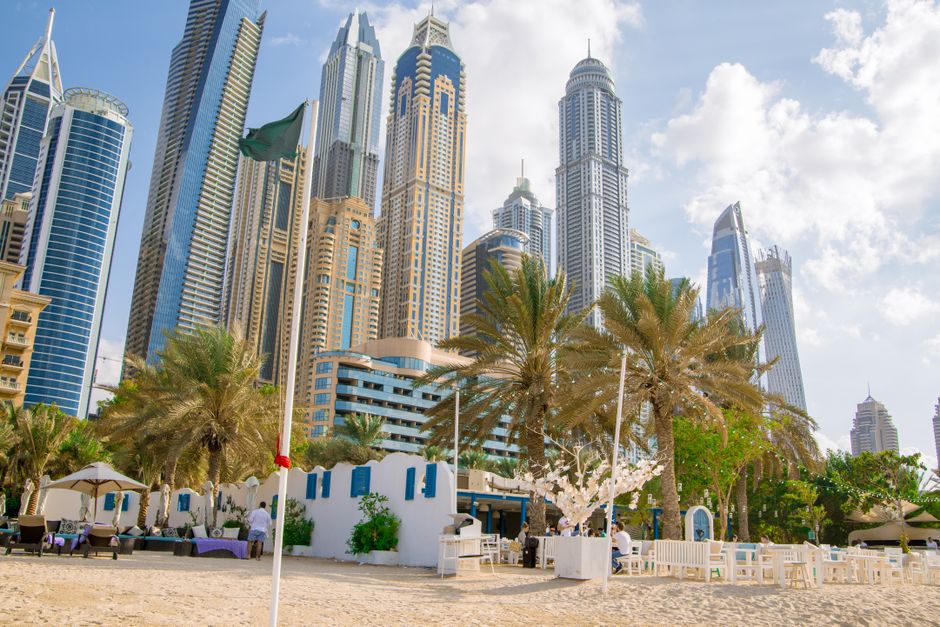
The turning point came in the early 2000s as planners watched global carbon markets shift and international investment preferences change. The construction of The Palm Jumeirah and Downtown Dubai, while iconic, consumed vast resources and raised uncomfortable questions about sustainability. By 2008, when the global financial crisis struck, Dubai's leadership recognised that long-term prosperity required diversification beyond construction and tourism.
Enter the Mohammed bin Rashid Al Maktoum Solar Park. The first phase, completed in 2013 near Seih Al Dahal in the southern desert, represented a symbolic pivot. Today, at full capacity, it generates over 5,000 megawatts—a tangible rejection of the old model. This wasn't merely environmental virtue; it was economic pragmatism. Solar power reduces operational costs for businesses across Sheikh Zayed Road and beyond, directly affecting bottom lines.
The UAE's Sustainable Development Goals strategy, formally adopted in 2015, provided the framework. Dubai embraced it aggressively. The Smart City initiative, launched alongside digital infrastructure projects throughout Al Baraha and Business Bay, aimed to reduce energy consumption by 30 percent by 2030. Buildings now required green certification; Deira's skyline began featuring sustainable design elements previously considered optional luxuries.
Water management proved equally critical in a city where desalination consumes 90 percent of electricity generation. The Jebel Ali desalination plant upgrades, completed incrementally since 2015, incorporated renewable energy integration—moving away from purely fossil-fuel dependent processes. Every drop mattered in a place where annual rainfall averages just 137 millimetres.
Yet the journey reflects pragmatism over perfection. Dubai's sustainability initiatives serve multiple masters: environmental responsibility, economic competitiveness, international standing, and operational efficiency. When the UAE committed to net-zero by 2050, Dubai positioned itself as the implementation engine.
Today's initiatives—from mangrove restoration projects along the coast to the expansion of cycle paths in Downtown Dubai—emerge from this calculated foundation. The emirate didn't wake up as an environmental advocate; it recognised that sustainable development and economic success were increasingly intertwined.
Understanding this context matters because Dubai's environmental story isn't primarily about ideology. It's about adaptation, opportunity, and the recognition that in a resource-constrained region, efficiency isn't optional—it's existential.
This article was compiled by AI from the sources linked above and screened before publishing. See our editorial standards.
How does this story make you feel?
Spread the word
About this article
Published by The Daily Dubai
Daily brief
Free, in your inbox before 7am. Weekdays.
More in News