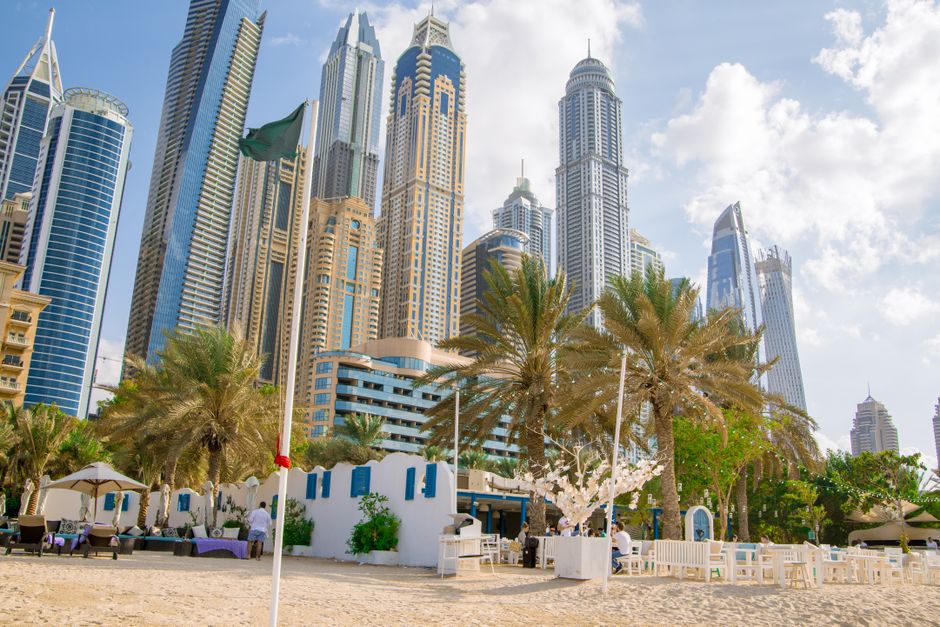
Dubai stands at a crossroads in its urban evolution. With property prices in established communities like Downtown Dubai and Business Bay climbing steadily, and rental yields compressing across much of the emirate, city planners and developers face a series of interconnected decisions that will fundamentally reshape how—and where—residents live over the next five to ten years.
The first critical juncture involves density policy. Currently, much of Dubai's peripheral growth—from Emaar South and Arabian Ranches III to ongoing developments in Sobhi Al Omari Street's industrial-to-residential transition zones—follows a relatively low-rise, villa-centric model. Planning authorities must now decide whether to increase permitted plot ratios and residential density in these emerging areas, or maintain the spacious character that has historically defined newer master-planned communities. Higher density could unlock affordability for young professionals; maintaining lower density preserves Dubai's distinctive suburban ethos but risks pricing out middle-income earners.
Second is the infrastructure-first versus development-led debate. Recent expansions in areas like Jebel Ali and along the E11 corridor have sometimes outpaced metro extensions and road capacity upgrades. The Roads and Transport Authority, alongside Dubai Municipality and the Department of Land and Property Administration, must clarify whether future housing approvals will be contingent on confirmed transport infrastructure timelines. This decision ripples across master-planning for Southern Dubai and any proposed northern expansions beyond Palm Jumeirah and Deira.
Third—and perhaps most contentious—is the question of affordability intervention. Average rents in Marina and JBR exceed AED 200,000 annually for modest two-bedroom apartments; villa rental prices in Arabian Ranches hover around AED 250,000 upward. Some Gulf cities have implemented rent caps or mandatory affordable-unit quotas in new developments. Dubai's authorities must decide whether to adopt similar mechanisms, offer developer incentives for below-market units, or rely on natural market correction as new supply comes online.
The Real Estate Regulatory Agency's recent data indicates over 32,000 new residential units expected by 2028 across announced projects. How—and where—these are absorbed depends on decisions made in the coming months. Will they concentrate in underutilised zones like Mina Rashid's waterfront plots, or spread more evenly across the emirate? Will zoning permit mixed-income neighbourhoods, or maintain the current socio-economic segmentation evident between The Hills and more diverse areas like International City?
Dubai's planners cannot duck these choices much longer. The window for thoughtful policy design is closing as market pressures intensify and land becomes scarcer. The decisions made this year will echo through 2035.
This article was compiled by AI from the sources linked above and screened before publishing. See our editorial standards.