Dubai stands at a pivotal moment in its infrastructure evolution. As the Route 2020 extension project approaches key construction milestones and Al Maktoum International Airport prepares for its next expansion phase, the emirate must navigate complex decisions that will shape urban mobility for the next decade.
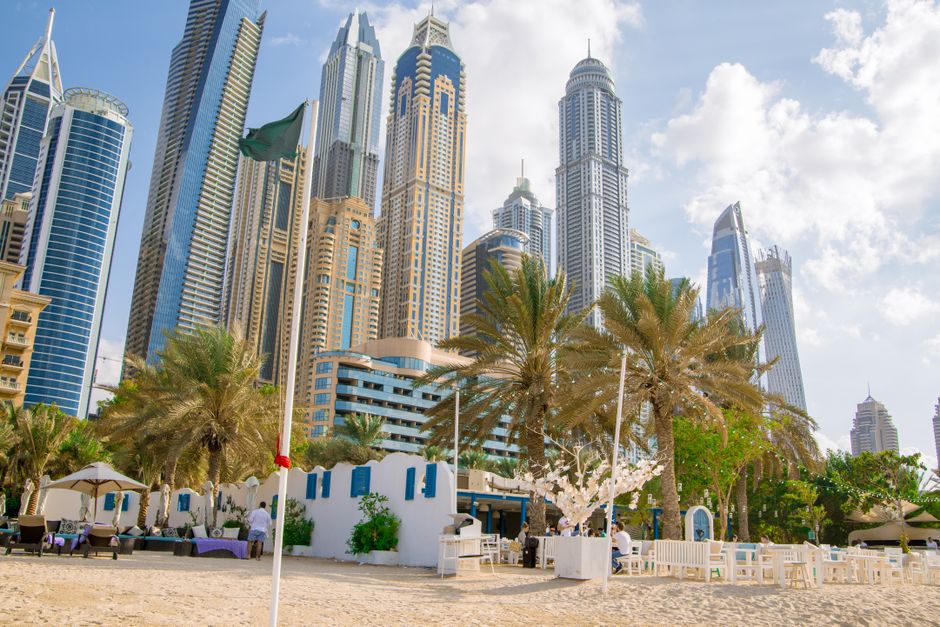
The Route 2020 extension, designed to connect Business Bay through Dubai Marina to the Sheikh Zayed Road corridor, represents a AED 14.8 billion commitment to easing congestion on traditional arteries serving Downtown Dubai and the Marina district. Construction crews are currently mobilising equipment along the Marina waterfront, with phase one targeting completion by 2028. However, the Roads and Transport Authority faces critical decisions regarding final interchange designs at key nodes near Emaar Boulevard and the Sheikh Zayed Road junction—modifications that could add 18 months to the timeline or increase costs substantially.
Simultaneously, the expansion of Al Maktoum International Airport in Jebel Ali presents another fork in the road. The facility currently handles 9 million annual passengers, but capacity planning documents suggest the emirate could welcome 120 million travellers by 2040 if cargo and hub operations accelerate as projected. The RTA and Dubai Airports Corporation must decide whether to pursue the full AED 33 billion three-phase expansion or adopt a phased approach, spreading investment across the current decade.
These aren't merely technical questions. They carry profound implications for residential development patterns, commercial real estate valuations, and Dubai's competitive positioning against rivals like Abu Dhabi and Qatar. The Deira waterfront redevelopment, for instance, depends partly on transport connectivity outcomes—decisions made this year will determine whether the historic district achieves its projected role as a mixed-use destination or remains partially isolated from central business zones.
Financing remains the elephant in every planning meeting. While the emirate has historically funded megaprojects through government development funds and public-private partnerships, global interest rate environments and regional economic shifts require fresh thinking. Officials must clarify whether public-private models will attract international investors or whether sovereign wealth allocations will dominate, as has been traditional.
Community integration presents another underestimated challenge. Route 2020's path through established Marina and Jumeirah neighbourhoods raises questions about construction-phase disruptions, noise mitigation, and property value impacts that residents and business owners expect to see addressed transparently.
The window for these decisions is narrowing. Tender processes for major contracts typically require 18-month lead times. Stakeholders across government, real estate, and logistics sectors are watching closely for clarity on priorities, funding mechanisms, and timelines that will arrive in formal announcements expected within the next quarter.
This article was compiled by AI from the sources linked above and screened before publishing. See our editorial standards.