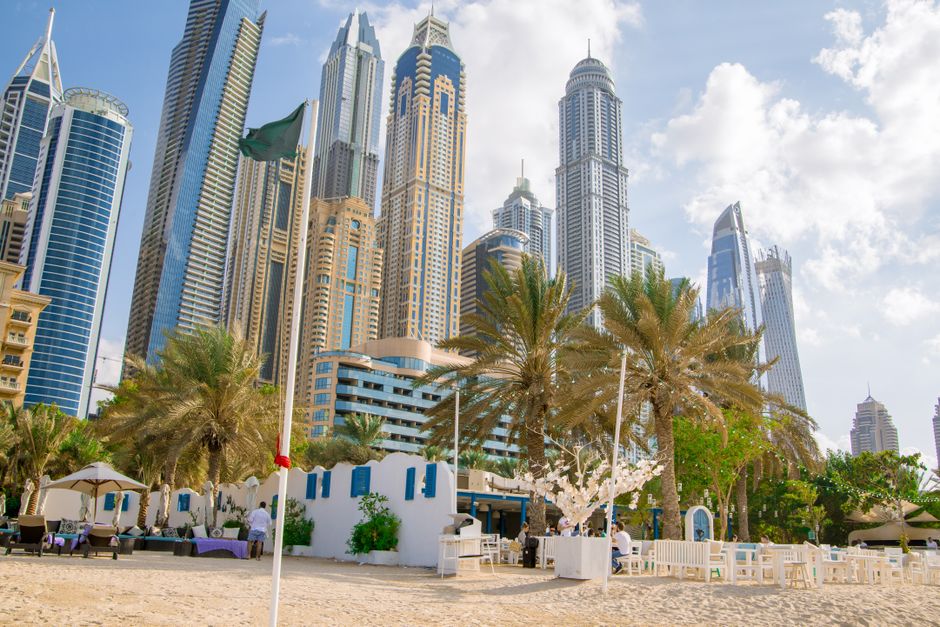
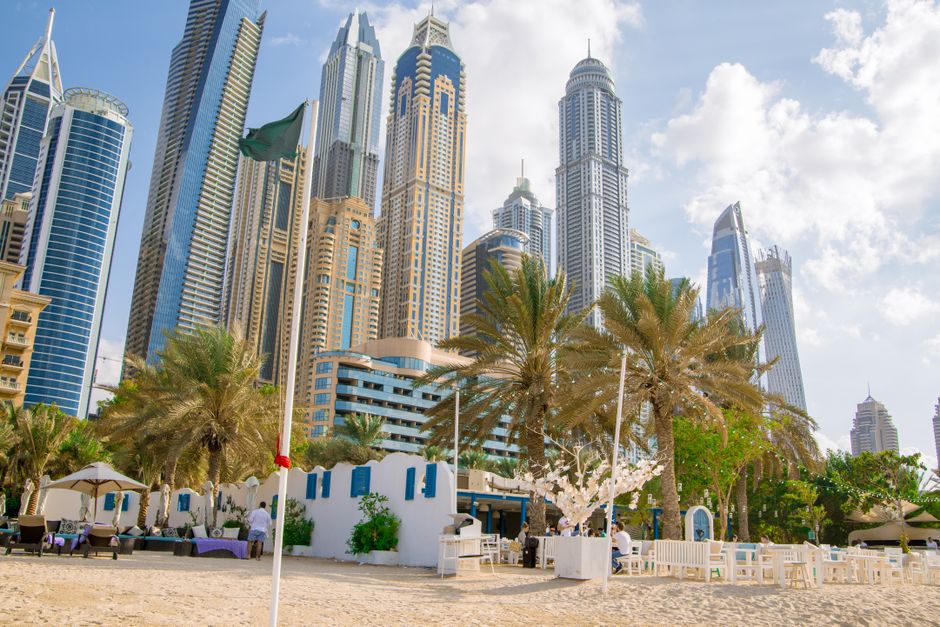
Dubai's relentless growth continues at breakneck pace. Official figures suggest over 500,000 residents have relocated to the emirate in the past three years alone, fundamentally altering the demographic landscape and placing unprecedented pressure on neighbourhoods from Marina to Downtown and into emerging areas like Arabian Ranches and Damac Hills.
For long-term residents, the influx presents a paradox. Demand for rental properties in established communities like Jumeirah Lake Towers has pushed median apartment costs above AED 140,000 annually—up 23% since 2023. Meanwhile, newer arrivals often lack familiarity with local customs, Arabic language basics, or understanding of UAE regulations, creating integration challenges in traditionally close-knit communities.
"The neighbourhoods are changing fundamentally," explains one Deira-based business owner who requested anonymity. Infrastructure strain is palpable. Schools in prime residential areas report waiting lists exceeding 18 months. Traffic congestion on Sheikh Zayed Road has worsened measurably, with peak-hour delays now routinely exceeding 45 minutes. Retail spaces along Al Wasl Road and within Marina Mall face higher competition, forcing established small businesses to reconsider operational viability.
However, the community impact cuts both ways. New residents inject economic vitality—the retail sector has expanded notably, and service industries from housekeeping to food delivery have flourished. Community organisations like the Dubai Community Development Authority report increased volunteer participation, with newcomers often bringing fresh perspectives to established initiatives.
Cultural integration remains a focal concern. Neighbourhoods like Bur Dubai historically maintained distinct cultural identities; rapid turnover threatens social cohesion. The Al Fahidi Historical District's character—once defined by multigenerational Emirati and Gulf Arab families—has shifted toward transient professional populations, affecting local heritage preservation efforts.
For those considering relocation, understanding this context matters. Choosing neighbourhood carefully determines quality-of-life outcomes. Established areas offer established infrastructure but face congestion and rising costs. Emerging developments in Dubailand or Arabian Ranches provide space and affordability but require longer commutes to traditional employment hubs near DIFC or Downtown.
Local authorities acknowledge the pressure. The Roads and Transport Authority has invested in metro expansion, while the Knowledge and Human Development Authority continues school accreditation expansions. Yet planners emphasise that sustainable growth requires newcomers to actively integrate—engaging with local customs, supporting community initiatives, and respecting neighbourhood character.
Dubai's narrative increasingly depends on balancing opportunity with community preservation. For established residents and newcomers alike, that equilibrium will define whether neighbourhoods remain vibrant communities or become transactional spaces merely inhabited by disconnected populations.
This article was compiled by AI from the sources linked above and screened before publishing. See our editorial standards.