Dubai's Housing Blueprint: How the Emirates Stacks Up Against Global Urban Planning Leaders
As cities worldwide grapple with affordability crises, Dubai's mixed-model approach offers lessons—and cautionary tales—for urban planners globally.
As cities worldwide grapple with affordability crises, Dubai's mixed-model approach offers lessons—and cautionary tales—for urban planners globally.
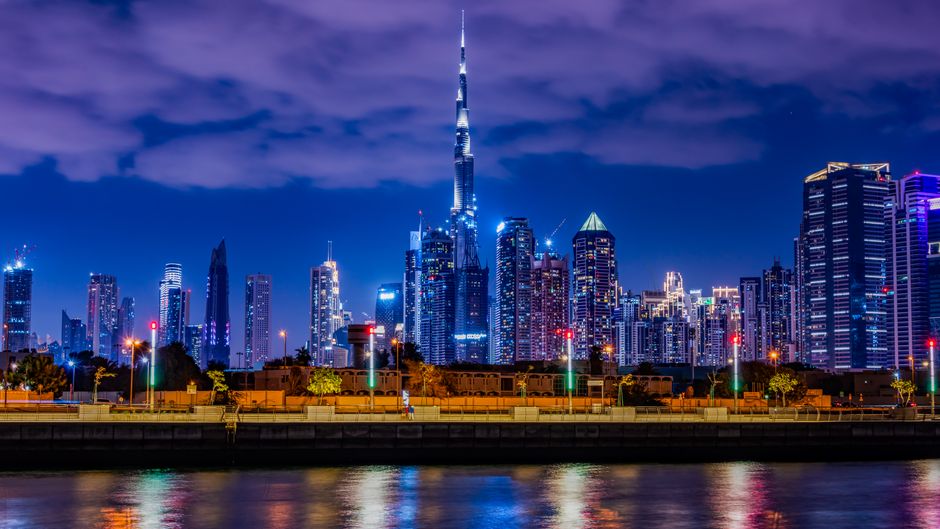
Dubai's approach to housing policy stands apart from traditional urban planning models employed by peer cities, reflecting the emirate's unique position as a rapidly globalising metropolis balancing luxury development with emerging affordability concerns.
Unlike Singapore's stringent public housing mandate—where 80 per cent of residents live in government-built flats—Dubai has maintained a predominantly private-sector-led development strategy. The average villa in Arabian Ranches or apartment in Downtown Dubai commands prices that dwarf comparable properties in London or Toronto, yet the emirate has begun experimenting with regulated affordability zones. The recent expansion of developments like Jumeirah Village Circle and the government-backed Deira and Ghubai masterplans represent a subtle shift toward middle-income housing.
This contrasts sharply with Vancouver's inclusionary zoning requirements, where developers must allocate 20 per cent of units for below-market-rate housing. Dubai's approach remains more organic—developer-driven with regulatory incentives rather than mandates. The Real Estate Regulatory Agency (RERA) has introduced guidelines encouraging mixed-income communities, but enforcement remains lighter than policies in Toronto or Melbourne.
Transportation integration offers another comparative lens. Dubai's rapid Metro expansion—particularly along the Red and Green Lines—mirrors Barcelona's integrated transit-housing strategy, linking affordable neighbourhoods like Jebel Ali directly to employment hubs downtown. Yet unlike Barcelona's stringent rent controls, Dubai maintains relatively free-market rental dynamics, resulting in volatility that troubles long-term planners.
Sustainability credentials present a final contrast. Masdar City's carbon-neutral ambitions in Abu Dhabi challenge Dubai's approach, though new developments like the Sustainable City on Al Qudra Road suggest the emirate is catching up. Copenhagen's 35-year-old green building standards now influence RERA guidelines, though implementation lags European benchmarks.
Local experts note Dubai's advantage lies in land availability and capital influx—luxuries cities like Hong Kong or Singapore simply lack. This enables experimentation that would prove politically toxic elsewhere. Yet the absence of heavy rent regulation and public housing quotas creates affordability challenges that mirror London's.
The verdict: Dubai's housing policy succeeds as a development engine but struggles with inclusivity compared to regulated markets. As the city matures, policymakers increasingly look to Singapore's mixed public-private model and Barcelona's transit-oriented frameworks. Whether Dubai can maintain growth while broadening access remains the central question shaping its next decade.
This article was compiled by AI from the sources linked above and screened before publishing. See our editorial standards.
How does this story make you feel?
Spread the word
About this article
Published by The Daily Dubai
Daily brief
Free, in your inbox before 7am. Weekdays.
More in News