Walk through the corridors of the Dubai Municipality offices on Sheikh Zayed Road today, and you'll encounter a very different narrative about migration than existed in the early 2000s. The shift didn't happen overnight, but rather reflects two decades of deliberate policy evolution that has fundamentally reshaped who arrives in Dubai and why.
In the early 2000s, Dubai's construction boom created an almost magnetic pull. Labourers from India, Pakistan, Bangladesh, and the Philippines arrived by the hundreds of thousands, drawn by wage differentials that seemed transformative compared to home countries. The labour camps in areas like Sonapur and Jebel Ali became symbols of this era—sprawling residential zones built to accommodate rapid workforce expansion. At its peak around 2008, migrant workers comprised over 99 per cent of Dubai's private sector workforce.
That model began fracturing after the 2008 financial crisis. Construction stalled. Projects froze. Thousands of workers found themselves stranded, their sponsorship ties severing overnight. The human cost was significant, but the policy lesson was sharper: rapid, undifferentiated labour importation created systemic vulnerabilities.
The subsequent decade witnessed a calculated recalibration. Dubai's government, through entities like the Department of Human Resources and Emiratisation, began implementing quotas favouring Emirati citizens in certain sectors. Simultaneously, new talent acquisition strategies emerged—targeted recruitment of specialists in technology, finance, healthcare, and creative industries. The introduction of visa categories like the Golden Visa (extended residency for investors and professionals) in 2019-2020 reflected this shift toward attracting human capital rather than labour volume.
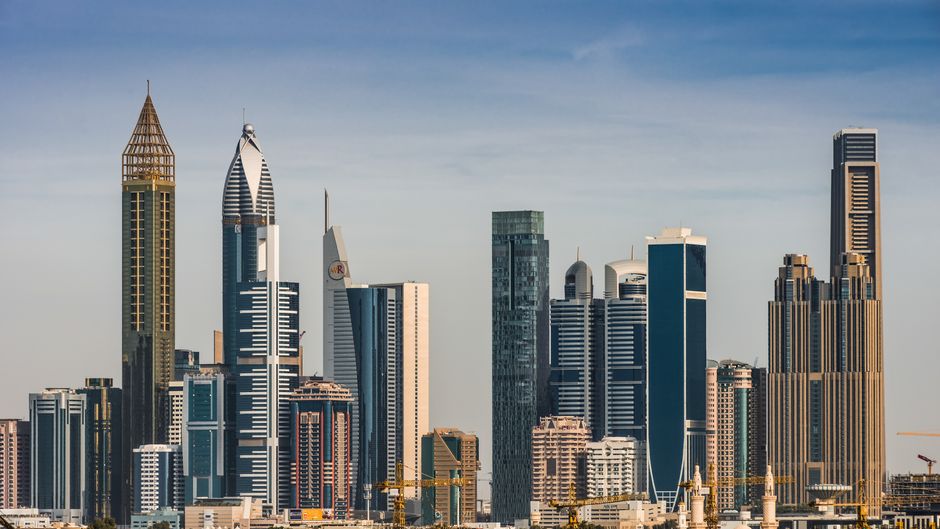
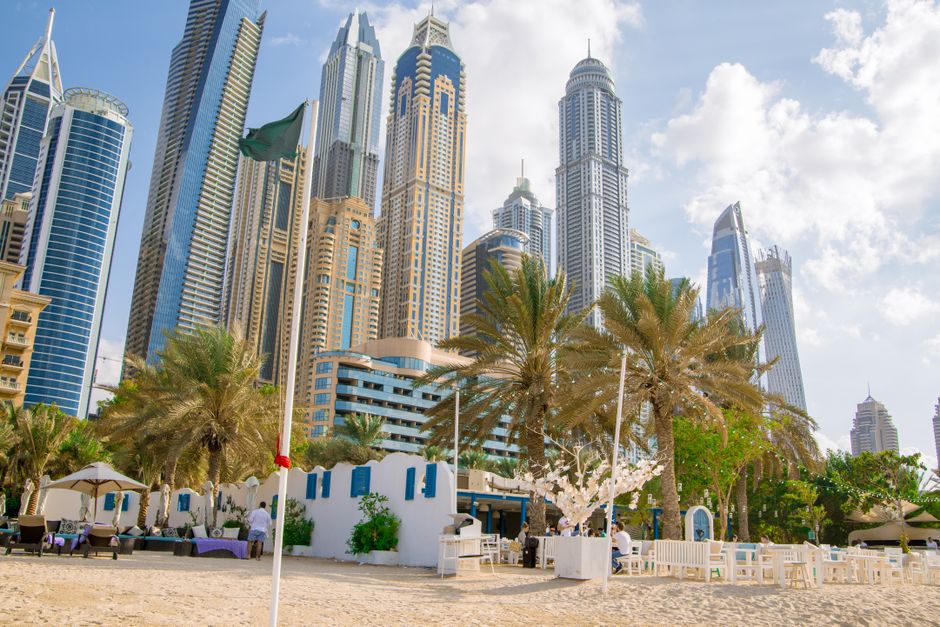
By 2024-2025, the composition of Dubai's migrant population had noticeably changed. While South Asian workers remained significant, the proportion of white-collar expatriates from Western nations, China, and other developed economies had grown substantially. Downtown Dubai, the Business Bay precinct, and the emerging tech hubs in areas like Dubai Silicon Oasis became demographic mirrors of this transformation.
Today's multicultural Dubai—home to approximately 85 per cent expatriates across 200 nationalities—is not accidental. It's the product of deliberate strategic choices responding to earlier boom-bust cycles. The labour camps remain, but their expansion has slowed. Meanwhile, premium residential areas and professional communities have proliferated to accommodate the new migrant profile.
Understanding this trajectory matters. It explains current debates around labour rights, housing affordability, and integration policies. Dubai's migration story is one of economic adaptation, yes—but also of learning, sometimes painfully, about sustainability and social coherence.
This article was compiled by AI from the sources linked above and screened before publishing. See our editorial standards.