Dubai's Transport Crossroads: Critical Decisions That Will Shape the Next Five Years
With the Etihad Rail expansion and metro extensions hanging in the balance, RTA faces pivotal choices on funding, timelines and regional connectivity.
With the Etihad Rail expansion and metro extensions hanging in the balance, RTA faces pivotal choices on funding, timelines and regional connectivity.
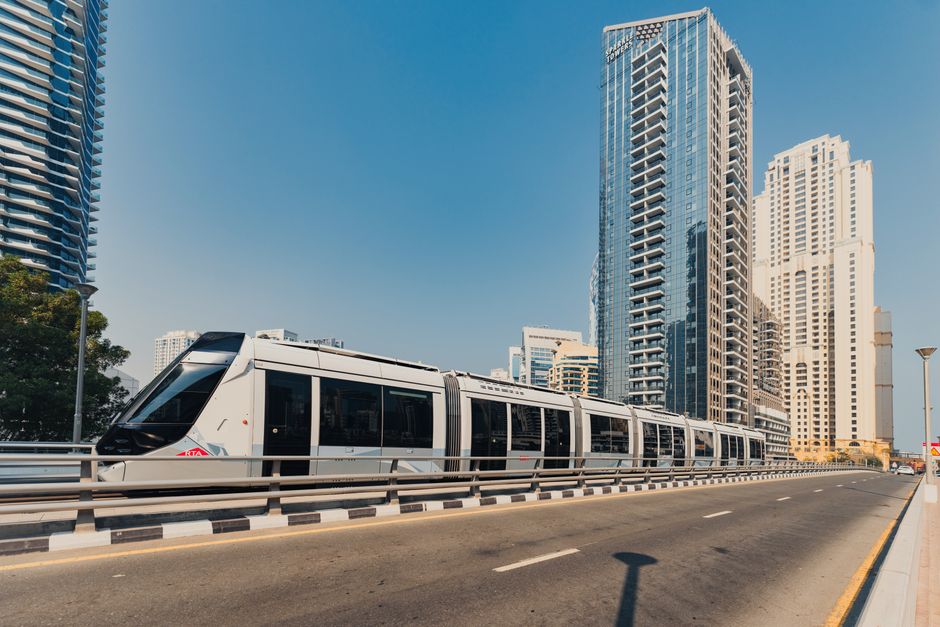
Dubai stands at a critical juncture in its transport evolution. As the Roads and Transport Authority prepares for mid-year reviews of major infrastructure commitments, multiple high-stakes decisions loom that will determine whether the emirate can sustain its position as the Middle East's connectivity hub while managing rapid urban growth.
The most immediate question centres on the Etihad Rail Phase Two expansion, which aims to connect Dubai to Abu Dhabi and eventually Saudi Arabia. Originally pencilled in for completion by 2030, the project now faces scrutiny over whether timelines can hold amid regional economic pressures and supply chain volatility. Industry sources suggest the RTA must decide within months whether to accelerate certain corridor segments—particularly the Dubai-Abu Dhabi line serving Al Maktoum International Airport—or accept a staged rollout that prioritises freight over passenger services.
Equally pressing is the Red Line extension debate. Plans to push metro capacity beyond its current terminals at Jebel Ali and Rashidiya have been circulating for three years, yet no firm green light has emerged. The challenge is twofold: securing the estimated AED 15-20 billion in additional capital, and determining whether expansion should follow commercial corridors like the Business Bay-DIFC axis or prioritise connectivity to emerging residential zones in Sobha and Arabian Ranches.
The city's bus rapid transit (BRT) network presents a third critical juncture. Currently operational on Sheikh Zayed Road and Al Manara, BRT expansion into secondary routes—particularly along Jumeirah Beach Road and connecting Deira to Dubai Healthcare City—depends on decisions about public subsidy levels and route profitability. RTA leadership must choose between comprehensive but costly coverage or a selective model focused on high-utilisation corridors.
Stakeholders from real estate developers to logistics operators are watching closely. The Dubai Chamber of Commerce has publicly flagged concerns that transport infrastructure decisions are outpaced by residential and commercial development, particularly in communities beyond the traditional Sheikh Zayed Road corridor.
RTA officials have indicated that Q3 2026 will bring clearer direction on funding allocations and phasing priorities. The authority's stated aim is balancing immediate capacity needs—addressing current congestion hot spots around Festival City and Trade Centre roundabout—against longer-term strategic infrastructure that positions Dubai as a regional logistics nexus.
What remains uncertain is how geopolitical factors and shifting global supply chains might reshape these priorities. The next 90 days will reveal whether Dubai's transport masterplan can adapt with the speed the city's growth demands.
This article was compiled by AI from the sources linked above and screened before publishing. See our editorial standards.
How does this story make you feel?
Spread the word
About this article
Published by The Daily Dubai
Daily brief
Free, in your inbox before 7am. Weekdays.
More in News