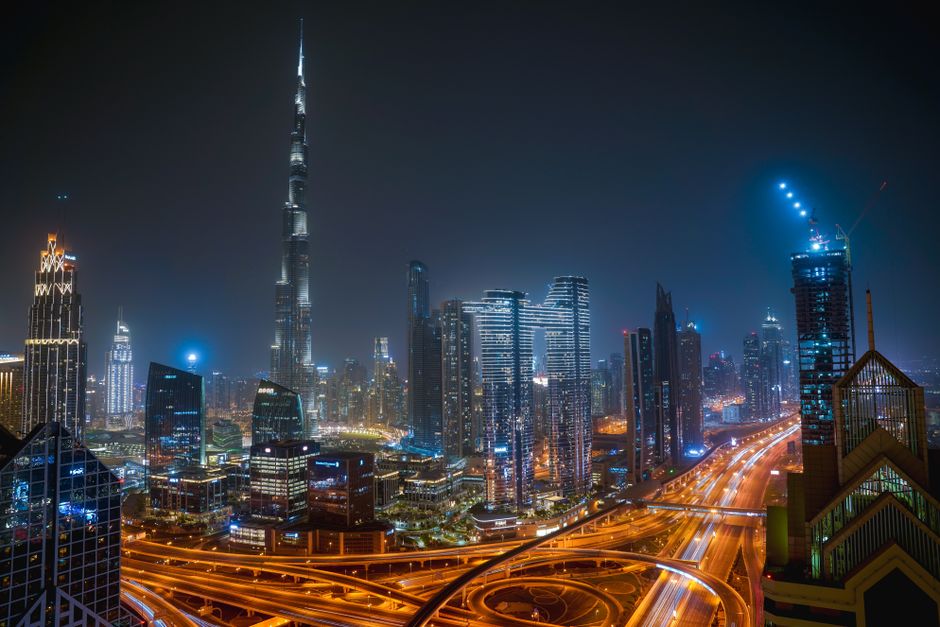
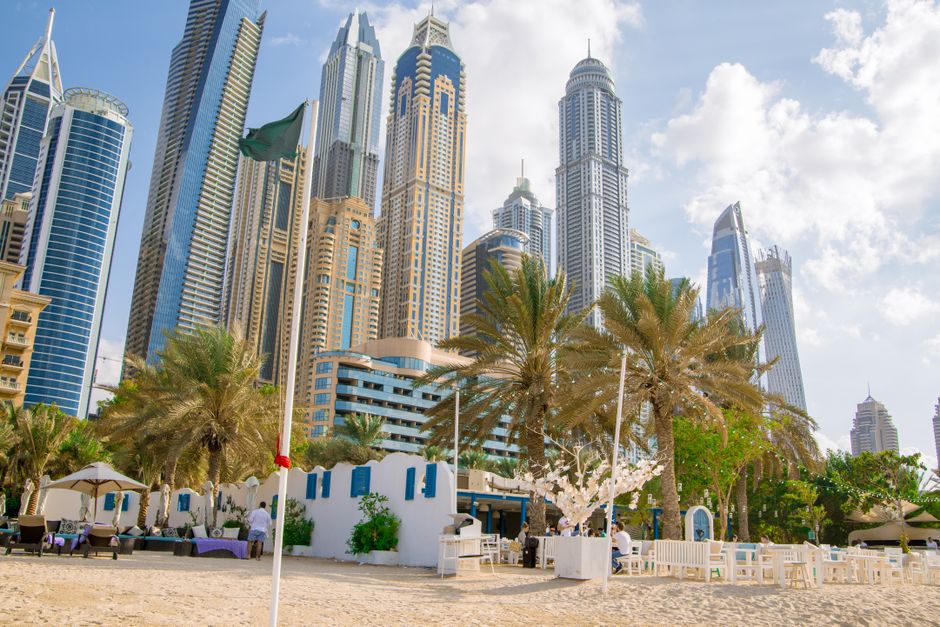
Dubai's infrastructure landscape underwent significant advancement this week, with three major transport projects reaching critical milestones that underscore the emirate's continued commitment to modernising its mobility networks ahead of its anticipated World Expo 2030 hosting.
The Dubai Roads and Transport Authority confirmed completion of structural works on the Route 2020 expansion project spanning Sheikh Zayed Road to Al Khail Road. The AED 1.8 billion initiative, which has been reshaping connectivity through New Dubai and Downtown Dubai since 2023, entered its final phase with 87 per cent of road resurfacing now complete. Traffic management teams reported smoother flow along the critical arterial routes this week, with average journey times between Burj Khalifa and Dubai International Airport reducing by approximately 12 minutes during peak hours.
Simultaneously, progress on the Etihad Rail's extension towards Dubai Port continued at pace. The inland rail corridor, designed to eventually connect the Northern Emirates with Jebel Ali Port, completed laying of track infrastructure across the Jebel Ali segment this week. Officials indicated that signalling and safety systems installation would commence in Q3, with preliminary operations targeted for early 2027. When fully operational, the network is projected to handle 36 million tonnes of freight annually.
Perhaps most significantly for waterfront development, the Dubai Maritime City Access Bridge—a long-pending infrastructure link between Port Saeed and the developing Maritime City district—received final environmental clearance this week. The 3.2-kilometre bridge will cost approximately AED 2.4 billion and is designed to decongest existing routes while opening direct access to the 500-hectare mixed-use development. Construction tenders are expected to launch within the next fortnight.
The convergence of these projects reflects a strategic approach to Dubai's transport infrastructure, where the focus has shifted toward integrated multi-modal connectivity rather than isolated road expansion. The RTA's latest data indicates that 64 per cent of daily commuters now use public transport or ride-sharing services, up from 41 per cent in 2020.
Dr. Mattar Al Tayer, Director-General of the Roads and Transport Authority, is expected to provide comprehensive updates on all three initiatives during a press briefing scheduled for July 8. Industry analysts suggest these developments position Dubai competitively for its Expo 2030 ambitions whilst addressing chronic congestion patterns that have constrained growth in peripheral areas like Al Baraha and Ras Al Khaimah's southern districts.
This article was compiled by AI from the sources linked above and screened before publishing. See our editorial standards.