Dubai's Migrant Communities Navigate New Visa Pathways This Week
Fresh regulatory changes and community initiatives reshape opportunities for the 88% of residents born abroad.
Fresh regulatory changes and community initiatives reshape opportunities for the 88% of residents born abroad.
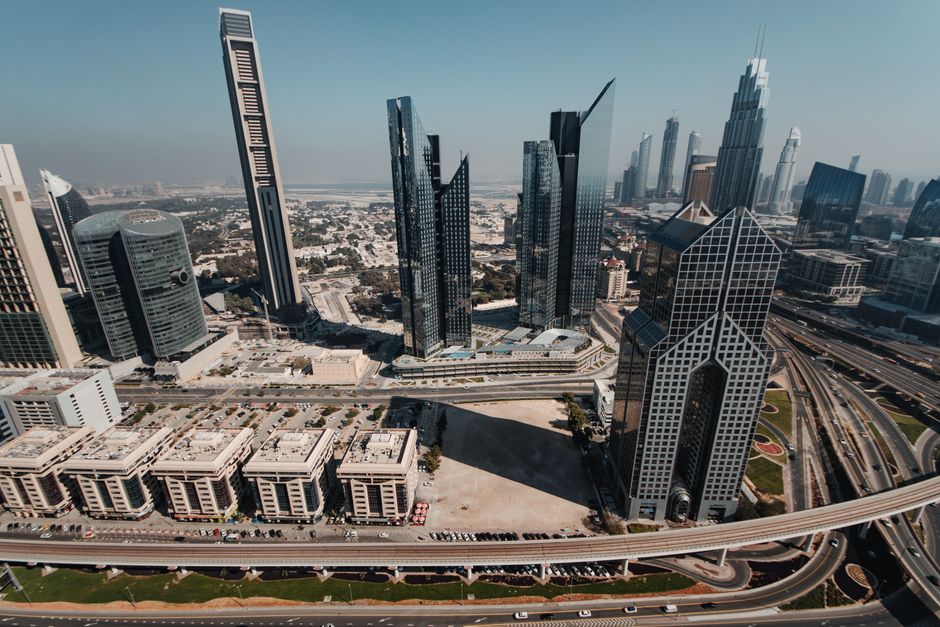
Dubai's multicultural fabric faced significant shifts this week as authorities rolled out streamlined visa processing at the General Directorate of Residency and Foreigners Affairs headquarters in Al Baraha, with processing times now reduced to five working days for dependent visa approvals—down from the previous eight-day standard.
The developments come as the emirate's migrant population, representing nearly 9 in 10 of Dubai's 3.6 million residents, continues navigating evolving residency frameworks. New guidelines announced on Monday clarify sponsorship requirements for skilled workers across the trade, healthcare, and technology sectors, areas where labour demand remains acute across the UAE's economy.
"What we're seeing is a recalibration of how the system processes applications," explained Jamal Al Mazrouei, director of community integration at the Dubai Chamber of Commerce and Industry, during a Thursday briefing at the organisation's headquarters on Sheikh Zayed Road. The chamber reported fielding over 2,400 enquiries from business sponsors in the past fortnight alone regarding updated compliance procedures.
Meanwhile, grassroots organisations have intensified support services. The International Centre for the Care of Premature Infants in Jumeirah expanded weekend operating hours specifically to serve migrant families juggling multiple employment commitments. The Philippine Social Services Centre in Bur Dubai reported a 34% surge in requests for documentation assistance, reflecting increased focus on formalising status among longer-term residents.
Housing pressures remain acute. Rental rates in traditional migrant hubs—Deira's labour camps, Sonapur's worker accommodation zones—continue climbing. The Dubai Statistics Centre confirmed that studio apartments in Al Qusais now average AED 1,850 monthly, a 12% year-on-year increase. Correspondingly, organisations like Serve on Wheels have expanded meal distribution programmes across Karama and Al Manara, serving approximately 600 individuals weekly.
Community leaders acknowledge tensions between economic necessity and regulatory compliance. "Many residents are caught between wanting to formalise their status and concerns about affordability," noted one community worker on condition of anonymity. Recent rule clarifications, however, appear designed to ease pathways for workers already established in the emirate.
The week also saw expanded freelancer registrations at the Department of Economy and Tourism offices in Downtown Dubai, with 847 new applications filed—predominantly from South Asian and Arabic-speaking professionals entering creative, consultancy, and service sectors.
As Dubai continues cementing its identity as a global crossroads, these incremental policy shifts and community expansions underscore the ongoing negotiation between institutional frameworks and the lived realities of millions calling the emirate home.
This article was compiled by AI from the sources linked above and screened before publishing. See our editorial standards.
How does this story make you feel?
Spread the word
About this article
Published by The Daily Dubai
Daily brief
Free, in your inbox before 7am. Weekdays.
More in News