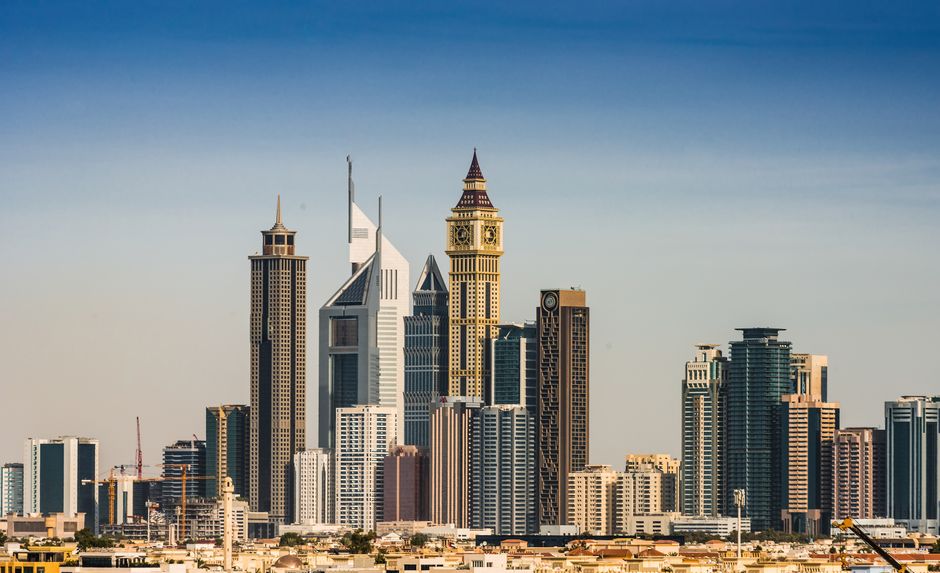
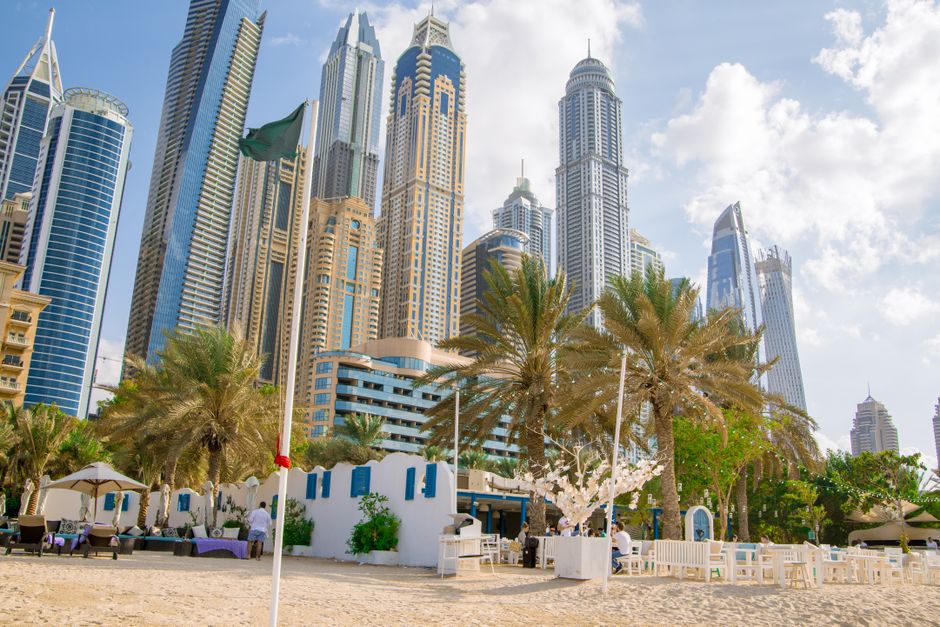
As global cities face mounting pressure to modernise their governance structures, Dubai stands apart with a governance framework that has become a reference point for metropolitan centres from Singapore to Toronto. The emirate's approach to coordinating between municipal departments, private sector stakeholders, and residents reveals stark contrasts with how peer cities manage urban complexity.
The Dubai Municipality's Smart City initiative, anchored in Sheikh Zayed Road's central administration hub, has streamlined permit processing and service delivery across the city's 4,114 square kilometres. A resident seeking building approval on Al Wasl Road or retail licensing in Downtown Dubai can now complete 87% of transactions online—a figure that compares favourably with London's 62% and Sydney's 58%, according to a 2025 Economist Intelligence Unit assessment of major global cities.
Where Dubai's governance distinctly diverges is in cross-departmental coordination. The Real Estate Regulatory Agency, Roads and Transport Authority, and Dubai Police collaborate through integrated digital platforms that have reduced processing times from 45 days to an average of 12 days for complex applications. Cities like Toronto and Amsterdam, despite advanced digital infrastructure, still operate through siloed departmental systems that create bottlenecks.
However, experts note Dubai faces challenges different from Western counterparts. Public consultation mechanisms remain less developed than those in Melbourne or Copenhagen, where residents have formal input into urban planning decisions. The municipality's recent $1.2 billion allocation for sustainable development across Deira, Jumeirah, and Bur Dubai reflects top-down planning priorities rather than community-driven initiatives common in European cities.
The cost of city services tells another story. Dubai's utility billing system—integrated across water, electricity, and waste management—offers residents comprehensive digital management unavailable in cities like Istanbul or Bangkok. Yet questions persist about transparency in procurement processes and public accountability mechanisms compared to Toronto or Vienna's institutional oversight structures.
Dr. Fatima Al Mazrouei, head of Dubai's urban planning forum, has emphasised the municipality's commitment to balancing efficiency with inclusivity. The introduction of quarterly public feedback sessions on major infrastructure projects signals recognition that governance models must evolve beyond transactional efficiency.
As global cities benchmark their systems against each other, Dubai's experience demonstrates that digital integration and coordinated administration can dramatically improve service delivery. Yet the city's ongoing evolution—incorporating greater public participation while maintaining operational efficiency—may ultimately offer the most valuable lesson for municipalities worldwide seeking to balance modernisation with democratic engagement.
This article was compiled by AI from the sources linked above and screened before publishing. See our editorial standards.