Dubai's Roads and Transport Authority released its mid-year administrative report on Tuesday, unveiling spending allocations that provide rare transparency into how the emirate's government is reshaping urban infrastructure. The numbers paint a detailed picture of governance priorities that extend far beyond headline announcements.
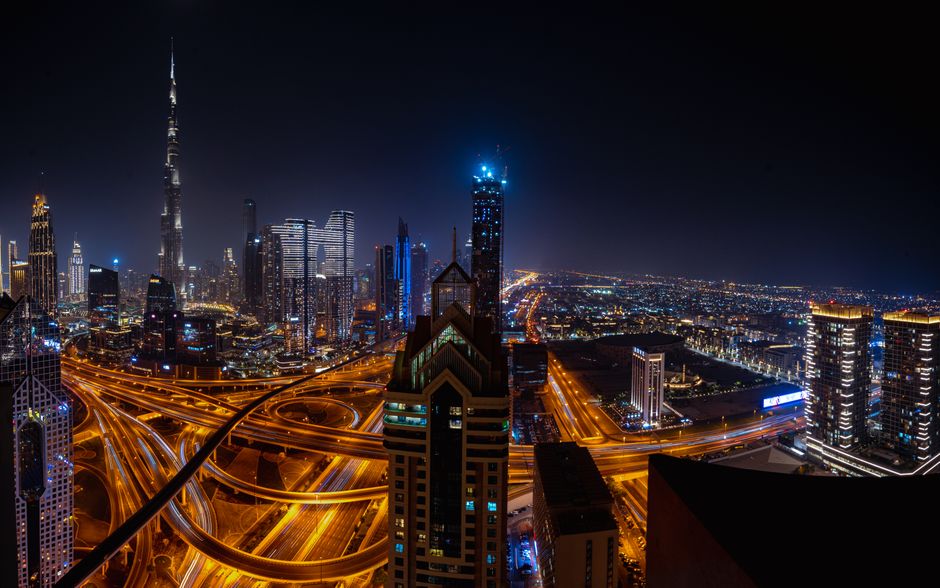
Of the 2.1 billion dirhams allocated for 2026 infrastructure projects, 520 million dirhams—roughly 25 percent—has been earmarked for smart traffic management systems across 47 major intersections in Business Bay, Downtown Dubai, and along Sheikh Zayed Road. The investment represents a 34 percent increase from 2025 allocations, suggesting accelerating momentum in the city's digital transformation agenda.
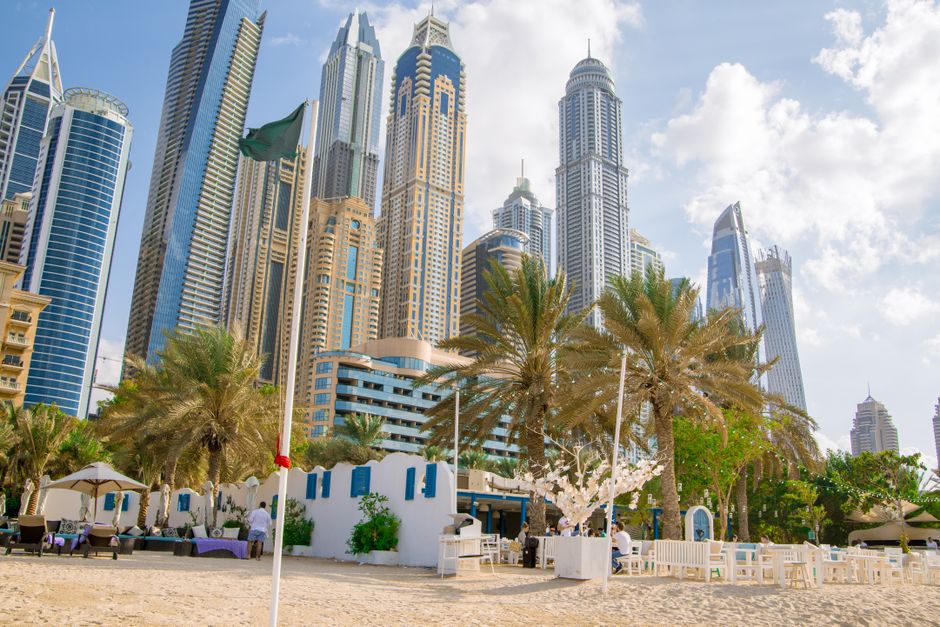
Perhaps most revealing is the distribution of services across neighbourhoods. Data shows that while central areas like the Marina and Jumeirah Lake Towers receive 38 percent of municipal improvement budgets, outer zones including Jebel Ali, Mirdif, and Arabian Ranches are receiving proportionally larger increases—15 percent year-on-year growth versus 8 percent in established districts. This suggests deliberate efforts to distribute development beyond traditional commercial cores.
The Department of Municipal Affairs reported processing 8,347 building permits in the first half of 2026, a 7 percent decline from the same period last year but with significantly higher average project values: 890 million dirhams total compared to 760 million dirhams in 2025. This indicates a shift toward larger, more complex developments rather than volume-based growth.
Water and electricity consumption data reveals another layer of municipal planning. Per-capita consumption in Dubai decreased 3.2 percent despite a 2.1 percent population increase, credited to smart metering installations now covering 89 percent of residential properties—up from 71 percent in 2024. Average household electricity bills fell from 340 dirhams to 312 dirhams monthly, a 8.2 percent reduction.
Perhaps unexpectedly, the municipality allocated 145 million dirhams for green space expansion, designating 127 hectares of new parks and gardens across underserved areas. Public parks in Satwa, Al Karama, and Naif now occupy larger footprints, though land acquisition costs averaged 1.14 million dirhams per hectare—substantially higher than 2024 averages of 890,000 dirhams.
These numbers, often buried in administrative documents, reveal governance philosophy: measured growth, digital-first infrastructure, equity across neighbourhoods, and resource sustainability. Dubai's municipal data, though less dramatic than infrastructure megaprojects, shows how the city actually functions at granular levels.
This article was compiled by AI from the sources linked above and screened before publishing. See our editorial standards.