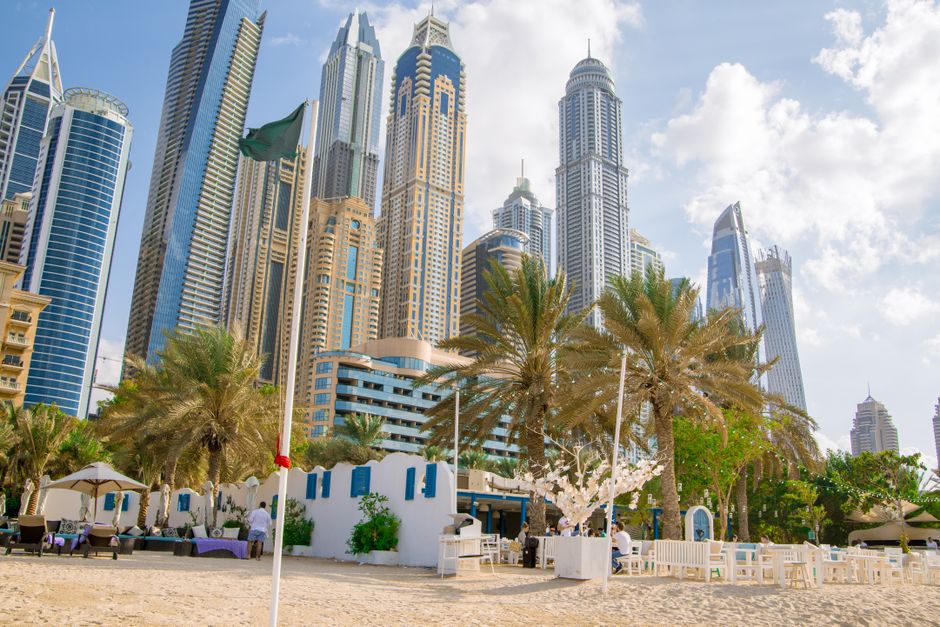
How Dubai Became Home to 3.6 Million Expats: A Journey Through Decades of Migration Policy
From pearl diving ports to global megacity, understanding the historical forces that transformed Dubai's demographic landscape.
From pearl diving ports to global megacity, understanding the historical forces that transformed Dubai's demographic landscape.
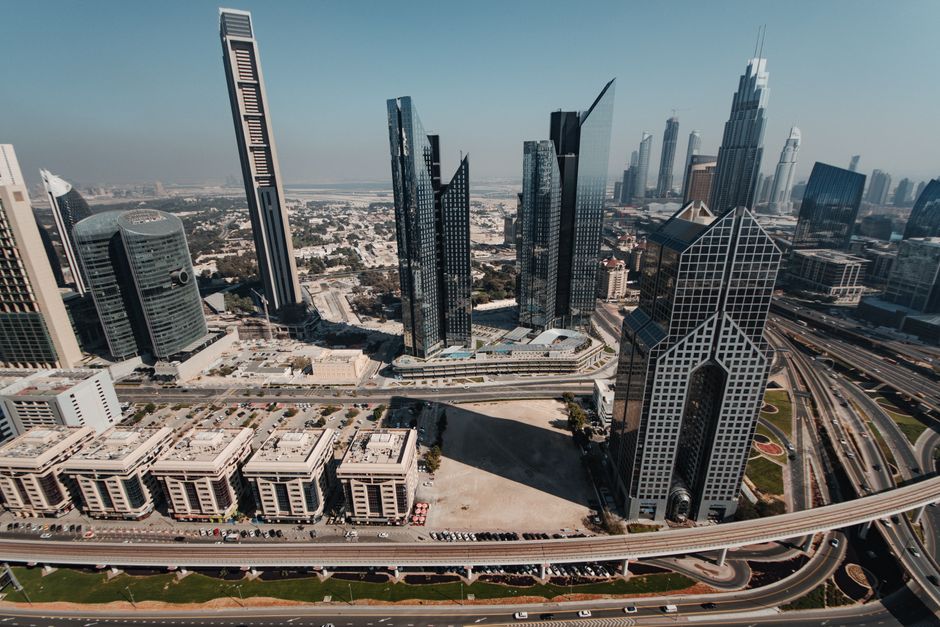
Walk down Al Fahidi Street in Bur Dubai today and you'll hear Tagalog, Hindi, Urdu, and Arabic competing with English—a linguistic snapshot of how dramatically this city has transformed over five decades. But this multicultural reality didn't emerge overnight. It's the product of deliberate economic policy, regional upheaval, and the relentless pull of opportunity that has made Dubai home to roughly 85% expat population, with only around 550,000 Emirati nationals among the 3.6 million residents.
The foundation was laid in the 1960s when Sheikh Rashid bin Saeed Al Maktoum made a strategic gamble: open Dubai's ports and offer incentives to foreign workers and traders. The discovery of oil in 1966 accelerated this vision, but it was the establishment of the Port Authority and the free trade zones that truly catalyzed migration. By the 1980s, workers from South Asia—Pakistan, India, and Bangladesh—began arriving in significant numbers, drawn by construction wages that multiplied what they could earn at home. A laborer could earn 800-1,200 dirhams monthly then; today, entry-level construction wages start around 2,500 dirhams, still attractive to workers from countries where annual salaries barely match monthly Dubai wages.
The 1990s and 2000s saw exponential growth. The Palm Islands projects, the Burj Khalifa, and the explosion of retail and hospitality created unprecedented labour demand. By 2010, Indians comprised 30% of Dubai's population. Filipinos, Bangladeshis, Pakistanis, and Egyptians followed. Simultaneously, Lebanese, Syrian, and Palestinian traders established themselves in areas like Deira, creating the merchant networks that remain vibrant today.
The 2008 financial crisis marked an inflection point. While many expected mass exodus, Dubai's diversified economy—tourism, retail, real estate—weathered the storm better than predicted. Migration patterns shifted toward service sectors and skilled professionals, with Europeans and North Americans increasing in relative terms, though South Asian workers still comprise the majority of the workforce.
Recent years have seen policy evolution. The long-term visa schemes introduced post-2020 pandemic, offering 5 and 10-year residencies, signal recognition that Dubai's future depends on retaining talent and families. The establishment of community integration programs at organizations like the Dubai Human Development Association reflects growing emphasis on social cohesion alongside economic growth.
Today, standing in Business Bay's multinational corporate hubs or at the International City residential clusters housing 500,000 people, the evidence is clear: Dubai's multicultural character isn't accidental. It's the accumulated result of visionary urban planning, labour market dynamics, and geopolitical currents that positioned this emirate as the world's preferred destination for ambitious migrants seeking reinvention.
This article was compiled by AI from the sources linked above and screened before publishing. See our editorial standards.
How does this story make you feel?
Spread the word
About this article
Published by The Daily Dubai
Daily brief
Free, in your inbox before 7am. Weekdays.
More in News