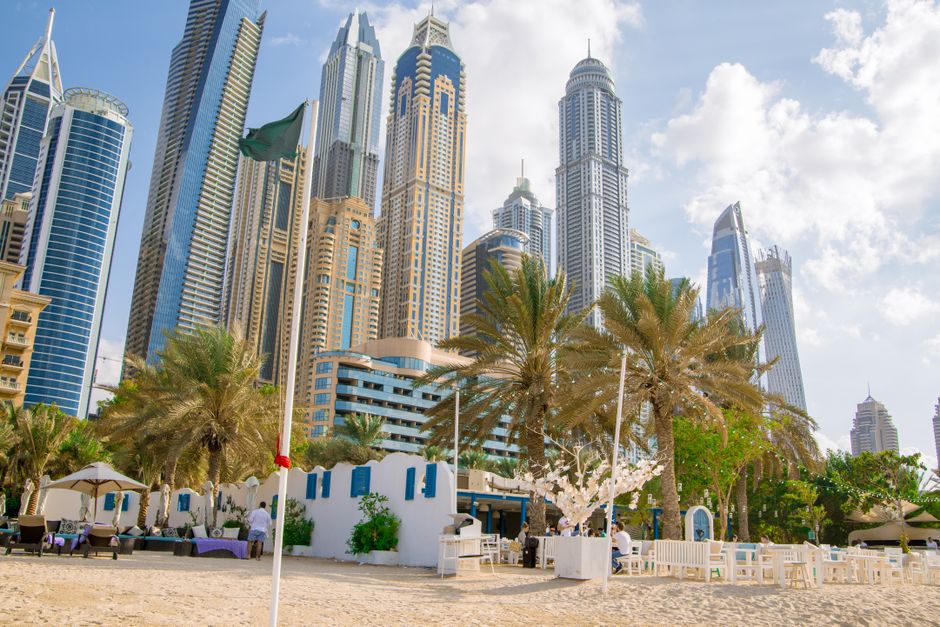
Dubai stands at a pivotal moment in its environmental journey. With the UAE's National Climate Change Plan 2017-2050 demanding a 23.5% reduction in carbon intensity by 2030, and the emirate already hosting world-class sustainability initiatives like Masdar Institute's research partnerships and the Dubai Clean Energy Strategy, officials must now navigate increasingly difficult trade-offs between growth and conservation.
The immediate challenge centres on cooling costs. Air conditioning accounts for roughly 40% of the emirate's peak electricity demand during summer months—a figure that continues climbing as temperatures exceed 50°C. The decision facing the Dubai Municipality and DEWA is whether to accelerate adoption of district cooling systems beyond existing networks in Business Bay and Downtown Dubai, or pursue aggressive building efficiency standards that could slow new construction along Sheikh Zayed Road and emerging developments in Jumeirah.
Water scarcity presents another fork in the road. Desalination currently powers 99% of Dubai's water supply, consuming vast quantities of energy. The next critical decision: should the emirate expand its recycled water infrastructure substantially—a costly but sustainable option—or continue optimising existing desalination plants? The recently announced expansion of Jebel Ali's wastewater treatment capacity hints at the former, but budget constraints may force a more measured approach.
Waste management remains contentious. Dubai generates approximately 24 million tonnes of construction waste annually, yet only a fraction is recycled. The landfill site in Margham faces capacity pressures within a decade. Decision-makers must soon determine whether to invest heavily in sorting and processing facilities, implement stricter construction waste mandates, or pursue controversial waste-to-energy incineration projects that environmental groups oppose.
Green spaces present their own dilemma. While initiatives like the expansion of parks along the Dubai Marina and the Deira Waterfront development promise improved biodiversity, they compete for prime real estate with lucrative commercial projects. The forthcoming masterplan for the Arabian Ranches expansion will test whether the municipality can enforce genuine conservation commitments or merely tick regulatory boxes.
Perhaps most significantly, Dubai must decide how aggressively to enforce sustainability standards among private developers. Recent trends suggest a softening of requirements during economic slowdowns, undermining long-term climate commitments. The next 18 months will reveal whether the emirate treats environmental goals as non-negotiable or negotiable based on market conditions.
These choices will reverberate across the Gulf. As the UAE's most visible city and a magnet for international investment, Dubai's decisions on sustainability will influence regional attitudes toward climate action for years to come.
This article was compiled by AI and screened before publishing. See our editorial standards.