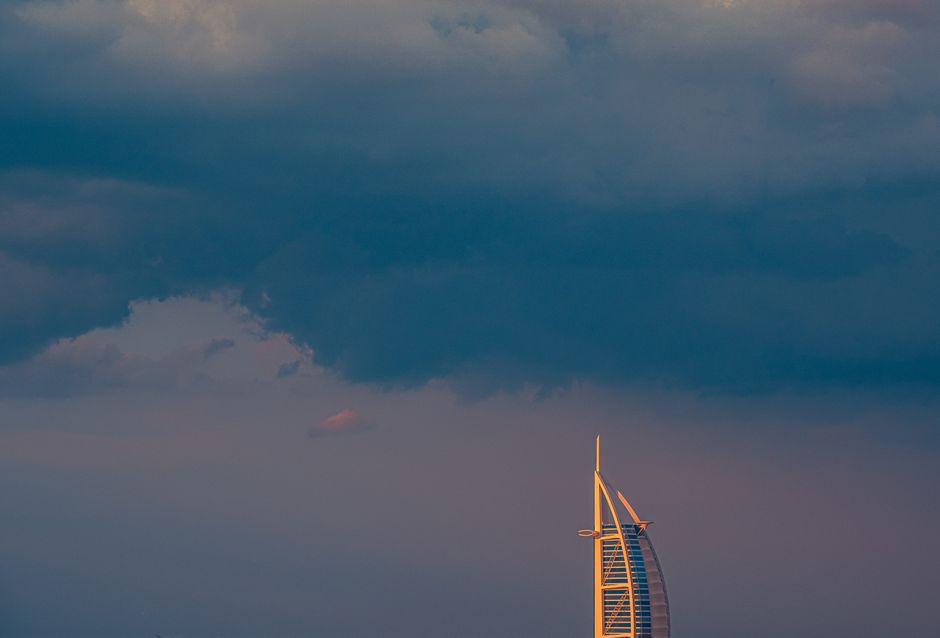
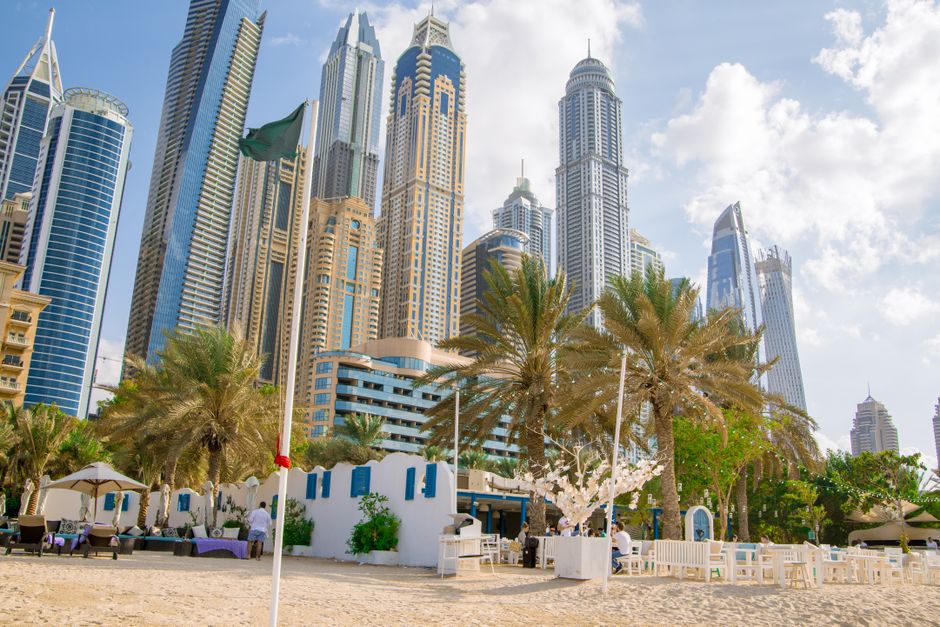
As migration pressures intensify across Europe, North America, and South Asia, Dubai stands as an unlikely case study in how cities can absorb and integrate large transient populations. With expatriates comprising 88 percent of the emirate's 3.6 million residents, the city's approach to managing cultural diversity differs markedly from peers like London, Toronto, and Singapore—though not without friction.
The numbers tell a stark story. Dubai's expat population has grown by over 400,000 residents in the past five years alone, yet social tensions remain relatively subdued compared to Western cities grappling with anti-immigration sentiment. Dr. Ahmed Al-Mazrouei, head of the Dubai Statistics Centre, attributes this partly to the emirate's explicit transactional approach: residents understand they are here temporarily, on visas tied to employment.
"Unlike cities where immigration is framed as permanent settlement, Dubai's model is different," explains urban sociologist at the American University of Dubai. "People come with clear expectations about duration and purpose."
Yet this model faces mounting pressure. Unlike London's NHS or Toronto's public welfare systems, Dubai provides minimal social safety nets for migrant workers. Labour camps in Sonapur and Jebel Ali house hundreds of thousands of low-wage workers living in conditions that would trigger outcry in Western cities. Recent reports by Human Rights Watch found that wage theft, overcrowding, and limited healthcare access remain persistent problems affecting estimated 1.5 million migrant workers across the UAE.
Meanwhile, Dubai's affluent expat communities—concentrated in areas like Downtown Dubai, Marina, and Emirates Hills—live in parallel worlds to construction and service workers. Average rents in Marina exceed AED 5,000 monthly, pricing out lower-income migrants entirely.
Where Dubai succeeds, however, is in institutional stability. The absence of electoral politics removes immigration from campaign rhetoric. English serves as the operational lingua franca across government and business. Community centres like the One&Only Royal Mirage host interfaith events and cultural celebrations that Singapore and Singapore have modelled, though such efforts remain largely elite-focused.
As global migration flows accelerate—driven by conflict in Pakistan and Afghanistan, economic collapse in Venezuela, and climate pressures worldwide—cities are watching Dubai's experiment closely. Canada's integration model emphasizes permanent residency; Germany is reconsidering refugee policies following recent violence; yet both struggle with social cohesion that Dubai appears to maintain.
The critical question remains: can Dubai's transactional approach sustain itself as demographic pressures mount and younger expat populations increasingly seek permanent roots? As the emirate approaches 5 million residents by 2030, that answer will shape not just Dubai's future, but global migration policy worldwide.
This article was compiled by AI from the sources linked above and screened before publishing. See our editorial standards.