Dubai's recent housing policy overhaul marks a pivotal moment for the emirate's 3.6 million residents. The new urban planning framework, which prioritizes mixed-income developments and stricter building density controls, signals a fundamental shift in how the city will grow—and who will be able to afford to live here.
The impact is already visible in neighborhoods undergoing transformation. Areas like Jebel Ali, traditionally dominated by industrial zones, are now designated for residential integration. Meanwhile, stricter regulations on villa developments in established communities like Arabian Ranches and Jumeirah Golf Estates aim to preserve green spaces and community cohesion. These aren't abstract policy changes—they directly affect property values, rental costs, and neighborhood character for the families and professionals calling Dubai home.
Consider the numbers. Average apartment rental costs in Downtown Dubai have climbed to AED 4,500-6,500 monthly for a one-bedroom unit. The new policies aim to introduce more affordable housing options in secondary locations like Dubailand and the expanded Jumeirah Lake Towers precinct. For young professionals and growing families, this matters profoundly. The policy encourages developers to allocate 20-25% of units in new projects as workforce housing, potentially easing pressure on entry-level buyers and renters.
Community infrastructure receives equal attention. New zoning regulations mandate that residential developments within 2 kilometers of major corridors like Sheikh Zayed Road and Al Khail Road must include dedicated spaces for schools, healthcare facilities, and public amenities. This addresses longstanding resident frustrations about overcrowded facilities and lengthy commutes to essential services.
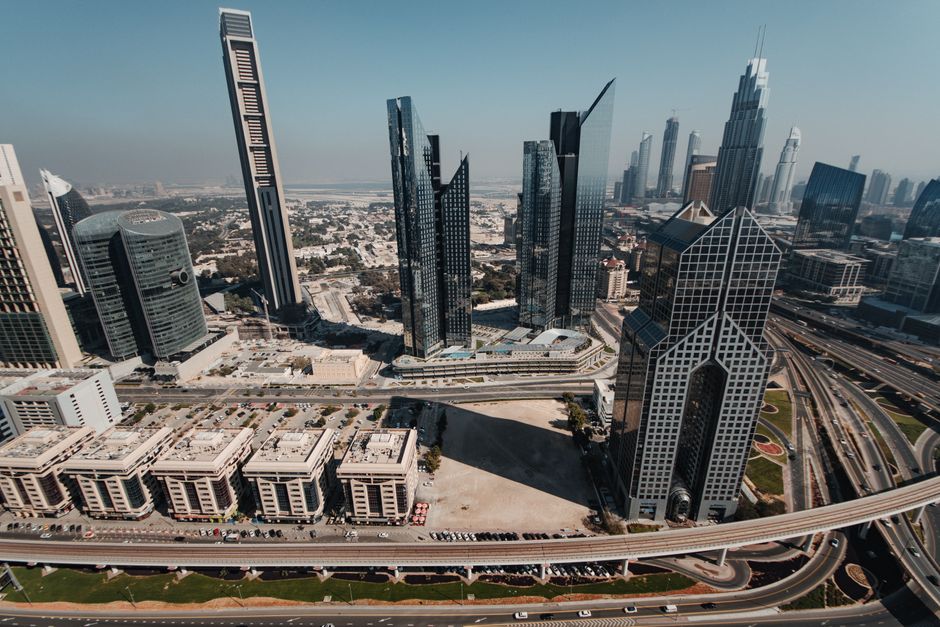
The decision to cap commercial space in mixed-use developments also reshapes daily life. Neighborhoods like Business Bay and DIFC will see reduced office expansion, redirecting focus to residential amenities and public spaces. For residents tired of congestion and urban sprawl, this represents a corrective measure toward livability.
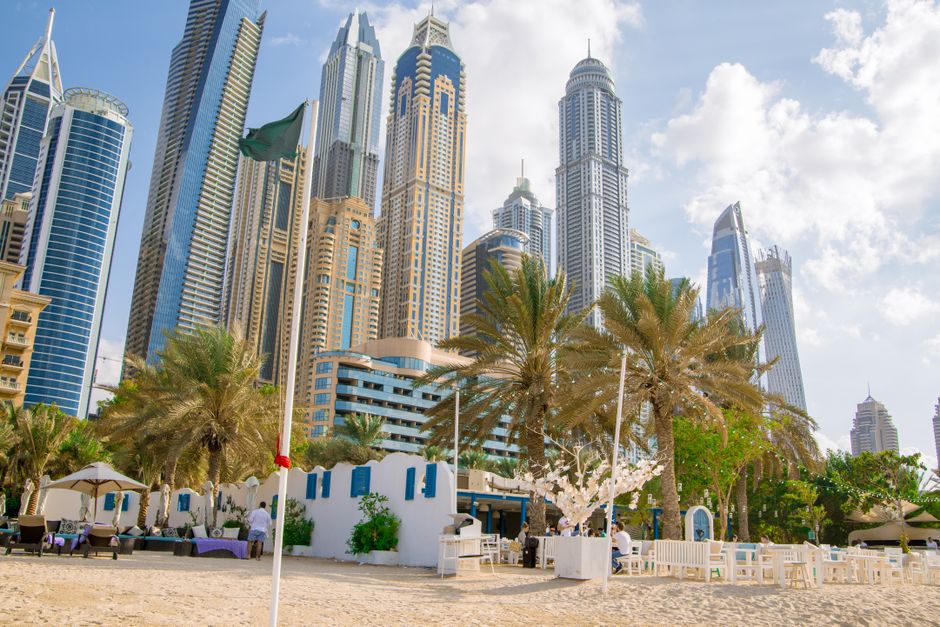
Environmental considerations underpin these decisions too. Restrictions on beachfront development and mandatory green corridors along Dubai Creek reflect growing recognition that sustainable urbanism serves everyone's interests—present and future residents alike.
The transition period presents challenges. Property investors face uncertainty; some developments will require redesign. Construction timelines may extend. Yet for ordinary Dubai residents—the teachers, nurses, engineers, and entrepreneurs building lives here—these policies offer promise. They suggest planners are finally prioritizing livability alongside growth, affordability alongside development, and community over unbridled expansion.
The next 18 months will prove critical. Implementation transparency and genuine stakeholder engagement will determine whether this blueprint delivers equitable, sustainable growth or becomes another missed opportunity.
This article was compiled by AI from the sources linked above and screened before publishing. See our editorial standards.