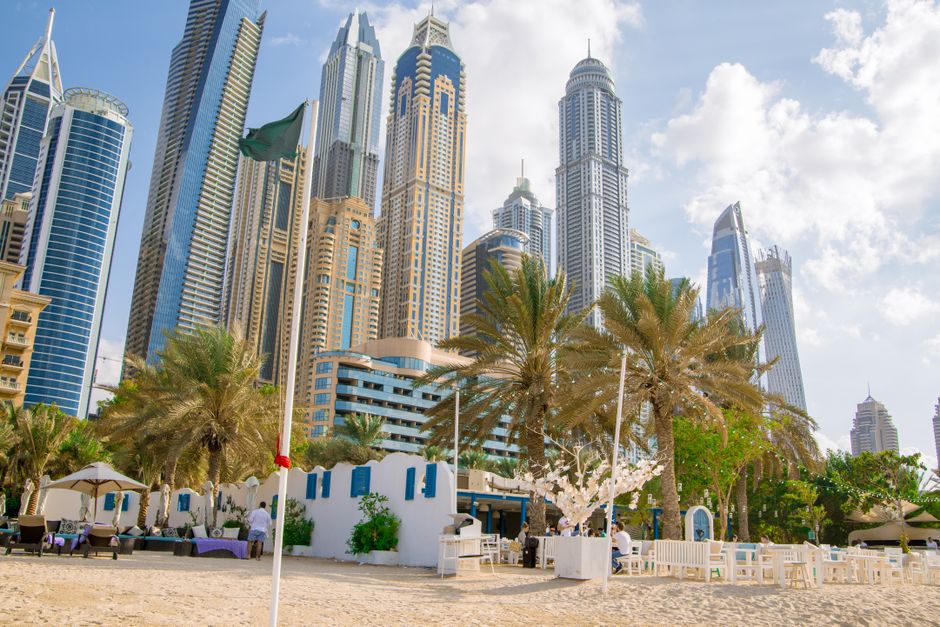
Dubai stands at a crossroads. With residential property prices in prime locations climbing 23 per cent year-on-year and median rents for one-bedroom apartments in Downtown Dubai now exceeding AED 5,500 monthly, the city's housing machinery is grinding under unprecedented pressure. Over the next 18 months, the Dubai Municipality and the Real Estate Regulatory Agency will make three critical decisions that could either ease the crisis or entrench it further.
The first battleground is vertical density. The Dubai Urban Planning Department is currently reviewing zoning restrictions that have capped building heights in neighbourhoods like Al Baraha and Deira at 15 storeys. Planners are quietly examining whether relaxing these limits—potentially to 25 storeys—could unlock hundreds of additional units without consuming the sprawl-prone expansion pattern that has defined Dubai's growth. The mathematics are compelling: a single tower conversion in Deira could theoretically house 500 families in the footprint currently occupied by low-rise villas.
Second is the satellite strategy. The government's emerging preference for extending metro connectivity and mixed-use developments to Expo City and areas around Mohammed Bin Rashid City presents an alternative: absorbing population growth away from saturated zones. Officials are evaluating whether infrastructure investment—anticipated at billions of dirhams—in these peripheral zones can genuinely compete with the convenience of established communities. Early data from residents suggests distance, not price, remains the primary objection to relocating.
The third decision concerns affordability mandates. Dubai currently lacks mandatory inclusionary zoning policies that require developers to set aside units for lower-income residents. The Real Estate Regulatory Agency is examining whether introducing such requirements—potentially forcing 10-15 per cent of new projects to include capped-price units—is administratively feasible or would simply push developers away from residential altogether.
Timing matters urgently. Population forecasts suggest Dubai will add 400,000 residents by 2030. Without intervention, housing shortages will deepen, and the social contract that has underpinned the emirate's stability may fracture. Construction costs remain elevated, labour availability is constrained, and financing appetite from developers is cautious.
The next municipal council session, scheduled for July, will preview the government's preferred direction. Observers expect a hybrid approach: selective densification in older neighbourhoods paired with satellite expansion, likely with modest affordability components designed to appease critics without imposing undue burden on developers. Whether this cautious middle path proves sufficient remains the defining question for Dubai's next decade.
This article was compiled by AI and screened before publishing. See our editorial standards.