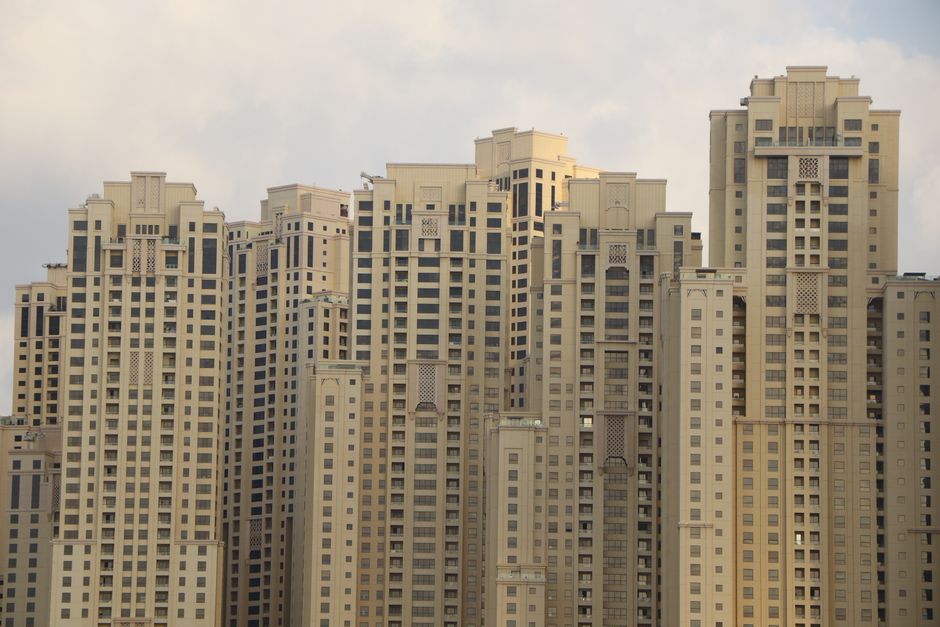
Dubai's rental landscape is undergoing a quiet but significant rebalancing. After years of landlord dominance, shifting vacancy patterns across neighbourhoods like Jumeirah Lake Towers, Deira, and emerging communities are creating unexpected breathing room for tenants—though the picture remains starkly different depending on where you're looking.
The numbers tell an interesting story. While Downtown Dubai and Palm Jumeirah luxury units maintain near-full occupancy, mid-range communities are experiencing notable softness. JBR's waterfront appeal has insulated it relatively well, but secondary clusters—particularly around JVC and older pockets of Deira—are seeing landlords compete more aggressively for quality tenants. Recent transactions averaging AED 1,600 per square foot across the emirate mask this granularity entirely.
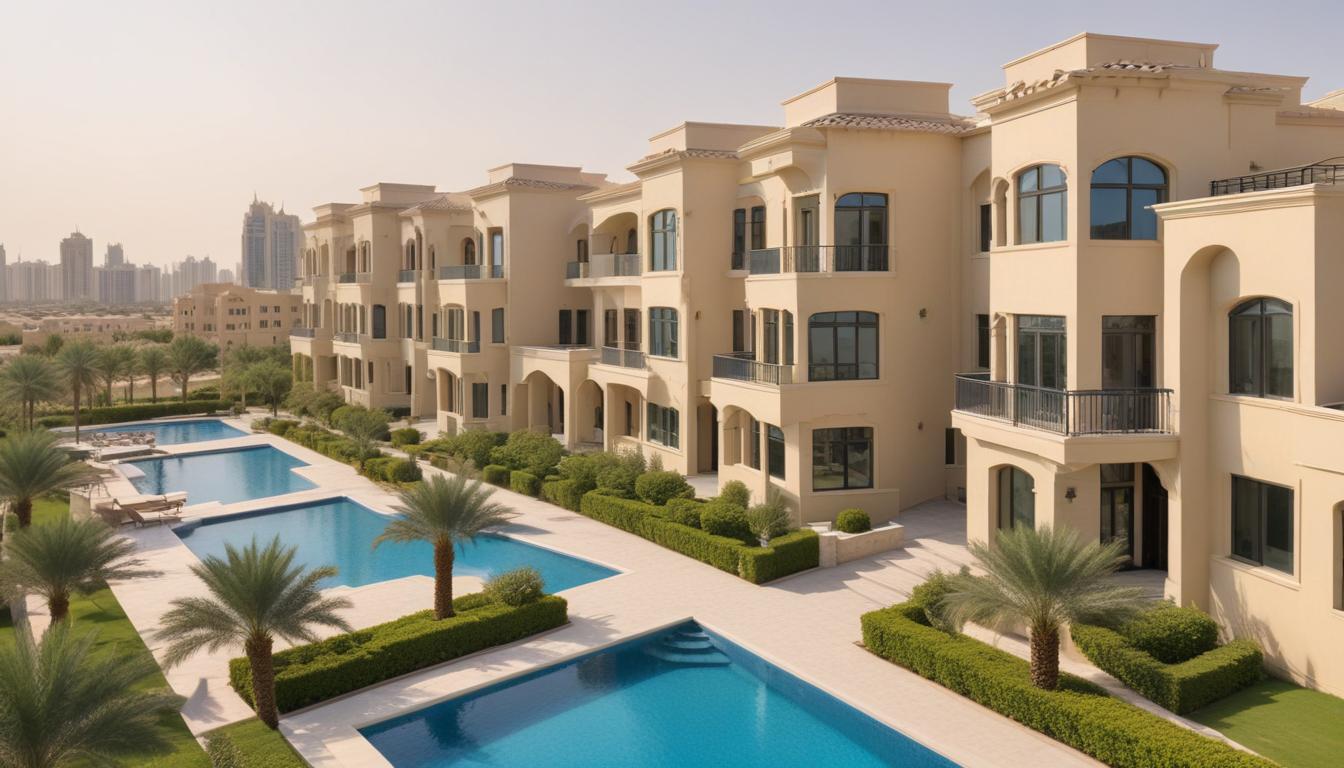
For tenants, this shift translates to genuine negotiating power. Rental increases, once automatic, are now contestable. A two-bedroom villa in Arabian Ranches or a studio in Barsha Heights that would have commanded a 5-7 per cent annual bump two years ago now faces resistance. Landlords are offering lease flexibility, waived fees, or furnished upgrades rather than risk vacancy. The golden visa programme, which initially drove demand upward, has matured—existing residents aren't being displaced as rapidly, reducing churn that once favoured owners.
Yet landlords aren't powerless. Property managers report that while incentives matter, tenant quality has become the compensating factor. Owners willing to absorb modest rental stagnation now prioritise stable, long-term occupants over chasing peak rents. Insurance, maintenance costs, and regulatory compliance have tightened margins enough that turnover costs exceed short-term yield gains.
Real complications persist. First-time renters navigating Ejari registration, security deposits, and lease interpretation still face opacity. Community service centres help, but awareness varies. Simultaneously, landlords managing portfolios across Marina, Business Bay, and emerging zones like Expo City struggle with fragmented tenant bases and inconsistent demand signals.
The inflection point appears structural rather than cyclical. Population growth continues, but new supply in areas like Jumeirah Village Circle and Mohammed Bin Rashid City is coming online steadily, fragmenting the monopolistic rental leverage older communities once held. International arrivals—drawn by 10-year visas—aren't filling every unit, and downsizing families are trading space for location or cost savings.
For property investors and residents alike, the takeaway is clear: generalised market wisdom no longer applies. Neighbourhood dynamics, unit type, and amenity proximity now dictate rental outcomes far more than headlines suggest. The era of automatic rent growth is ending. Smart participants—tenants and owners—are already adapting accordingly.
This article was compiled by AI from the sources linked above and screened before publishing. See our editorial standards.