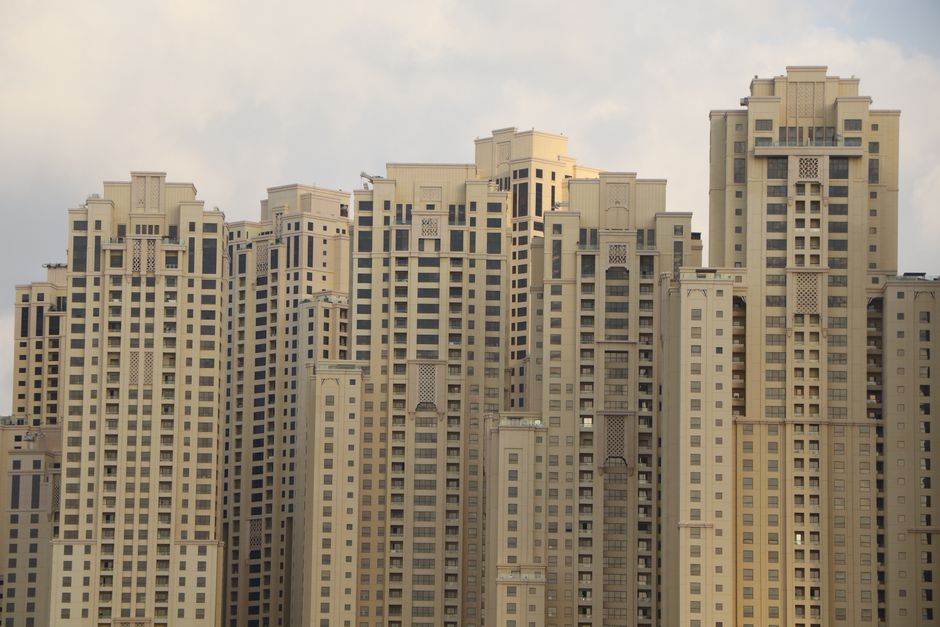
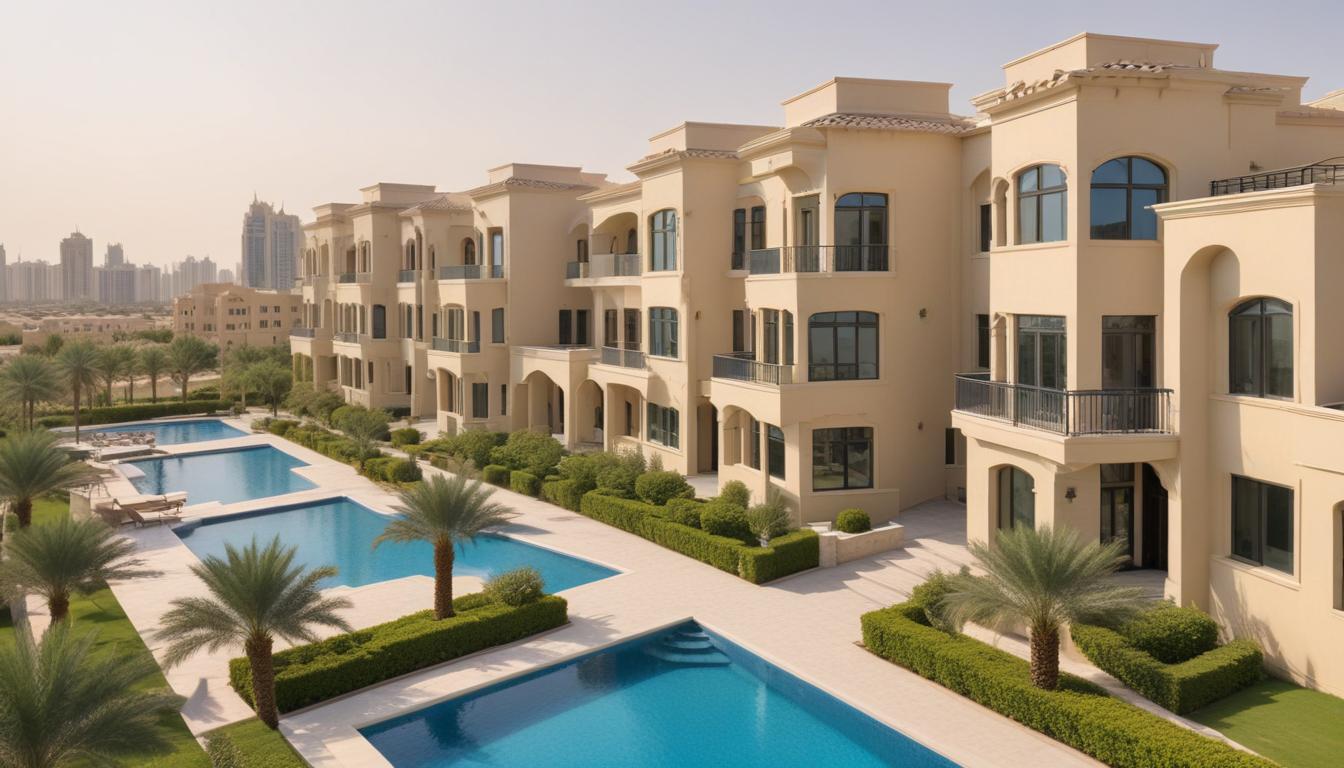
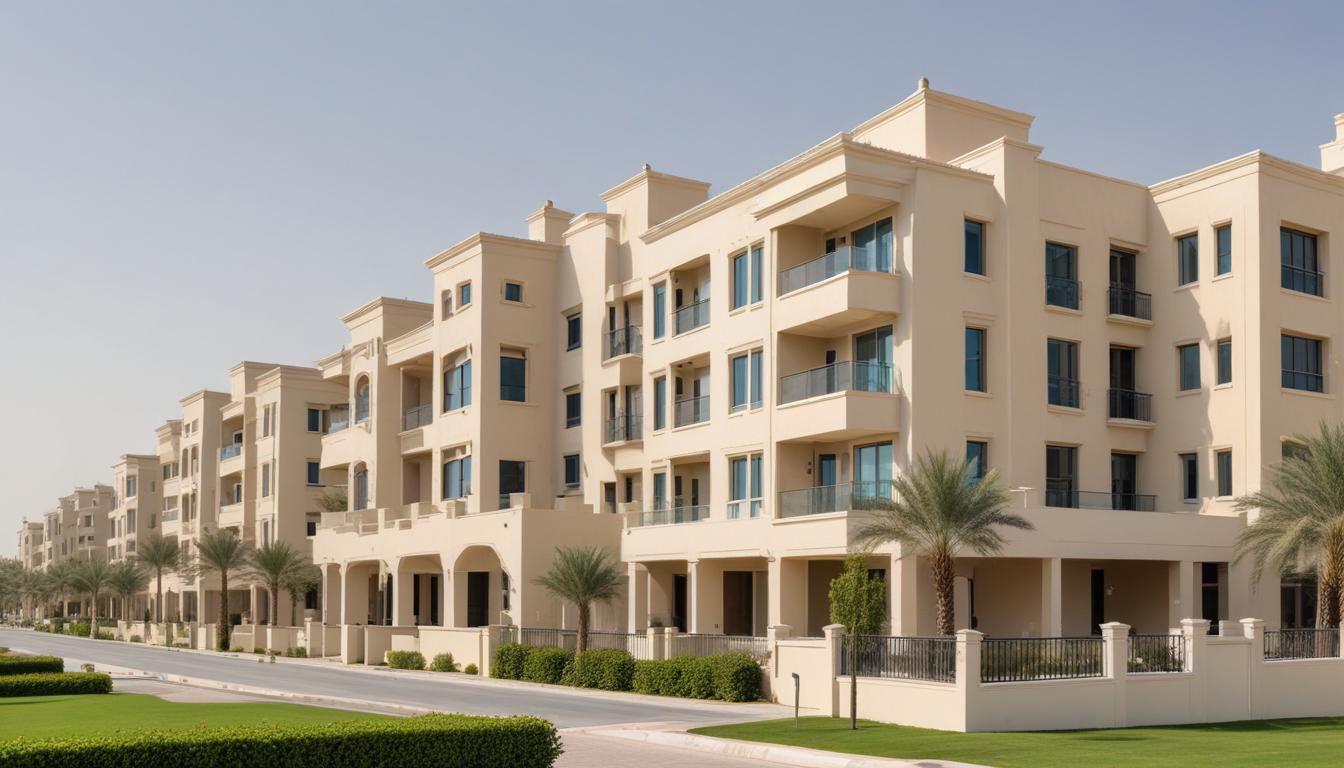
For years, Arjan occupied an unglamorous corner of Dubai's property map. Tucked between Jebel Ali and Mina Jebel Ali, this mixed-use neighbourhood was synonymous with light industrial operations and modest villa communities. Yet in 2026, a quiet revaluation is reshaping investor sentiment, and early movers are capturing yields that make traditional hotspots look pedestrian by comparison.
The numbers tell the story. While Downtown and Palm Jumeirah command premium rents anchored to luxury lifestyle premiums, Arjan's rental yields currently hover between 6.5 and 7.2 percent—nearly half a percentage point above the Dubai average of 1,600 AED per square foot. A two-bedroom apartment in Arjan's newer residential clusters rents for 65,000–75,000 AED annually, with purchase prices averaging 950,000–1.1 million AED. The maths work.
Several factors are converging to unlock Arjan's potential. First, the golden visa initiative has expanded the pool of long-term resident seekers, and Arjan's proximity to business zones attracts entrepreneurs and corporate expats who prioritise functionality over postcode prestige. Second, ongoing infrastructure improvements—including enhanced Road 328 connectivity and proximity to the upcoming Arjan Metro connection (projected completion 2027)—are reducing travel friction to Downtown and Sheikh Zayed Road employment hubs. Third, developer activity remains robust. Recent launches by mid-tier builders have introduced contemporary layouts with community amenities, moving Arjan beyond its purely industrial identity.
For landlords, the neighbourhood presents distinct advantages. Tenant demand skews stable and professional; turnover is predictable rather than speculative. Property management costs remain competitive, and the absence of luxury-market volatility translates to easier forecasting for yield-focused portfolios. Several investors are deploying a dual strategy: acquiring 1–2 bedroom units for immediate rental income while holding land parcels for longer-term appreciation as metro connectivity and retail infrastructure mature around retail anchors like Dragon Mart and the growing commercial strip along Street 30A.
The catch? Arjan lacks the brand magnetism of JBR's waterfront or JVC's family-oriented branding. Liquidity matters less for buy-and-hold investors, but exit strategies require patience and realistic pricing expectations. The neighbourhood also battles perception: investors conditioned to equate luxury addresses with security may overlook fundamentals.
Yet that hesitation is precisely what creates opportunity. As Dubai's property cycle accelerates and golden visa holders seek practical, yield-accretive investments, Arjan's moment has arrived. For landlords willing to pivot from prestige to performance, the returns are speaking louder than postcodes.
This article was compiled by AI from the sources linked above and screened before publishing. See our editorial standards.