Dubai's property auction market is telling two very different stories this quarter, with luxury villa sales in Emirates Hills and Palm Jumeirah significantly outpacing middle-market apartments across less-established communities.
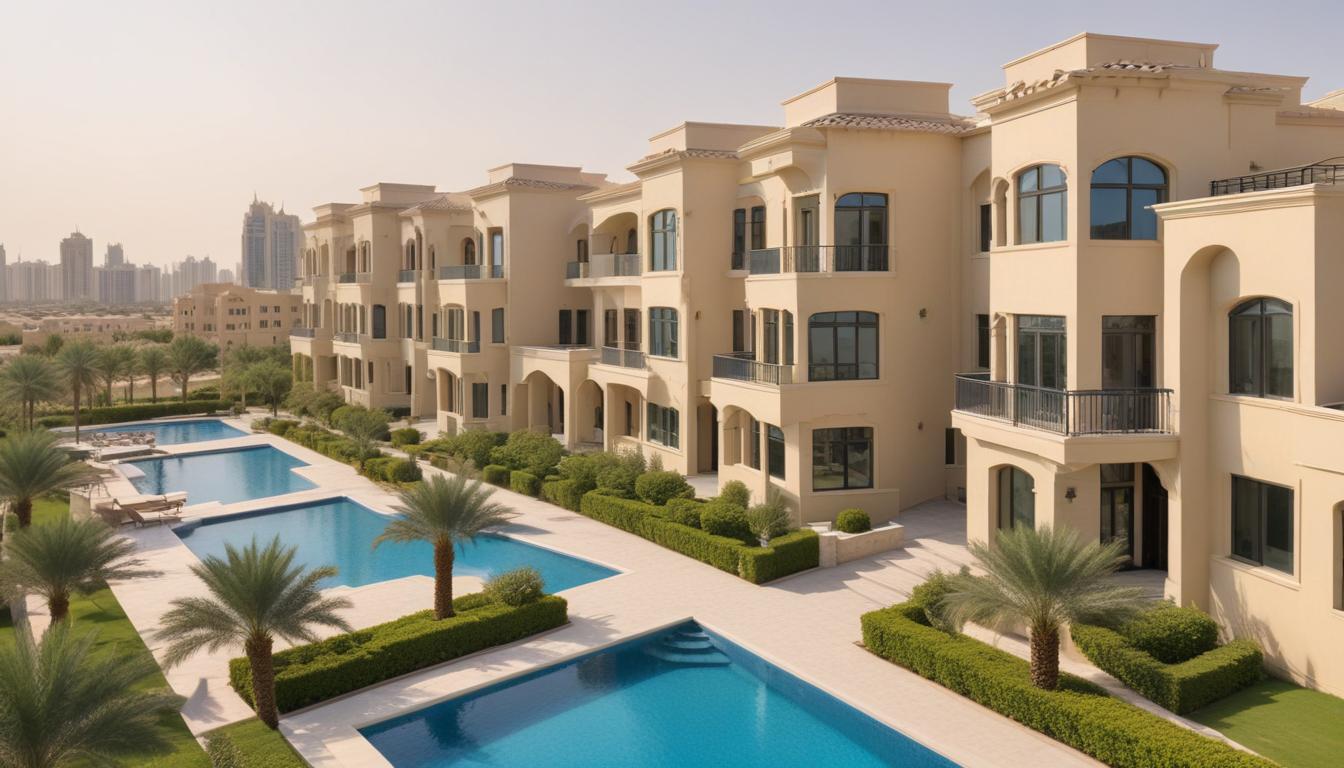
Latest auction data reveals a 67% clearance rate for premium residential properties above AED 3 million (approximately AUD 1.2 million), up from 58% in the same period last year. The standout performer has been the Emirates Hills precinct, where recent auctions saw three waterfront villas clear reserve in consecutive weeks, with one 5-bedroom property fetching AED 8.9 million against an opening bid of AED 7.5 million.
"We're witnessing a distinct bifurcation in the market," explains Fatima Al-Mansouri, head of auction analytics at Dubai Property Insights. "International investors are increasingly consolidating around established, trophy addresses while newer developments struggle to attract comparable interest."
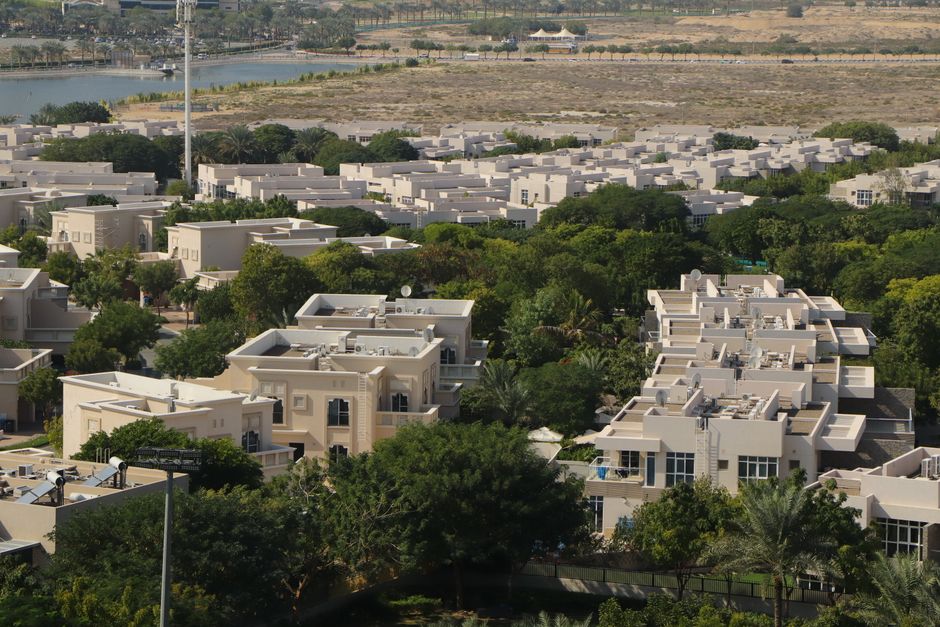
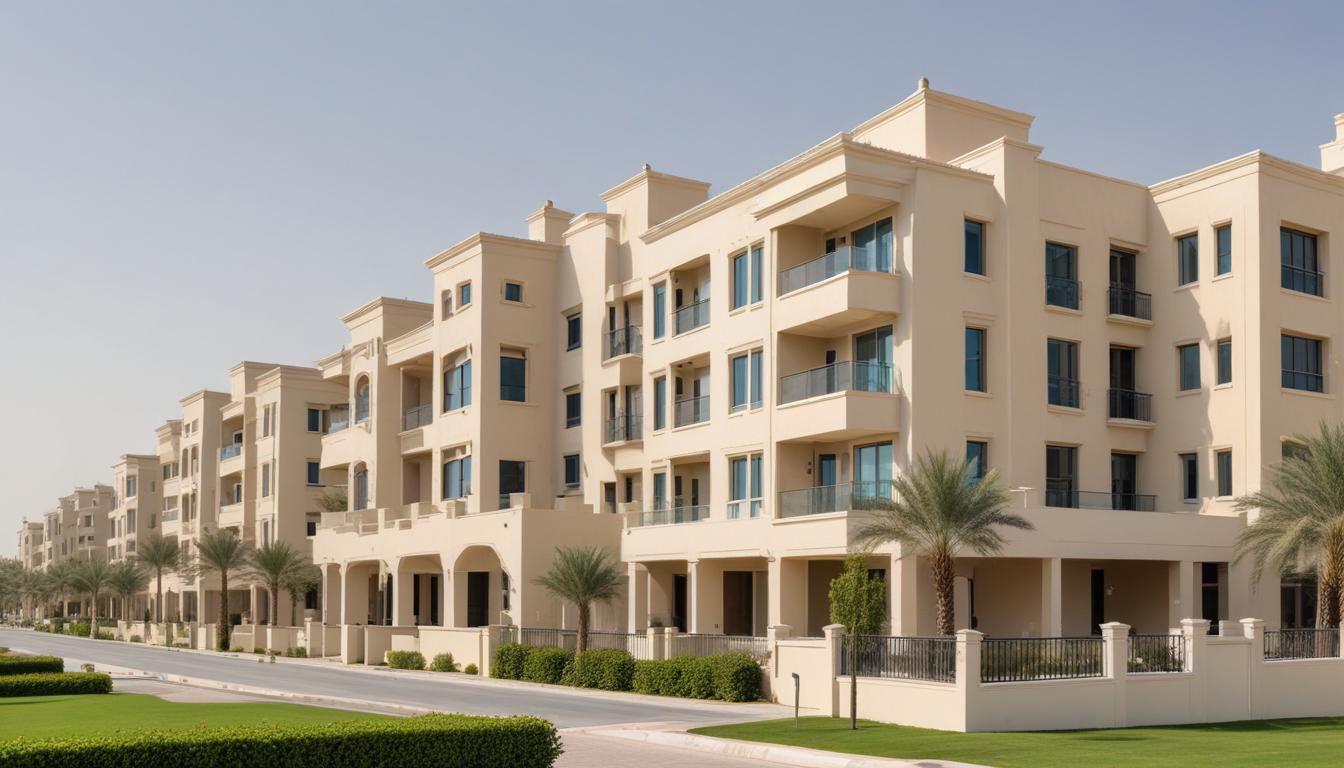
The contrast is stark when examining mid-range inventory. Properties in emerging communities like Arabian Ranches 3 and Damac Hills 2 recorded just 43% clearance rates, with average price realisations sitting 8-12% below initial valuations. One 3-bedroom townhouse in Arabian Ranches 3 failed to meet reserve at AED 1.85 million despite pre-auction promotion suggesting stronger appetite.
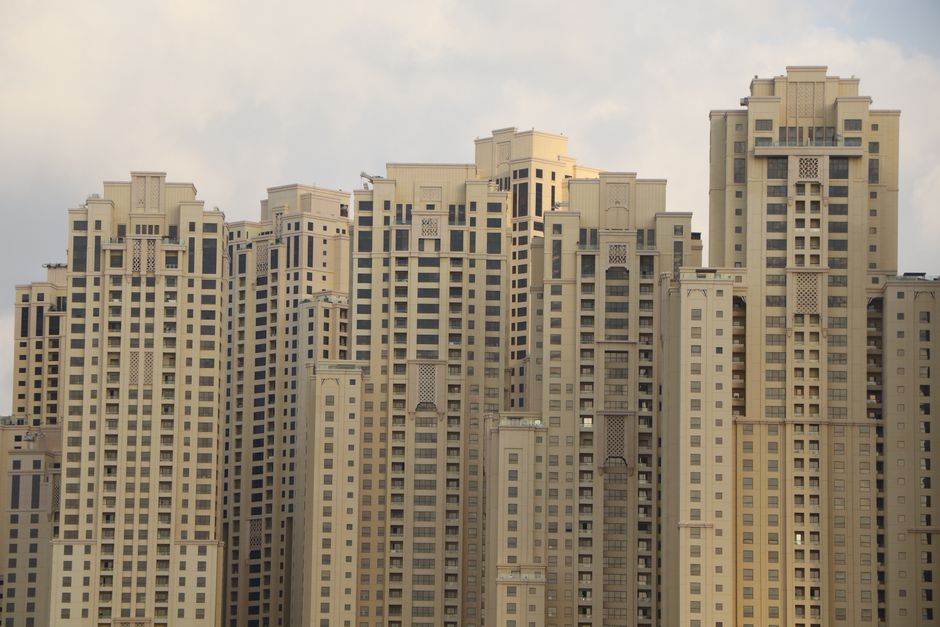
Downtown Dubai's apartment market sits in the middle ground, with a 54% clearance rate. Recent auctions for studio and 1-bedroom units in the Burj Khalifa precinct achieved AED 650,000-890,000 respectively, reflecting sustained demand from international owner-occupiers and Gulf investors seeking trophy addresses.
The Palm Jumeirah segment has emerged as an unexpected bright spot, with waterfront apartments and townhouses recording 61% clearance rates. A recently auctioned 4-bedroom villa on the main trunk road sold for AED 12.3 million, representing a 4% premium over reserve – a rarity in current conditions.
Market analysts attribute the divergence to several factors: strengthening economic fundamentals in the luxury sector, limited supply of premium stock, and cautious international buyer sentiment toward oversupply risks in mid-market segments. Additionally, the recent completion and stabilisation of several flagship developments has redirected investor focus toward established neighbourhoods with proven rental yields and capital appreciation track records.
For potential sellers, the data suggests timing remains critical. Properties in tier-one locations are attracting multiple bidders and achieving competitive outcomes, while mid-market vendors may need to recalibrate pricing expectations or consider alternative sales channels entirely. The auction market is increasingly functioning as a clearinghouse for premium assets, whilst traditional private sales mechanisms continue to dominate the broader residential marketplace.
This article was compiled by AI from the sources linked above and screened before publishing. See our editorial standards.