What Dubai's Price Data and Auction Results Are Signalling to Landlords
A shift in clearance rates and land valuations reveals smart investors where yield opportunities—and risks—lie across emirates.
A shift in clearance rates and land valuations reveals smart investors where yield opportunities—and risks—lie across emirates.
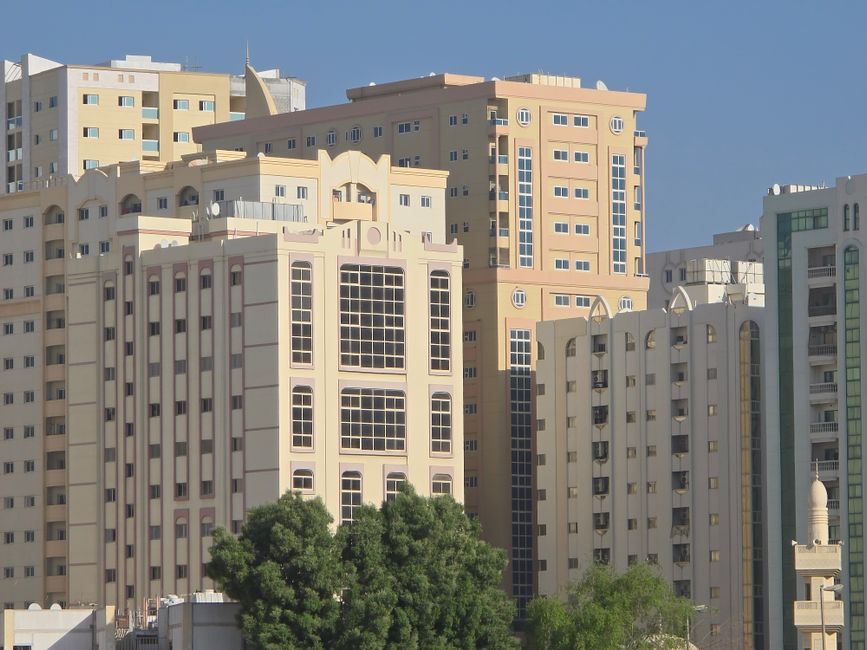
Dubai's property market is sending mixed signals, and savvy landlords are learning to read them carefully. Recent auction data shows a divergence worth watching: while land parcels are fetching near–AED 2 million despite lower clearance rates, residential yields in established rental zones remain under pressure from oversupply and shifting tenant demographics.
The headline contradiction—strong land prices amid weaker auction clearance—suggests institutional buyers and developers are betting on future appreciation in underdeveloped pockets, even as traditional buy-to-let investors face margin compression. For residential landlords, the message is stark: location and tenant profile matter more than ever.
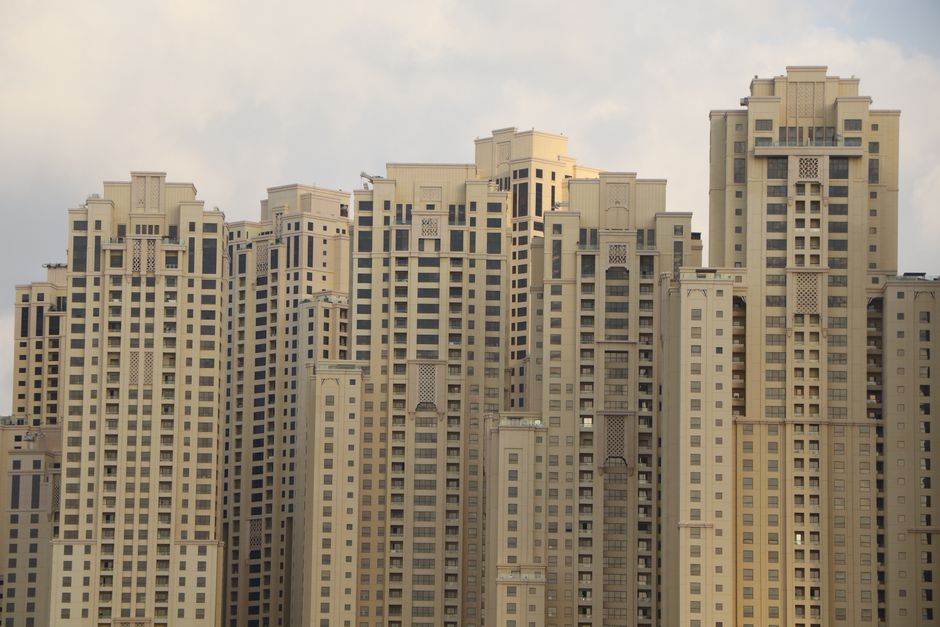
Downtown Dubai and Palm Jumeirah continue to command premium rents, with luxury units averaging AED 1,600 per square foot and higher occupancy rates. However, the waterfront JBR corridor, once a reliable mid-to-upper-tier yield engine, is experiencing rental softness as new supply from nearby projects saturates the market. Real estate professionals tracking transaction data note that clearance rates for apartments in JBR have dropped noticeably compared to 2024, signalling that landlords are pricing optimistically for a slower-moving tenant pool.
The mid-range sectors—Jumeirah Village Circle and Jumeirah Lake Towers—present a different picture. Yields remain steadier here, partly because tenant turnover is higher and rents are more agile to market conditions. Data from recent property transactions suggest JVC and JLT investors achieved rental growth of 3–5 per cent year-on-year, outpacing broader market trends. The 10-year golden visa programme continues to drive demand for these communities, particularly among mid-career expat families seeking value and amenity access.
Landlords should heed three signals from current market behaviour. First, vacant land appreciation is outpacing residential rental yields—a sign that capital appreciation, not income, is driving top-line returns. Second, clearance rate declines in premium zones indicate buyer fatigue at certain price points; landlords holding luxury units should review expectations. Third, visa-driven communities like JVC and JLT are outperforming on rental stability, suggesting demographic tailwinds favour mid-market segments over luxury.
The regulatory environment remains supportive: rent caps remain absent, and transaction transparency through the Dubai Land Department continues to improve. But the data is clear: yields are no longer homogeneous across Dubai. Successful landlords are migrating capital toward communities with structural demand drivers and away from oversupplied luxury towers.
The auction room is speaking. The question is whether landlords are listening.
This article was compiled by AI from the sources linked above and screened before publishing. See our editorial standards.
How does this story make you feel?
Spread the word
About this article
Published by The Daily Dubai
Daily brief
Free, in your inbox before 7am. Weekdays.
More in Property