Dubai's construction pipeline has quietly shifted. New residential approvals across mid-range and luxury segments are accelerating, but the headline rental yields tell a more nuanced story than many investors assume.
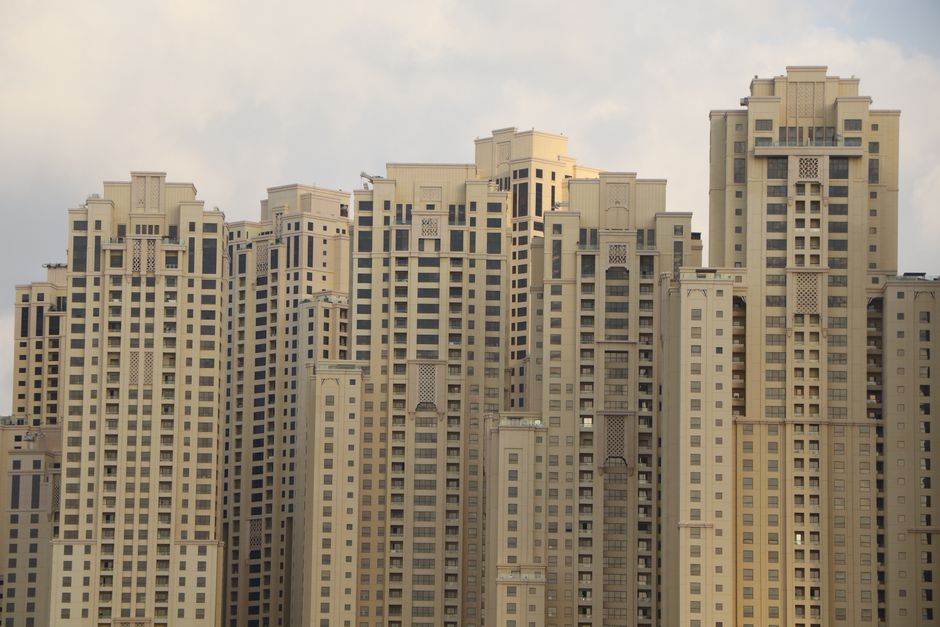
Data from recent project launches in Jumeirah Lake Towers and The Hills cluster shows average rental yields hovering between 4.2 and 5.1 percent—down from the 5.5 to 6.2 percent range investors enjoyed three years ago. Yet purchase prices have remained largely flat, averaging AED 1,600 per square foot citywide. The mathematics are simple: yield compression is real.
Consider what's happening on the ground. A two-bedroom apartment in JLT's newer clusters typically sells for AED 1.1 to 1.25 million, renting for AED 50,000 to AED 55,000 annually. Similar units in Dubai Hills Estate command AED 1.4 to 1.6 million with rents of AED 65,000 to AED 72,000. Both scenarios yield below five percent when transaction costs and maintenance fees are factored in—a reality that contradicts earlier 2024 marketing projections.
Approval trends reveal why. Three major residential towers received final permits across Business Bay and Downtown Dubai in Q2 alone, introducing approximately 1,200 units to a market already hosting 20,000-plus units under construction. The supply-yield relationship is unmistakable. More stock dilutes rental premiums.
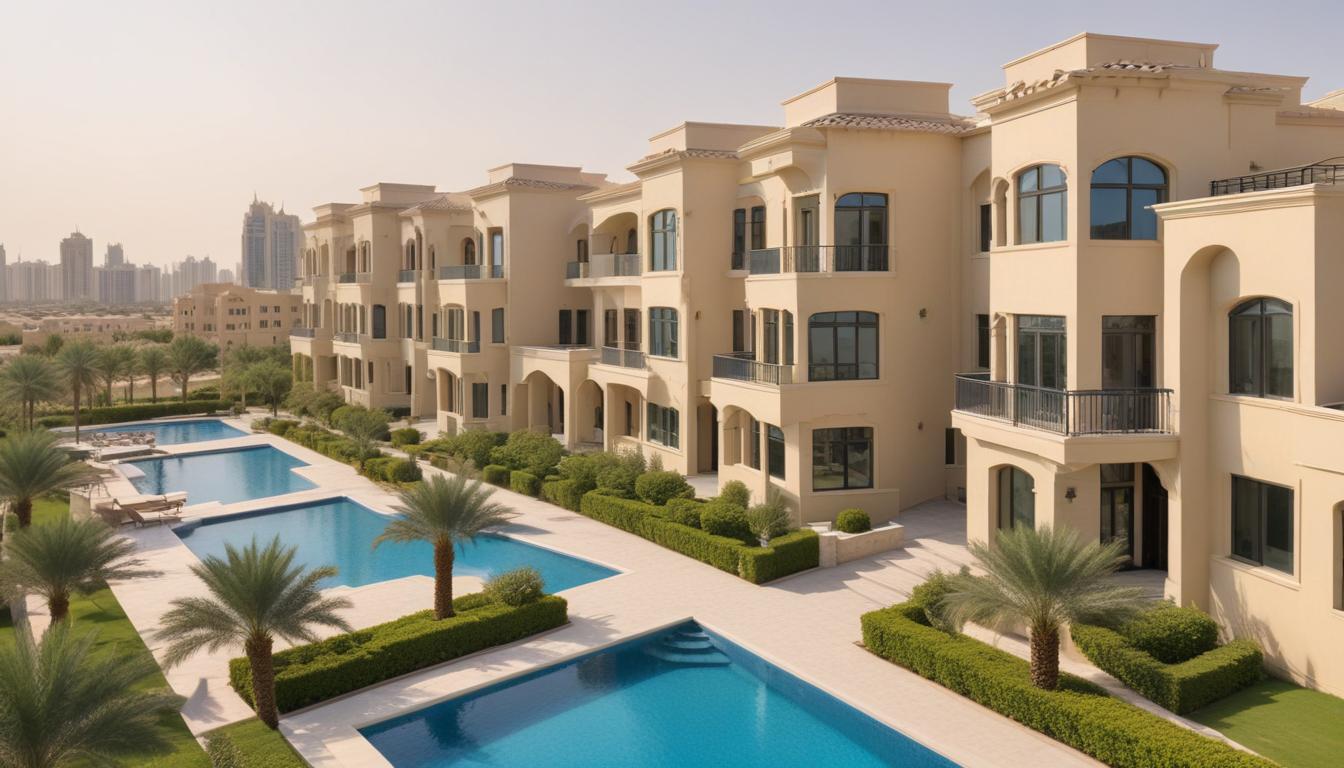
Yet the narrative isn't uniformly bearish. Developments targeting the 10-year golden visa demographic—particularly villas in Arabian Ranches III and townhouses along Umm Suqeim—are outperforming predictions. These assets combine lifestyle prestige with capital appreciation expectations, attracting investors willing to accept lower headline yields in exchange for perceived stability and long-term growth.
The Ras Al Khaimah spillover effect also warrants attention. As approval timelines shorten and costs decrease in the northern emirates, some traditional Dubai investors are redeploying capital. This creates a subtle headwind for mid-tier Dubai yields, though premium Downtown and Palm Jumeirah properties remain largely insulated.
What do the numbers actually show? That Dubai's investor market is segmenting decisively. Yield-chasing capital now requires either entry-level studio portfolios in emerging clusters—where yields briefly spike at 5.5 to 6 percent before normalization—or strategic allocation toward villa communities with capital growth tailwinds. The middle ground of conventional apartment yields is compressing steadily.
Smart investors tracking new approvals should focus less on yield announcements and more on supply velocity. When municipality data shows 18-month approval-to-handover cycles, factoring real returns becomes possible. Until then, numbers on glossy brochures and actual investor outcomes remain living in parallel universes.
This article was compiled by AI from the sources linked above and screened before publishing. See our editorial standards.