Dubai's Rental Market Reality: What Investor Yields Reveal About Returns Today
As vacancy rates shift across key districts, new data shows which neighbourhoods still deliver strong rental income—and where yields have compressed.
As vacancy rates shift across key districts, new data shows which neighbourhoods still deliver strong rental income—and where yields have compressed.
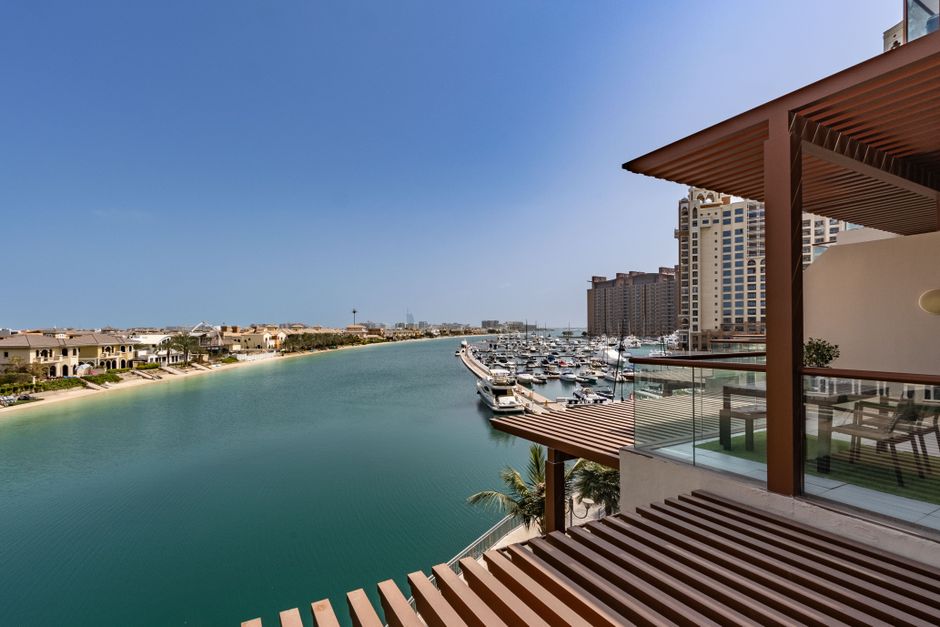
Dubai's rental market is sending mixed signals to property investors. While headline vacancy rates have edged upward to 5–7% across prime locations, the income story remains resilient for those holding assets in the right postcodes.
The numbers paint a nuanced picture. In Downtown Dubai and Palm Jumeirah, where average rental yields hover around 4–5% annually, occupancy remains consistently tight. A two-bedroom apartment in Downtown commands roughly AED 180,000–220,000 per annum, against purchase prices averaging AED 1.2–1.5 million. That's a tight but stable return for capital-heavy buys. The trade-off: limited upside. These are trophy holds, not income plays.
The real opportunity lies in mid-range corridors. Jumeirah Village Circle and Jumeirah Lake Towers have emerged as yield darlings for institutional and independent investors. JVC studios are renting at AED 45,000–55,000 annually against purchase costs of AED 600,000–700,000, delivering 7–8% gross yields. JLT waterfront properties near the marina and retail strips are similarly competitive, with three-bedroom townhouses returning 6.5–7.5%. These neighbourhoods benefit from sustained expat demand, proximity to employment hubs, and younger tenant demographics with lower churn.
JBR's beachfront corridor tells another story. Once a yield fortress, vacancy has ticked upward to 6–8% as newer supply in areas like Dubai Sports City and Mirdif comes online. Investors holding older stock here are experiencing mild compression, with yields dropping from 5.5% to 4.8% year-on-year. Recovery hinges on occupancy stabilisation, not rental growth.
The 10-year golden visa programme has reshaped demand patterns. Longer-term lease commitments from visa-eligible professionals have reduced tenant churn and supported rental stability in business-friendly zones near Downtown, DIFC, and the marina. This structural shift favours buy-to-rent strategies over speculative flips.
What does this mean for investors in mid-2026? Gross yields alone mask the full picture. Net returns—after maintenance, agent fees, and broker costs—typically run 1–1.5 percentage points lower. A 7% JVC yield becomes 5.5% net. Yet, capital appreciation remains modest across most districts, averaging 2–3% annually. Smart money is targeting stabilised assets with strong operational management in JVC, JLT, and emerging pockets of Mirdif, rather than chasing headline prices in saturated luxury precincts. The data suggests patience and selectivity, not panic.
This article was compiled by AI from the sources linked above and screened before publishing. See our editorial standards.
How does this story make you feel?
Spread the word
About this article
Published by The Daily Dubai
Daily brief
Free, in your inbox before 7am. Weekdays.
More in Property