Dubai's rental market is sending mixed signals to first-time property buyers. As average rents stabilise around AED 1,600 per square foot across the emirate, the pressure on both tenants and landlords is reshaping how young professionals approach homeownership finance.
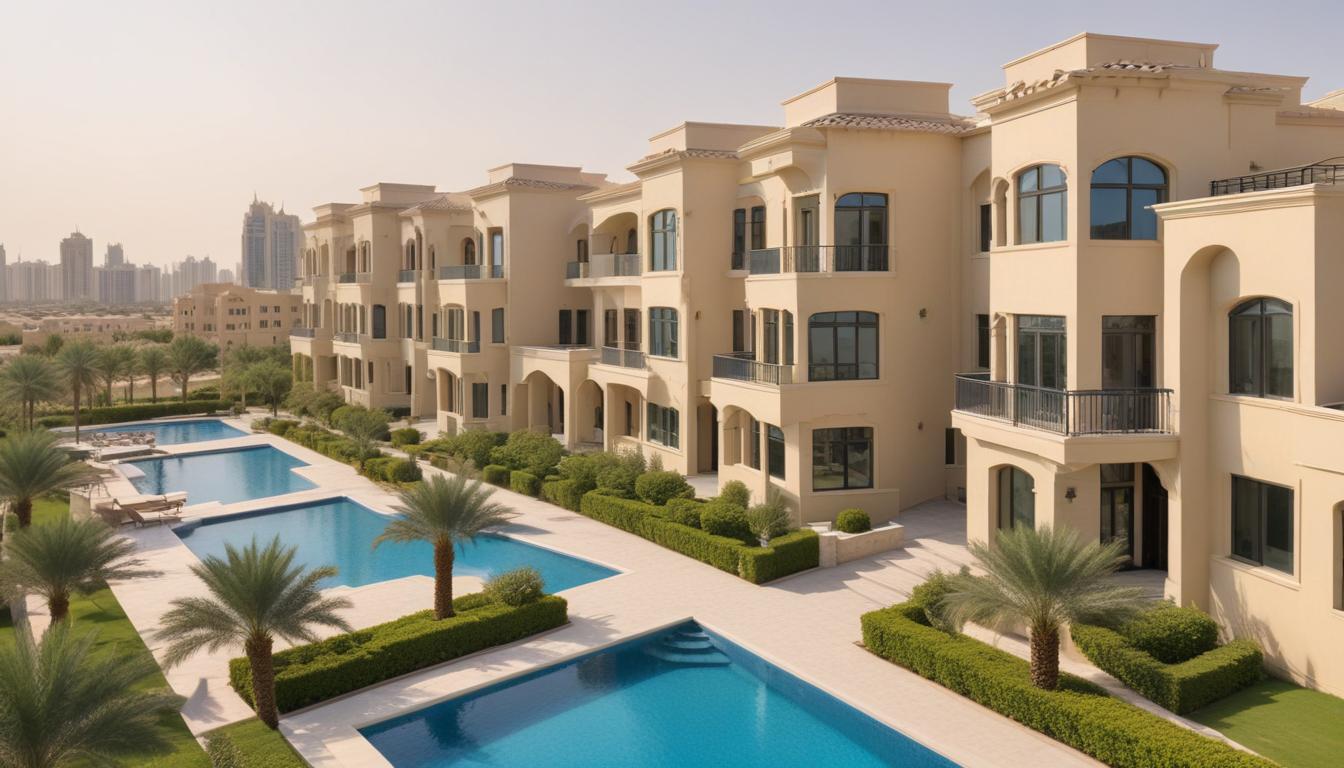
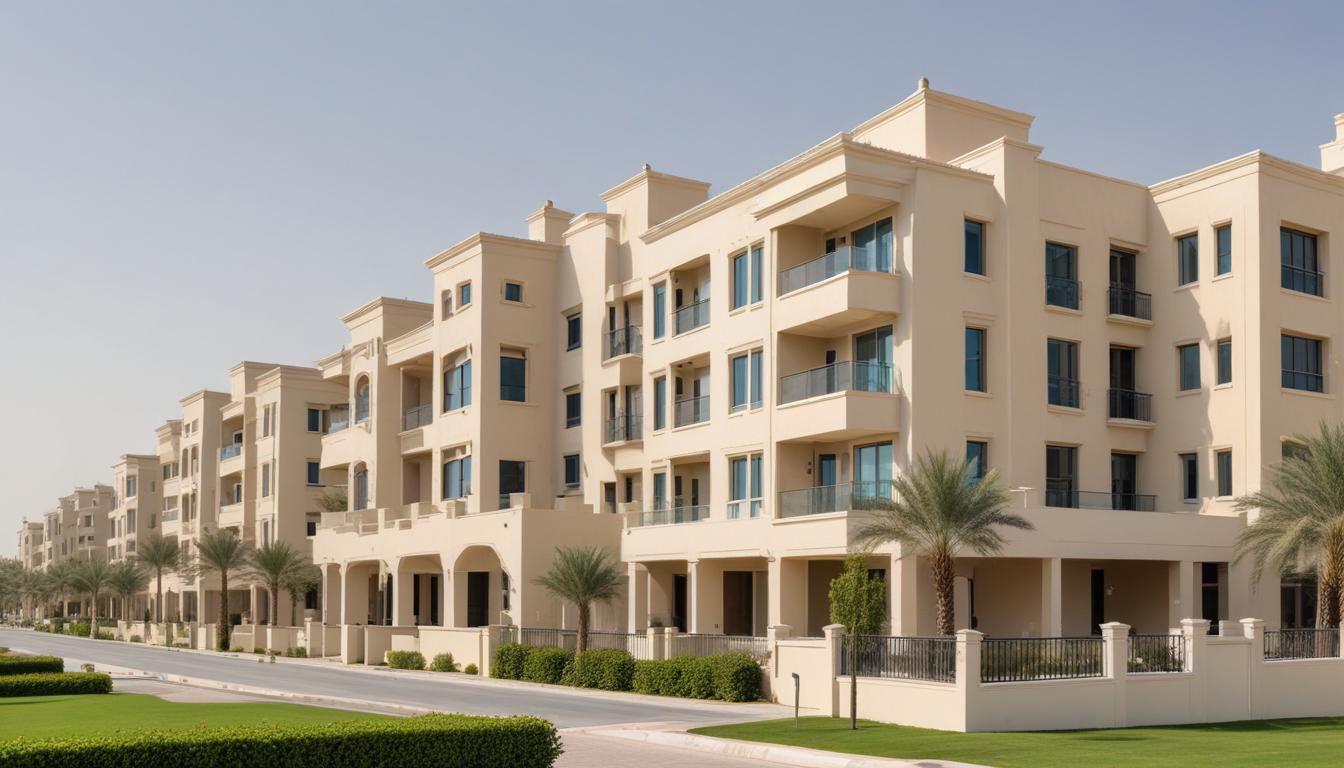
For renters saving for a down payment, the equation has become tighter. A typical two-bedroom apartment in JVC or JLT—traditional stepping stones for middle-market buyers—now commands between AED 120,000 and AED 150,000 annually. That's meaningful capital that could otherwise chip away at a deposit for a villa or townhouse in communities like Arabian Ranches or Emaar South. Meanwhile, landlords who might previously have encouraged tenant-to-buyer conversions are increasingly reluctant to release properties, with many locking in longer lease terms to protect against market volatility.
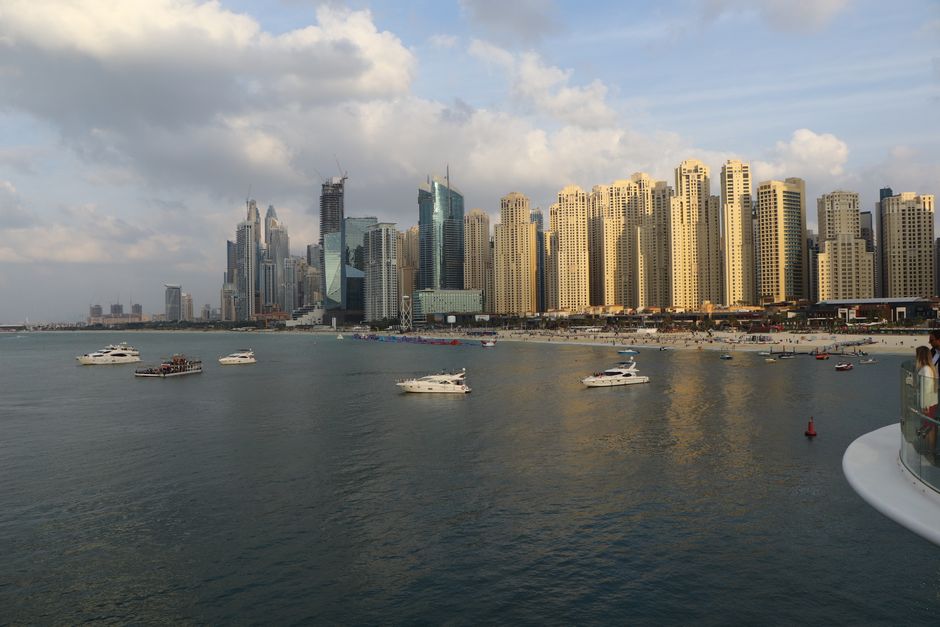
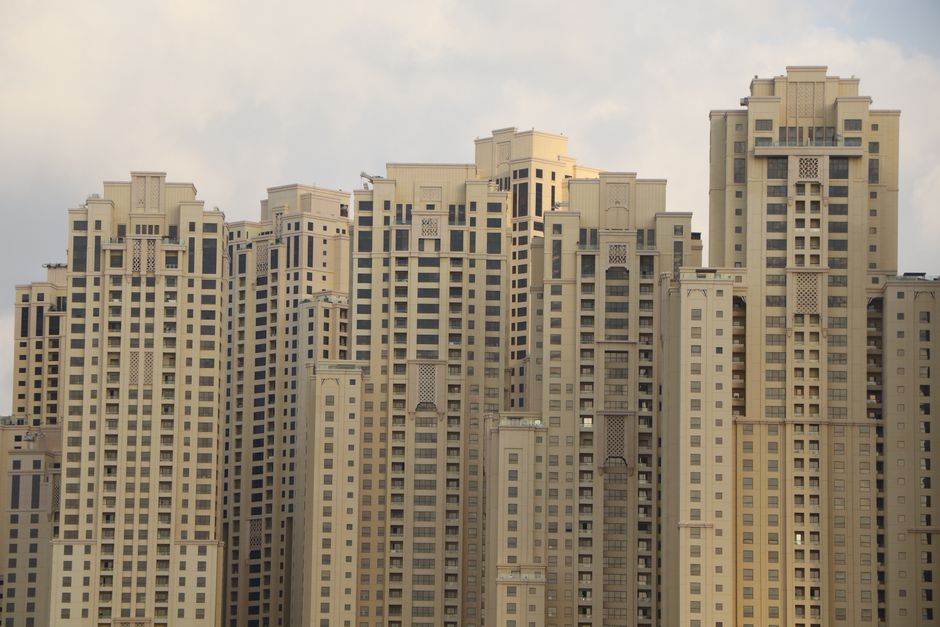
The ten-year golden visa scheme has further complicated rental dynamics. While it's driven strong demand for purchase-ready investors, it's also created competition for rental stock, pushing yields down across mid-range communities. Landlords in JBR's waterfront towers and Downtown Dubai's high-rise clusters are discovering that traditional annual rental income no longer justifies the opportunity cost of holding property off the sales market.
This paradox directly affects first-time buyers. When landlords reduce availability, rent inflation accelerates—particularly in family-oriented areas like JVC, where rental competition is intensifying. Young families find their savings rate compressed just as they're becoming eligible for mortgage pre-approval. Banks typically expect buyers to demonstrate three to six months of salary cushion after accounting for rent; higher rents deplete that safety margin faster.
For prospective purchasers, the silver lining lies in financing innovation. Several UAE banks now offer first-time buyer schemes with deposit assistance programs tied to rental history—essentially allowing disciplined renters to convert their lease records into down payment credits. The Emirates Credit Bureau has also tightened tenant vetting, which paradoxically helps legitimate renters build financial credibility faster.
The government's first-time buyer support initiatives—including streamlined title transfers and reduced registration fees—remain crucial, but their impact hinges on buyers having sufficient capital to begin with. As long as rental market pressures constrain deposit accumulation, even favourable financing terms will remain out of reach for those caught between rising rents and stagnant wages.
Smart buyers are adapting by extending their rental runway into higher-yield communities like Jumeirah Village Circle or Dubai Sports City, where costs are lower but transport links to employment hubs in Downtown and DIFC remain viable. It's a calculated trade-off: live cheaper now, save faster, buy sooner.
This article was compiled by AI from the sources linked above and screened before publishing. See our editorial standards.