Dubai's rental market has entered a pivotal moment. After years of oversupply that favoured tenants with negotiating power, the tables are turning—and neither side is entirely comfortable with the shift.
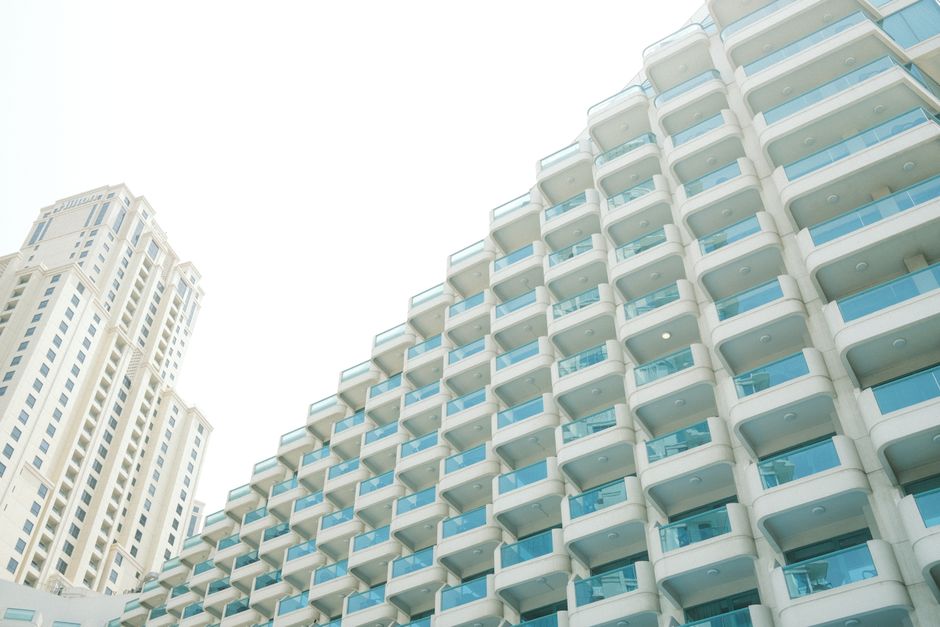
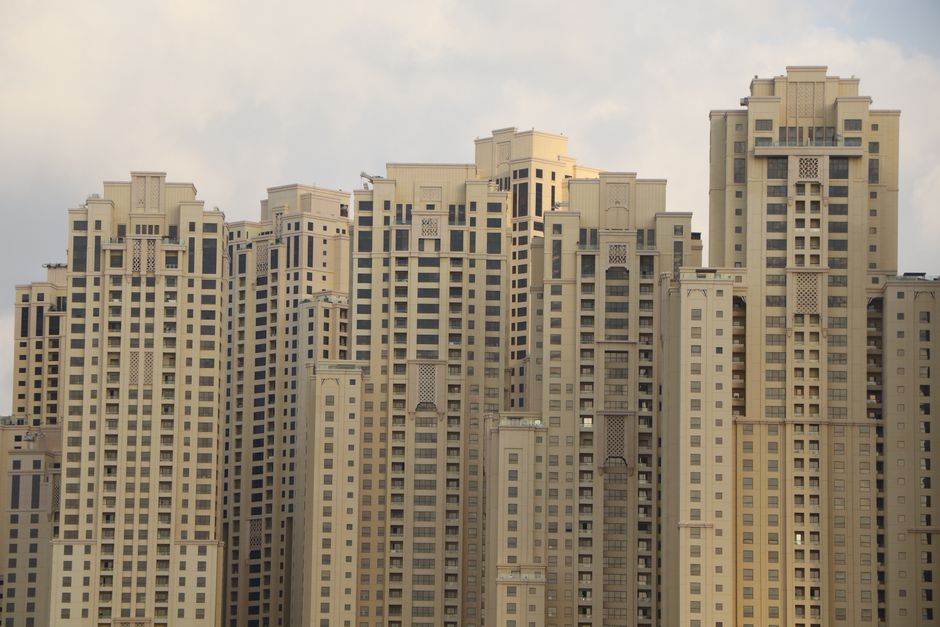
Across mid-range neighbourhoods like Jumeirah Village Circle and Jumeirah Lake Towers, rental yields have climbed to 5–6% annually, a figure that would have seemed impossible during the 2019–2021 slump. A two-bedroom villa in JVC that commanded AED 120,000 annually five years ago now fetches AED 155,000–170,000. Studio apartments in JLT have similarly rebounded, with landlords seeing returns climb from 3.5% to nearly 5%.
For landlords holding property portfolios, this uptick represents vindication. The 10-year Golden Visa scheme, which ended fresh investor uncertainty in late 2024, has accelerated demand from both end-users and buy-to-let investors eyeing long-term holds. Property owners who weathered the 2020 pandemic downturn and subsequent oversupply cycles are now repositioning themselves—refinancing mortgages, upgrading amenities, and—crucially—raising rents when tenancies expire.
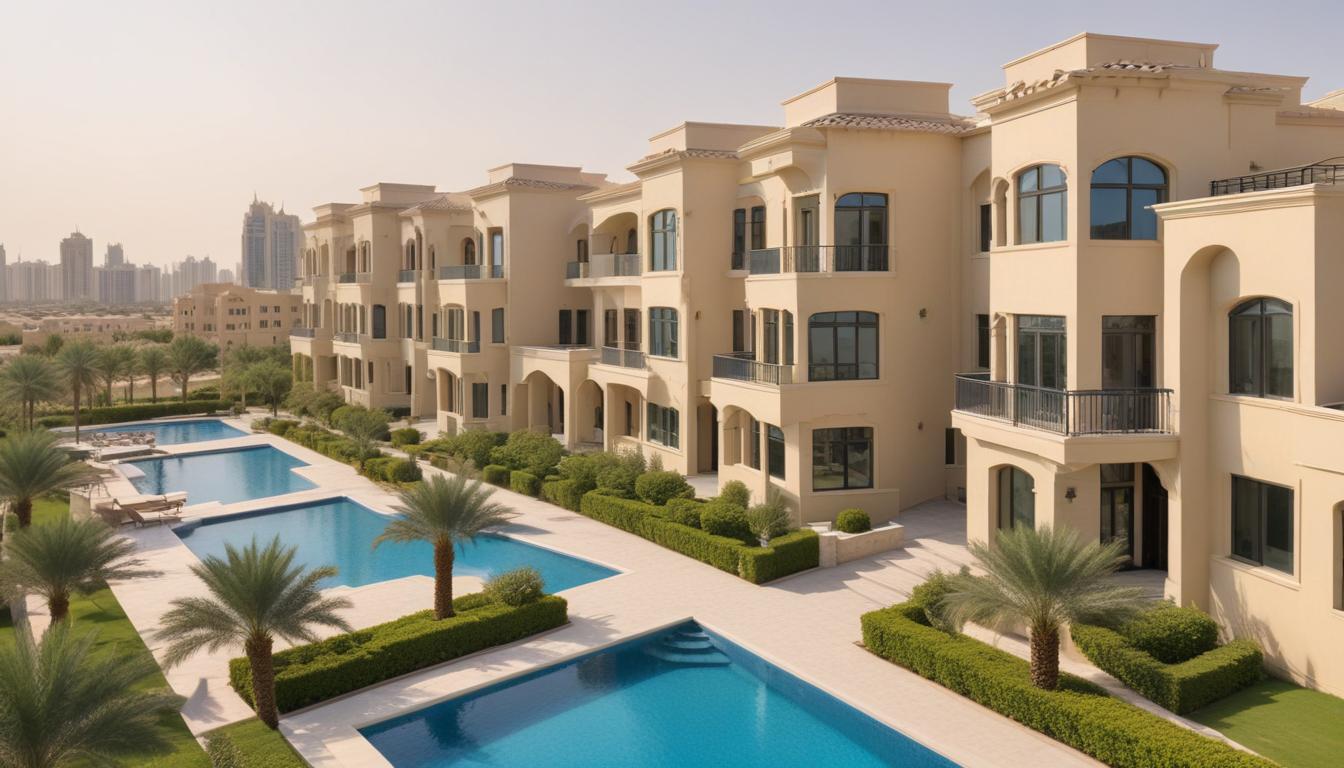
Yet tenant frustration is mounting. A three-bedroom townhouse in Arabian Ranches that rented for AED 180,000 two years ago now commands AED 215,000–230,000. For families already stretched by Dubai's high cost of living—schooling, utilities, transport—these jumps feel seismic. Online forums and expat groups have grown louder about the squeeze, with many recalibrating their housing budgets downward, moving from Arabian Ranches toward Dubailand or even considering satellite emirates like Sharjah.
The real estate services sector has noticed. Agencies handling portfolios along Sheikh Zayed Road and around DIFC report longer tenant inquiries but quicker decision-making among landlords: fewer price reductions, more selective tenant vetting, and stricter lease terms. The average rental agreement now includes mandatory end-of-tenancy inspections and full security deposits—provisions that wouldn't have stuck during the oversupply era.
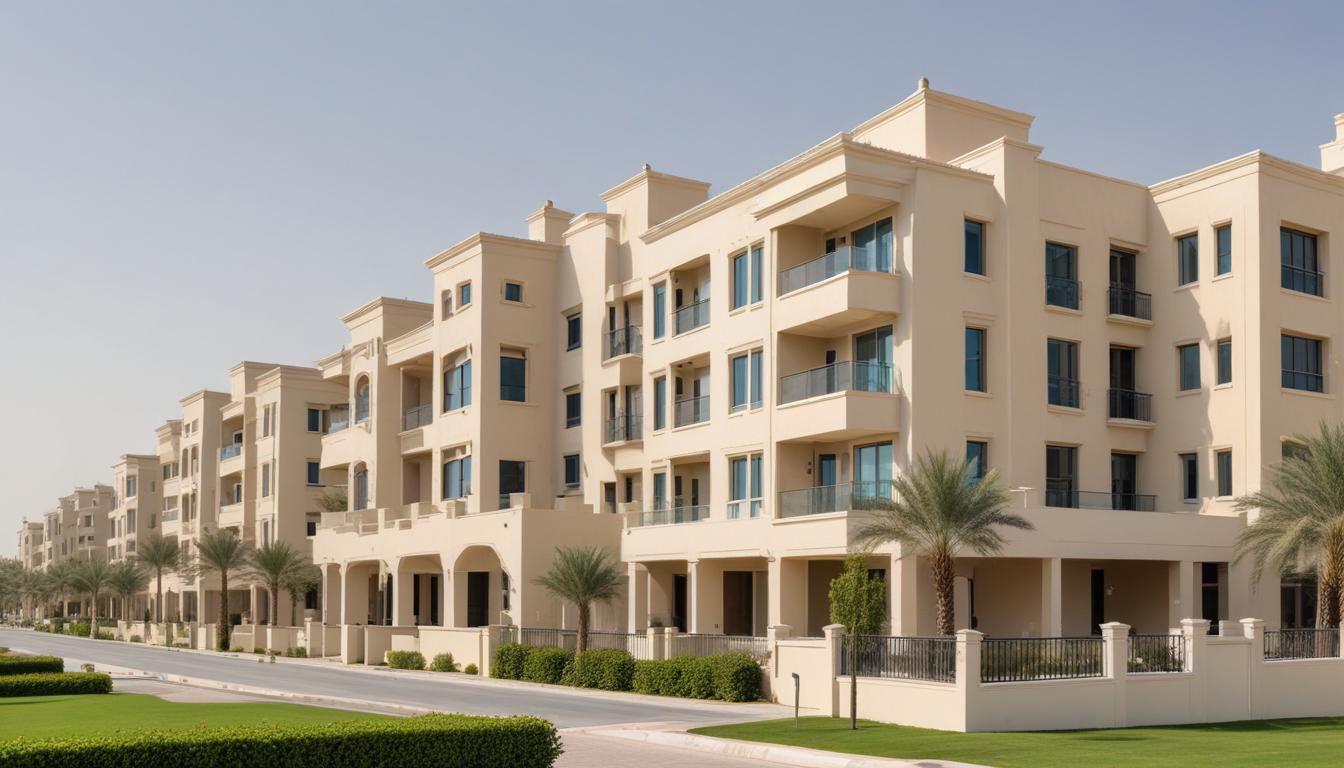
What's emerging is a recalibration of Dubai's rental ecosystem. Landlords are no longer desperate to fill units; tenants, meanwhile, are no longer king. This rebalancing creates both risk and opportunity. Savvy investors are targeting supply-constrained micro-markets—smaller developments in Nad Al Sheba and Al Baraha where commercial activity is rising but housing stock remains tight. Meanwhile, tenants face a difficult choice: accept higher rents in established neighbourhoods or pioneer emerging areas.
By 2027, if the Golden Visa effect continues to drive residential demand while supply remains moderated by construction cycles, expect rental growth to continue—but at a slower burn than today's pace. The sweet spot for both landlords and tenants may lie in neighbourhoods still perceived as secondary but within 15 minutes of Dubai's core employment hubs.
This article was compiled by AI from the sources linked above and screened before publishing. See our editorial standards.