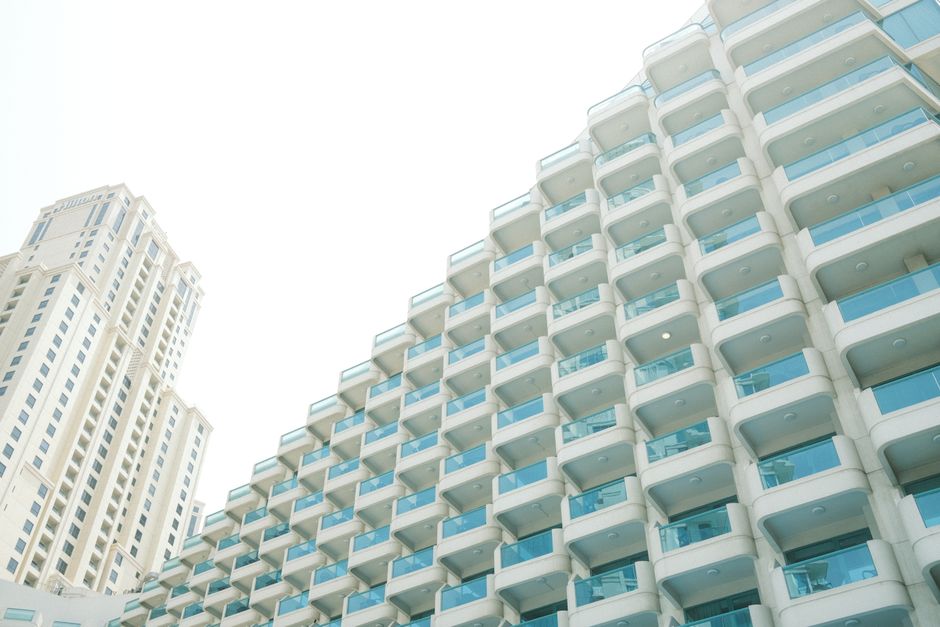
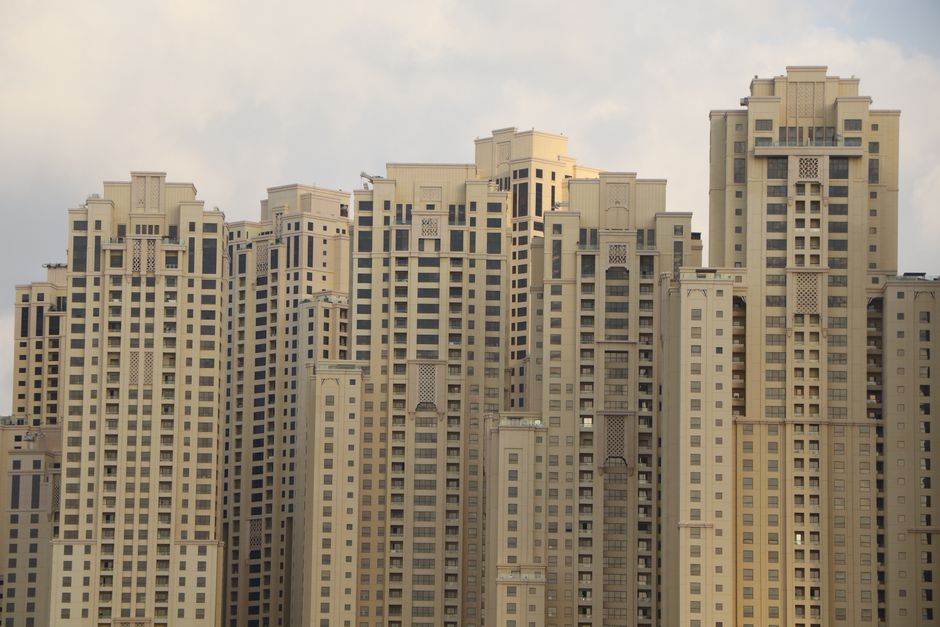
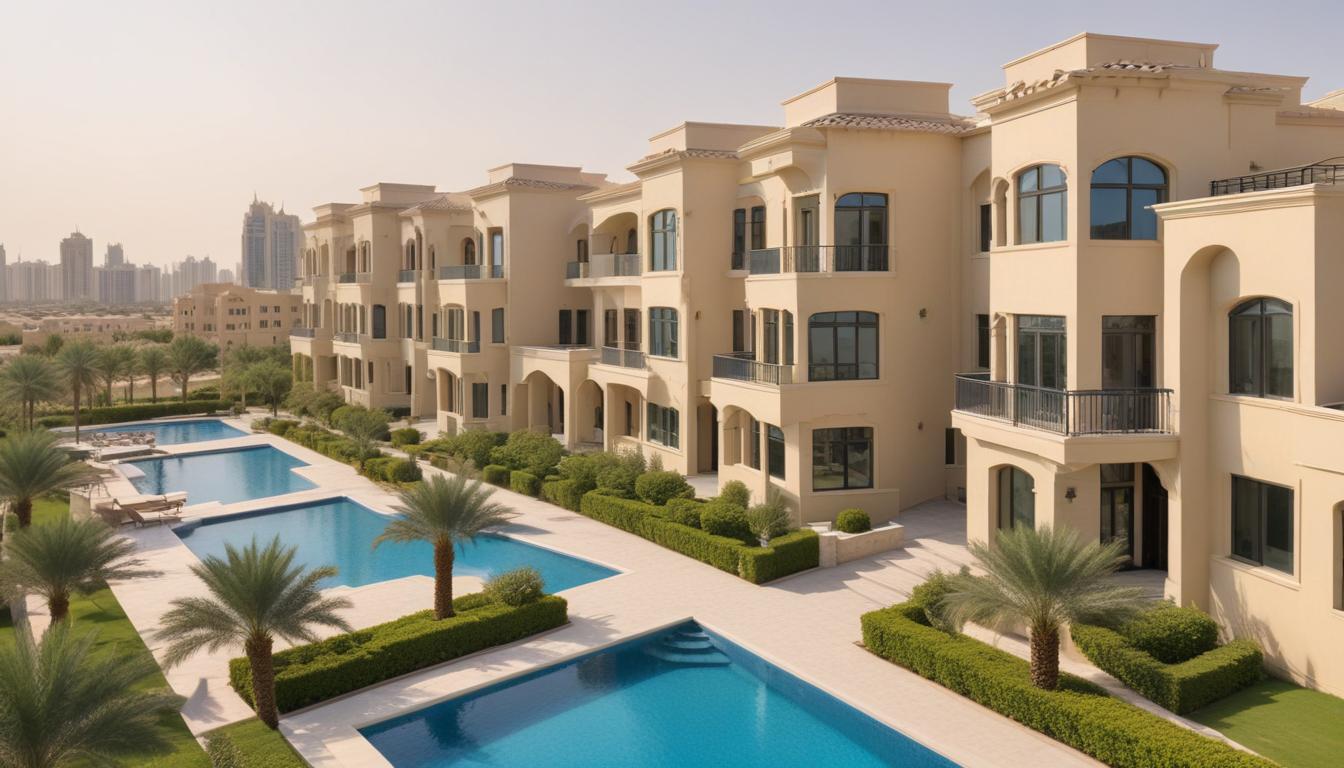
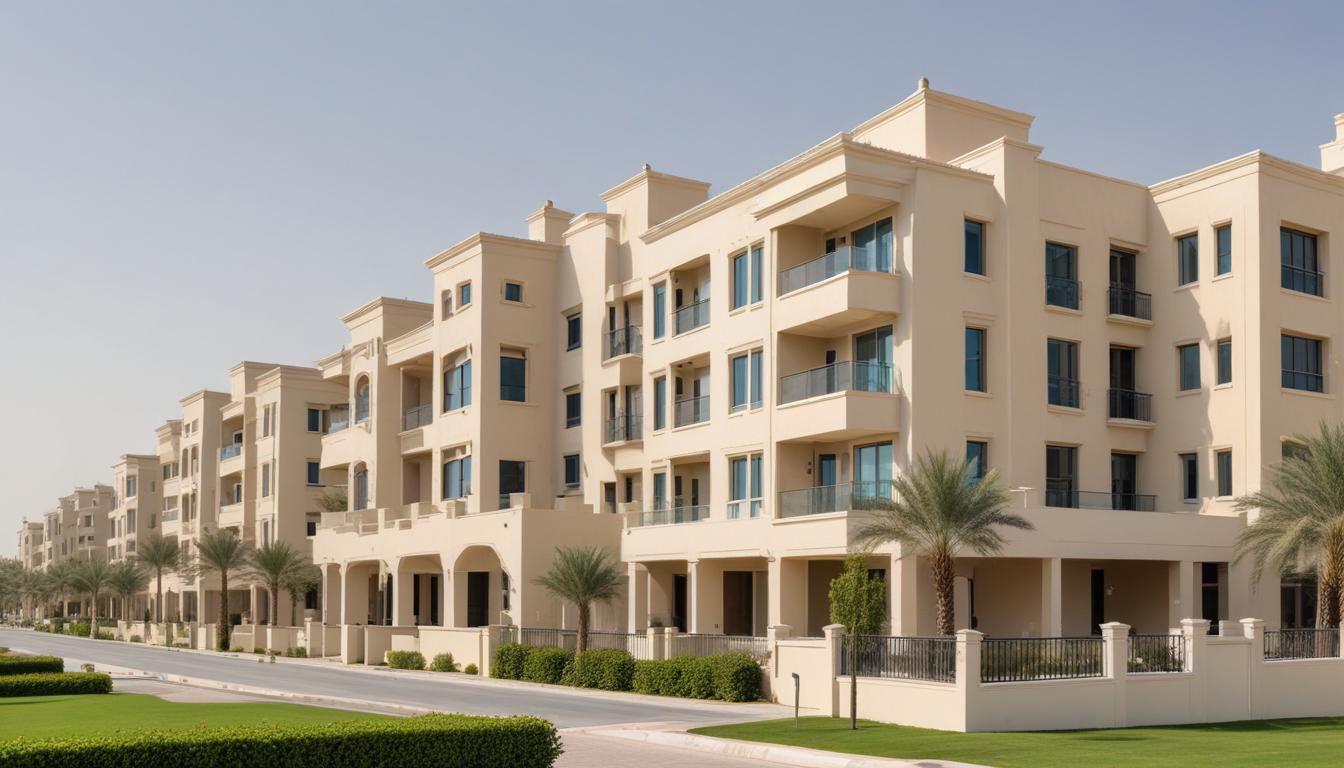
Dubai's luxury rental market has entered uncharted territory. After years of robust demand buoyed by golden visa holders and expatriate relocations, premium properties across Downtown Dubai, Palm Jumeirah, and Emirates Hills are experiencing markedly softer leasing conditions—a shift that is fundamentally altering the economics for both landlords and tenants.
The figures tell a sobering story. While Dubai's overall average stands near AED 1,600 per square foot, luxury segments have stalled. Properties commanding AED 3,500–5,000 per sqft in ultra-prime locations like the Burj Khalifa vicinity and beachfront villas on the Palm now face extended vacant periods averaging 45–60 days between tenancies—double the historical norm. For landlords banking on consistent returns, the impact is immediate and measurable.
"High-end landlords built portfolios assuming perpetual occupancy," explains the rental dynamics observed across major brokerages handling Downtown and JBR waterfront assets. Many investors financed acquisitions at yields of 4–5 percent, a margin that evaporates quickly when units sit empty or must be discounted to attract tenants. A four-bedroom villa in Emirates Hills renting for AED 300,000 annually two years ago now commands closer to AED 260,000—a 13 percent haircut that compounds losses during vacancy.
Tenants, meanwhile, are discovering newfound leverage. The abundance of available stock across Marina, JLT, and Palm Jumeirah has shifted negotiating power decisively in their favour. High-net-worth renters who previously accepted unfavourable lease terms—year-long commitments, furnished deposits, rigid renewal clauses—now demand flexibility: shorter minimum terms, furnished options, and built-in rent reviews. Some landlords have begun offering two months' free rent or covering agency fees, tactics unthinkable in the seller's market of 2023–2024.
The golden visa programme, which sustained demand through 2025, has lost momentum as economic uncertainty in source markets tempered inbound migration. Corporate relocations—traditionally a reliable tenant source—have slowed as multinational headquarters reassess Middle Eastern operations amid regional volatility.
What emerges is a bifurcated luxury market. Trophy assets in iconic addresses—Burj Khalifa residences, Palm Jumeirah beachfront—retain pricing resilience, though even these now accept moderate concessions. Mid-luxury stock, particularly villa communities and newer Downtown developments, faces genuine distress. Landlords holding portfolios in secondary prestige zones face a choice: reduce expectations or accept longer vacancy windows.
For Dubai's broader property ecosystem, the rental rebalancing signals a maturing market finally correcting years of overheated assumptions. Whether this proves temporary or structural will shape investment strategy for years ahead.
This article was compiled by AI from the sources linked above and screened before publishing. See our editorial standards.