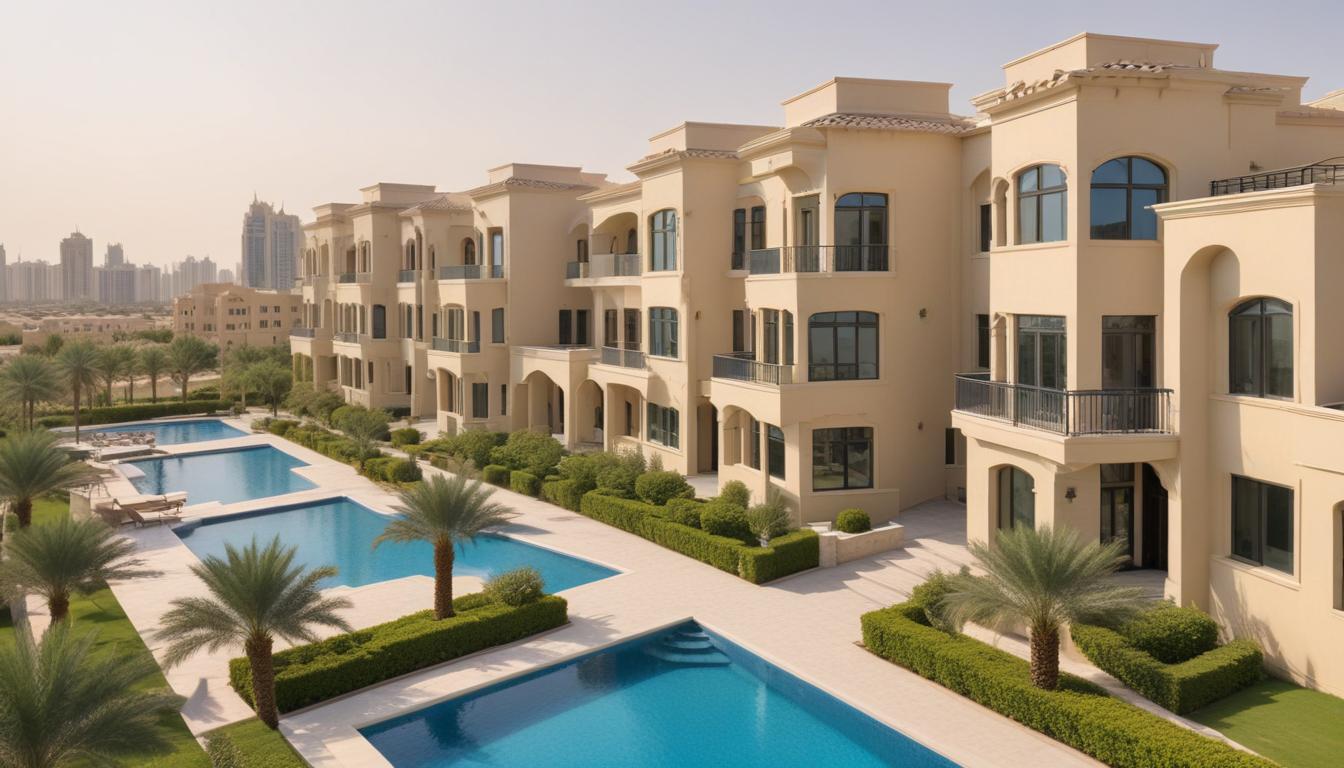
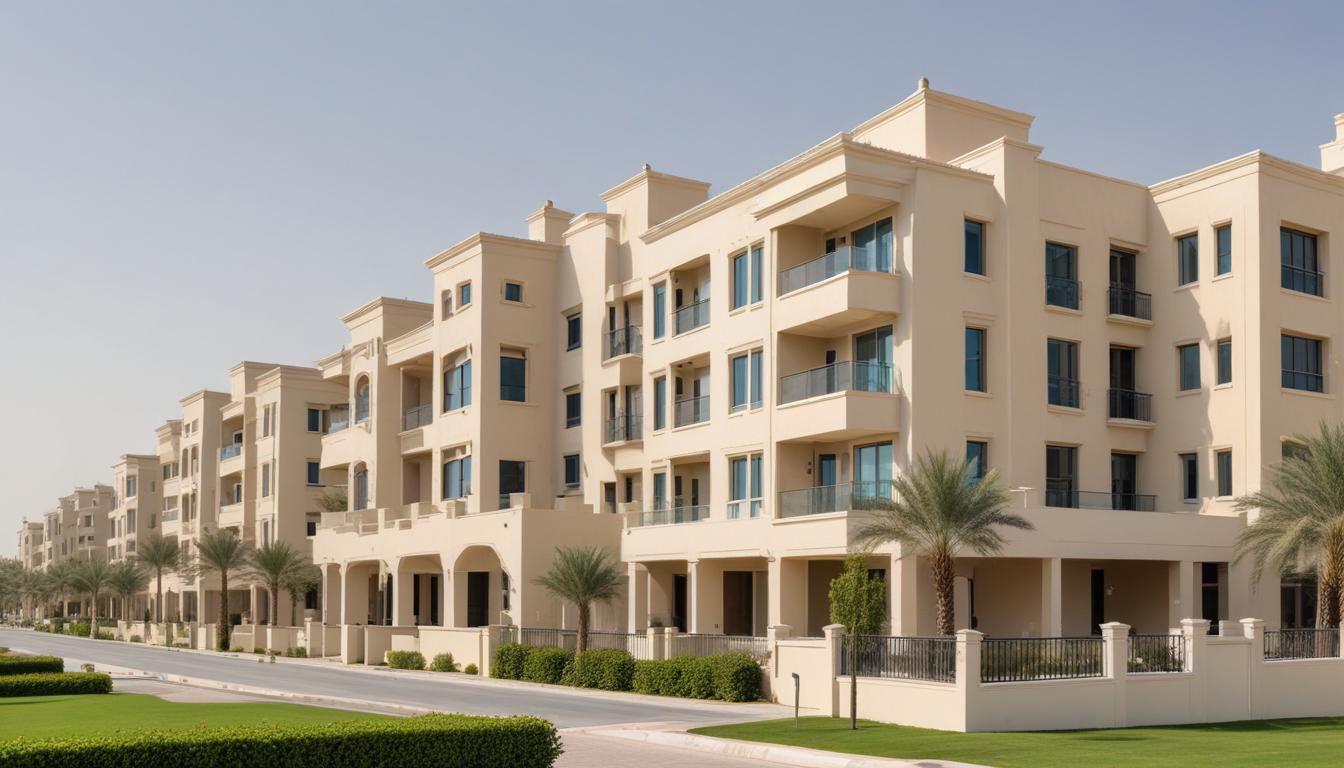
Dubai's rental landscape is entering a delicate recalibration. While headline property prices have stabilised around AED 1,600 per square foot across mid-range sectors, the real pressure is emerging downstream—in the yields landlords expect and the leverage tenants increasingly hold in negotiations.
Data from major residential zones reveals the shift. In JBR, where furnished studios once commanded premium rents with minimal vacancy, landlords are now offering rent reductions of 5–8% to secure long-term tenants. Similarly, JVC and JLT—traditionally reliable mid-range yield generators—are seeing extended marketing periods as supply outpaces motivated demand. The culprit: the golden visa programme has driven apartment completions, whilst economic uncertainty has made tenants more selective and mobile.
Landlords accustomed to annual rental growth of 3–5% now face flatlined or declining yields. A two-bedroom villa in Arabian Ranches that rented for AED 120,000 in 2024 may now list at AED 115,000. Luxury segments, particularly along the Palm Jumeirah and Downtown's elevated corridors, are experiencing similar pressures, though absolute rents remain steep. The Rent Increase Tribunal's enforcement of fair-practice guidelines has also tightened landlords' ability to aggressively hike rents on renewal—a traditional hedge against inflation.
For tenants, the environment is transformative. Negotiation power has shifted materially. Families seeking three-bedroom apartments in JLT or Meadows can now demand furnished options, maintenance guarantees, or staggered payment plans—concessions unlikely 18 months ago. First-time renters and expats relocating via sponsorship arrangements are taking advantage by locking in longer, more favourable contracts before sentiment shifts again.
The Dubai Land Department's transparency initiatives and the Real Estate Regulatory Agency's continued oversight have also elevated tenant confidence. Disputes once settled informally now escalate more readily to formal channels, incentivising landlords to maintain properties and honour obligations more diligently.
Smart landlords are adapting. Rather than chasing rental growth, many are prioritising tenant retention, predictable cash flow, and reduced vacancy periods. Capital improvements—upgrading kitchens, adding laundry facilities, or securing parking—are becoming competitive differentiators. Short-term furnished lets and corporate housing arrangements offer higher per-unit yield, though they carry administrative complexity and regulation risk.
The macro outlook suggests this equilibrium may persist. Continued apartment supply, moderate tenant mobility driven by the visa scheme's permanence, and regulatory maturity all point to a normalised, less landlord-favourable market. For investors seeking sustainable yields, the era of passive rent hikes appears over. The winning strategy now requires active asset management, pricing discipline, and realistic return expectations.
This article was compiled by AI from the sources linked above and screened before publishing. See our editorial standards.