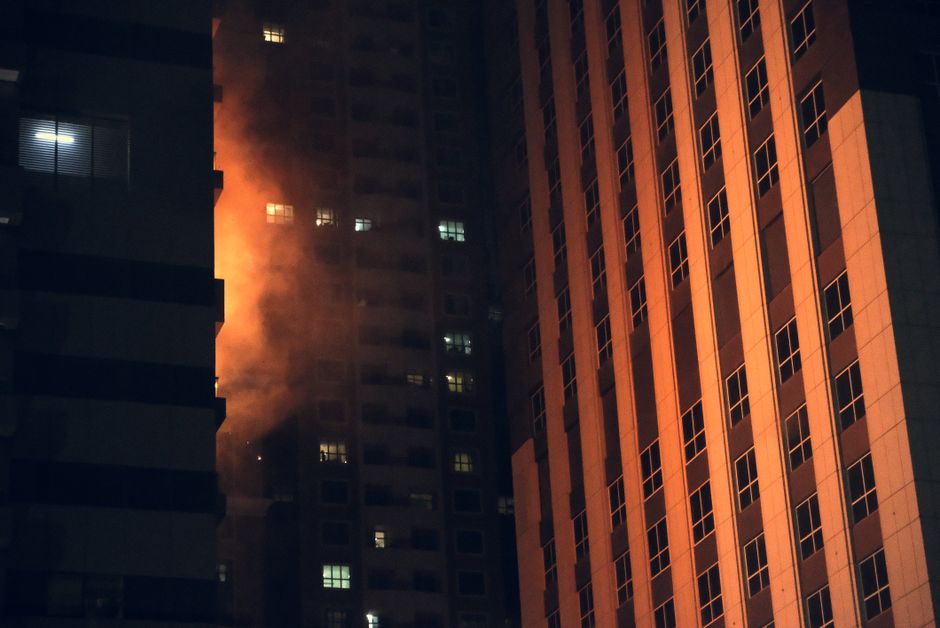
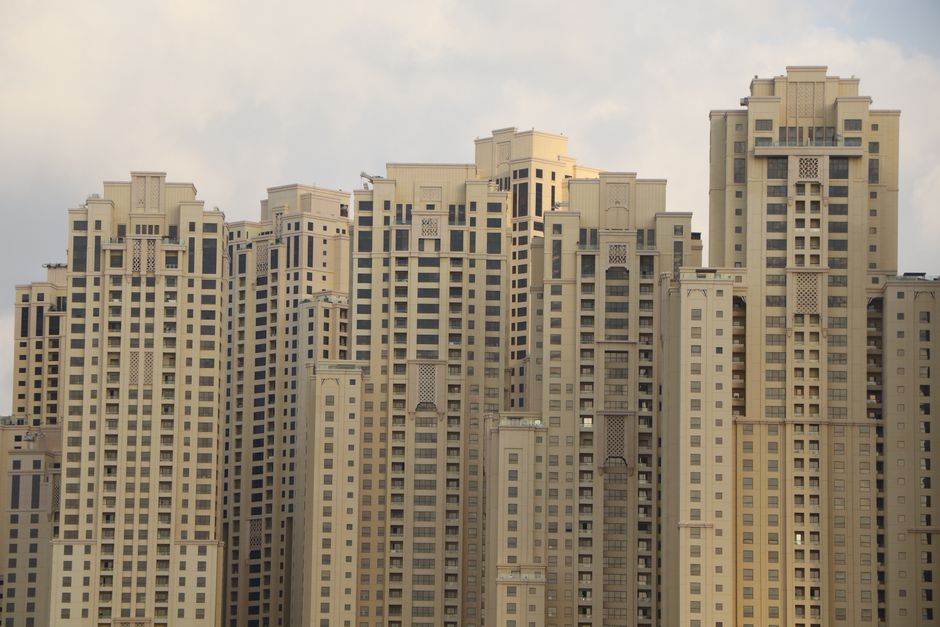
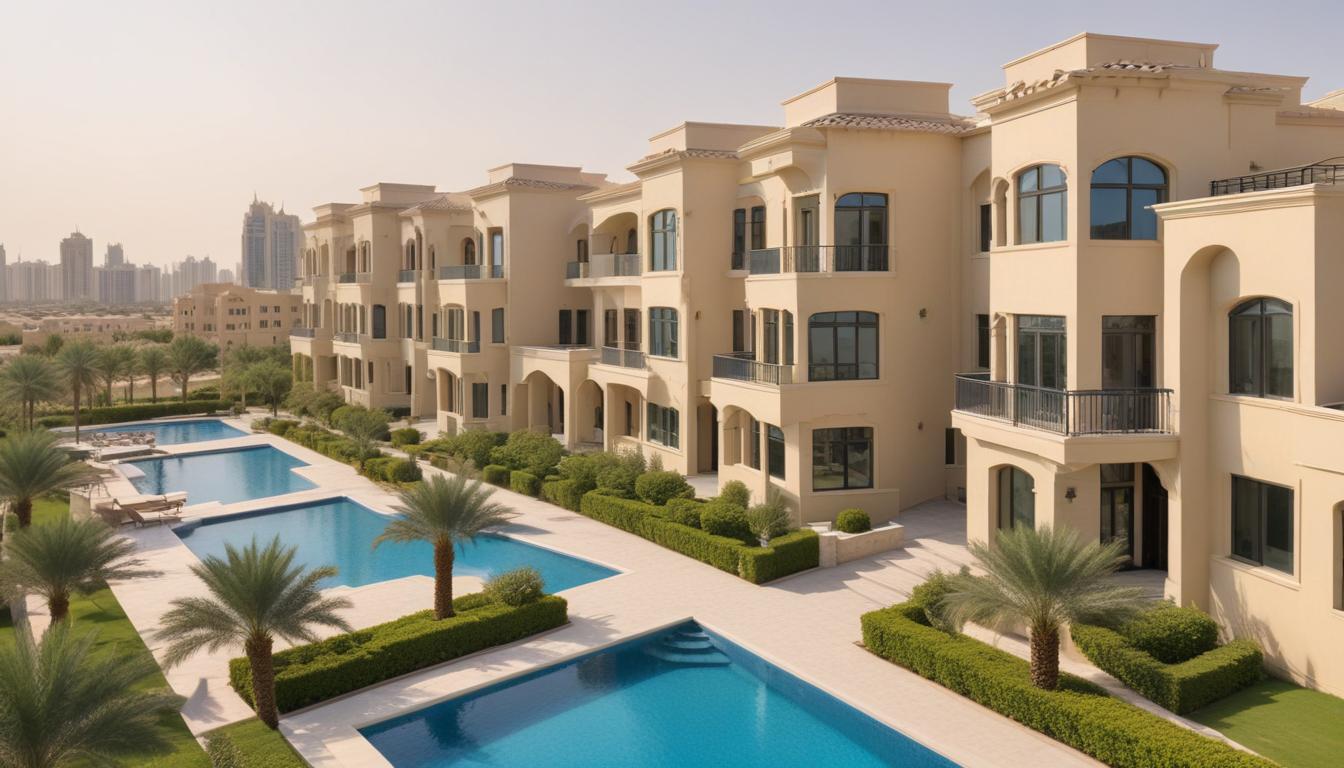
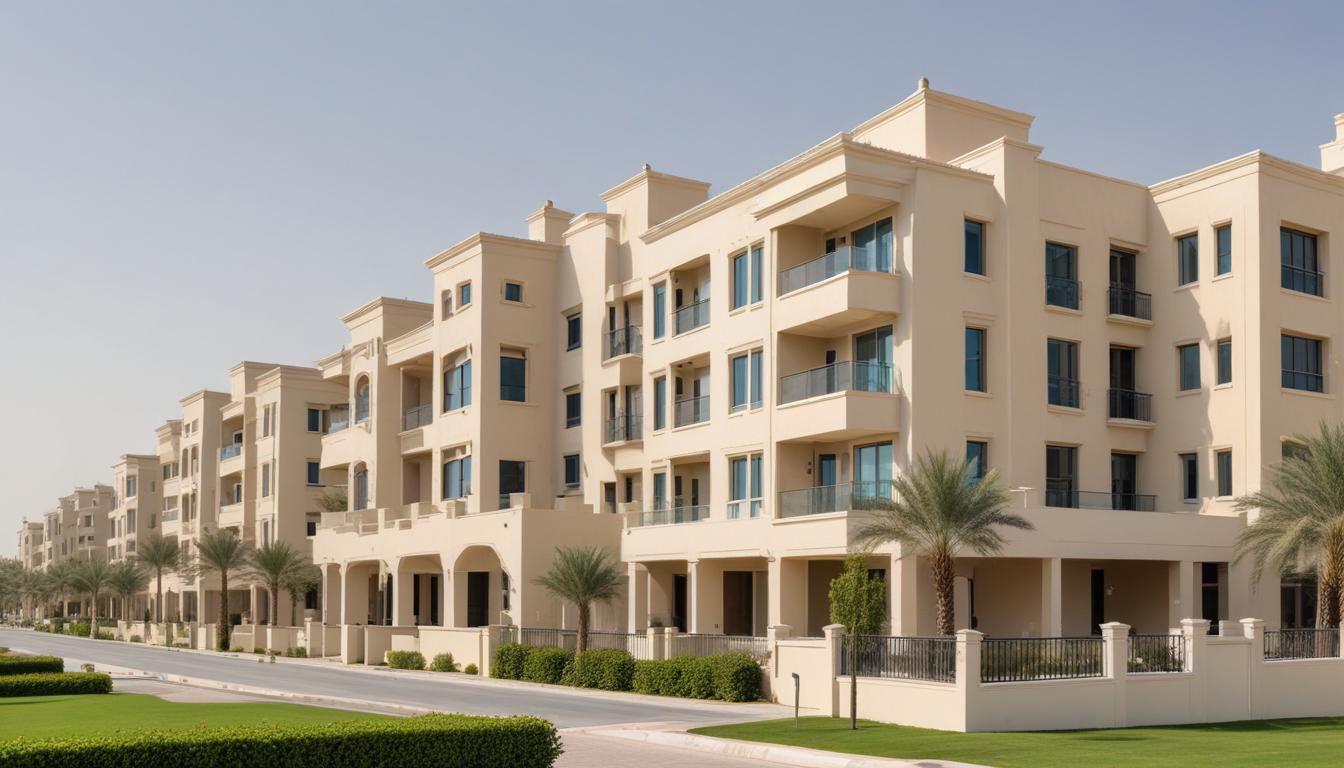
Dubai's rental market is experiencing a fundamental recalibration. After years of steady appreciation, both tenants and landlords are navigating unfamiliar territory—one marked by rising vacancy, stagnant rents, and increasingly polarised outcomes across the emirate's neighbourhoods.
The numbers tell a sobering story. While Downtown Dubai and Palm Jumeirah command premium rents reflective of their luxury positioning, mid-market areas like Jumeirah Village Circle and Jumeirah Lake Towers are witnessing a compression of yields. Landlords who purchased investment properties when average rental rates hovered above AED 1,700 per square foot now watch as supply outpaces demand, with vacancy rates in certain clusters climbing toward double digits. For many small investors—particularly those who leveraged heavily during the 2019-2023 boom—the margin between mortgage obligations and rental income has become dangerously thin.
The pressure on tenants is equally acute, though expressed differently. In older, more affordable clusters like International City and Sonapur, landlords facing rental income shortfalls have begun enforying stricter lease terms, implementing non-refundable deposits, and declining renewal options for lower-income families. The 'Home for a Home' initiative, while well-intentioned, has struggled to provide adequate alternatives for those priced out of formalised affordable housing schemes. Labour workers and migrant families seeking stability in areas like Deira and Bur Dubai report increasing uncertainty; some landlords are simply opting to leave units vacant rather than accept lower rents.
The regulatory environment has complicated matters further. The Real Estate Regulatory Agency's push for transparency has reduced informal arrangements, which some tenants relied upon for flexibility, while new clearance protocols have accelerated evictions in certain pockets. Meanwhile, landlords in oversupplied zones face mounting maintenance costs and property taxes on units generating minimal returns.
The gulf between luxury and affordable segments is widening. JBR's waterfront appeal sustains competitive rents, yet walk fifteen minutes into surrounding areas and the narrative shifts dramatically. This divergence reflects a broader concern: Dubai's rental market is increasingly a tale of two cities.
Policymakers face a pressing challenge. Without targeted interventions—whether rent stabilisation mechanisms, landlord incentive programmes, or accelerated affordable housing delivery in emerging zones—the current trajectory risks deepening inequality whilst hollowing out Dubai's middle-income rental base. For tenants and landlords alike, the coming twelve months will prove decisive.
This article was compiled by AI from the sources linked above and screened before publishing. See our editorial standards.