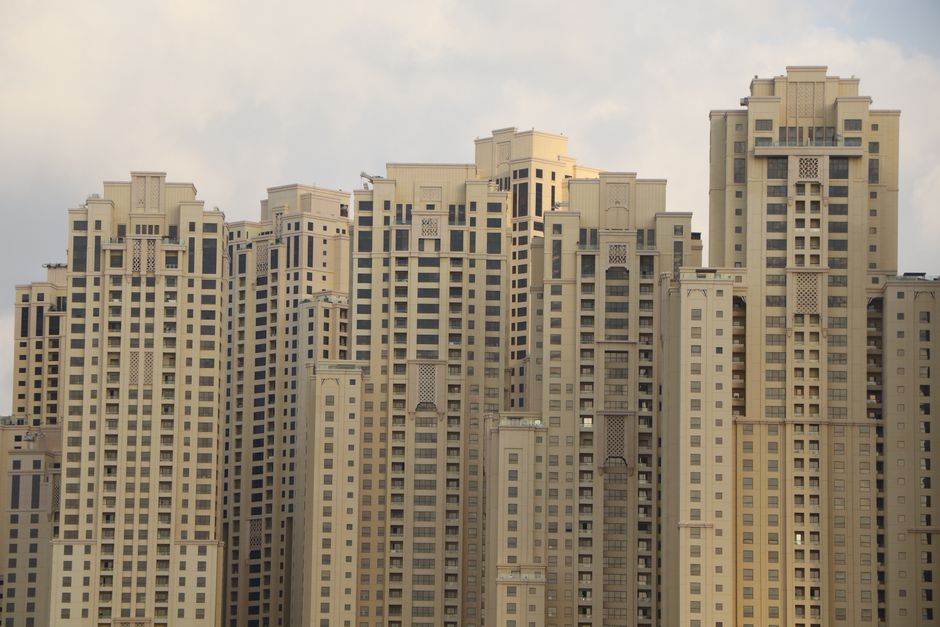
Dubai's Real Estate Regulatory Agency (RERA) has quietly accelerated approval workflows for mid-density residential projects, a policy shift that is already reshaping supply pipelines across secondary markets and threatening to compress yields in established yield havens like Jumeirah Lake Towers and Jumeirah Village Circle.
Under revised guidelines implemented in Q1 2026, developers can now bypass extended stakeholder consultation phases for projects under 500 units if they meet updated sustainability benchmarks. The move has unlocked approximately 12,000 units across 23 pending applications—predominantly in JLT, JVC, Arabian Ranches and the emerging Ras Al Khor waterfront precinct. Industry insiders estimate this will compress typical approval cycles from 24 months to just six.
"The policy recognises that Dubai's mid-market isn't supply-constrained; it's approval-constrained," explains local market analysis. Projects that languished in submission queues since 2023—including two mixed-use towers along the Al Wasl Road corridor—have now secured preliminary clearance. Average rents in JLT currently hover around AED 1,600 per square foot, but analysts warn oversupply could trigger a 12-15% correction by Q3 2027.
The downstream effect is already visible. Secondary developer confidence has spiked: Emaar Properties and Damac each announced three new mid-range projects within weeks of the revised framework. Plot values in JVC have climbed 8% since March, suggesting developers are front-loading land acquisition before market saturation. Conversely, downtown and Palm Jumeirah investors—traditionally hedged against oversupply via scarcity—remain insulated but attentive.
Not all stakeholders celebrate the shift. Some real estate consultants caution that rapid approvals may sideline workforce housing integration, a concern flagged by Dubai Municipality. The revised guidelines do mandate green-building compliance and mixed-income units for projects above 300 units, but enforcement mechanisms remain opaque.
The golden visa programme continues to anchor demand—10-year residency benefits are still driving overseas investment—yet policy-driven supply surges risk tempering price appreciation. Investors holding portfolios in JLT and JVC should brace for tactical volatility. Luxury enclaves like Downtown and Palm Jumeirah, by contrast, face limited new competition and remain cushioned by international buyer appetite and scarcity premiums.
Dubai's planning apparatus is choosing velocity over constraint. Whether that gambit sustains affordability or merely reshuffles risk across submarkets will become clearer by year-end.
This article was compiled by AI from the sources linked above and screened before publishing. See our editorial standards.