Where Dubai Investors Are Actually Making Money: The Neighbourhoods Where Yields Still Stack Up
As prime waterfront rents plateau, emerging zones from Arjan to Al Furjan are delivering the double-digit returns that savvy landlords have been chasing.
As prime waterfront rents plateau, emerging zones from Arjan to Al Furjan are delivering the double-digit returns that savvy landlords have been chasing.
The golden age of 12% gross yields in Dubai's trophy addresses has faded into memory. Downtown penthouse rents have stalled. Palm Jumeirah commands prestige over profit. Yet across the emirate, a quieter investment story is unfolding—one where modest apartment buildings and villa clusters are quietly outperforming the headline-grabbing mega-projects.
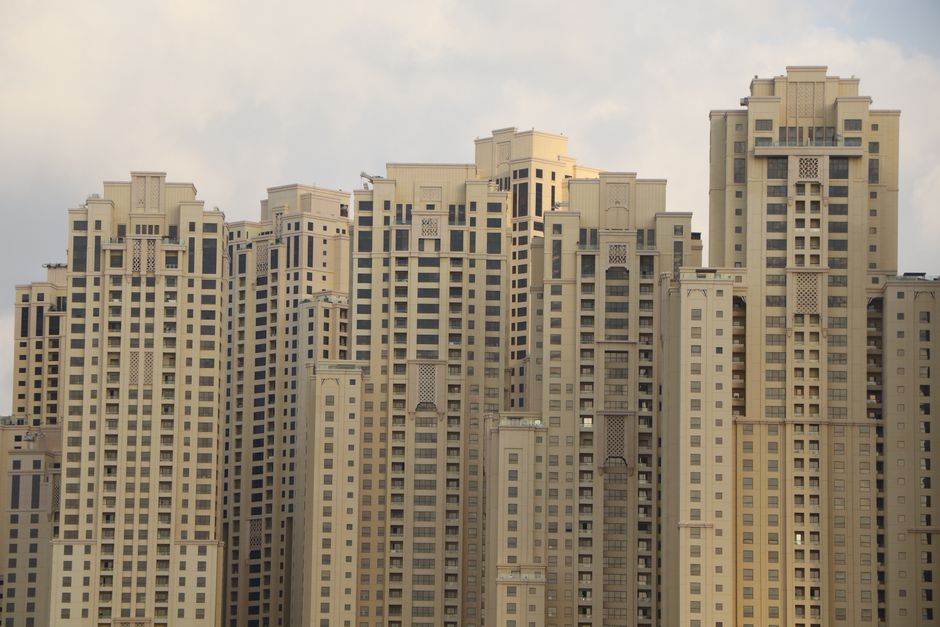
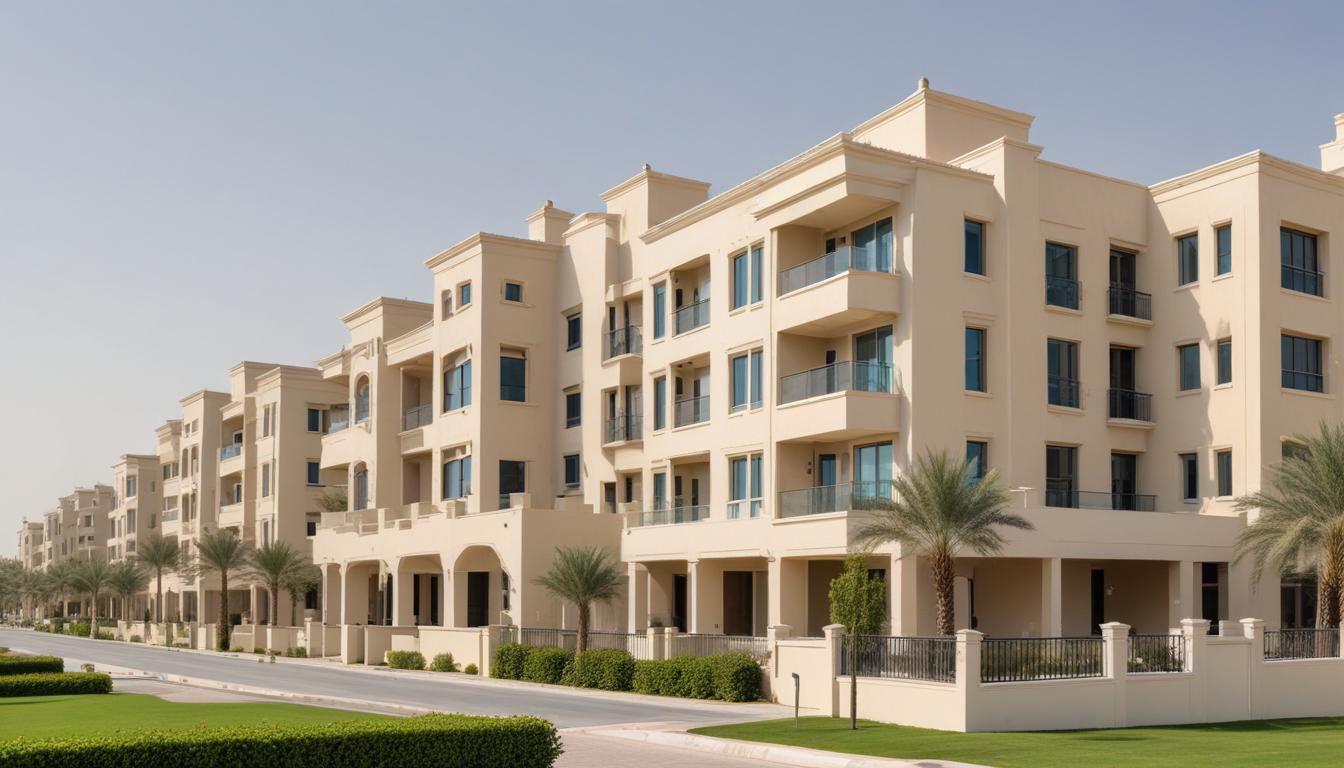
Data from recent sales activity tells the tale. JBR waterfront apartments, long the barometer of mid-market confidence, now yield around 4–5% gross, a 30% compression from five years ago. Yet venture inland to neighbourhoods like Arjan, where studio and one-bedroom units trade hands at AED 350,000–450,000, and landlords are locking in 7–8% yields. A furnished studio in Arjan renting for AED 25,000–28,000 annually on an AED 350,000 purchase price moves the needle—especially when coupled with zero gentrification risk and consistent tenant demand from mid-market professionals and families.
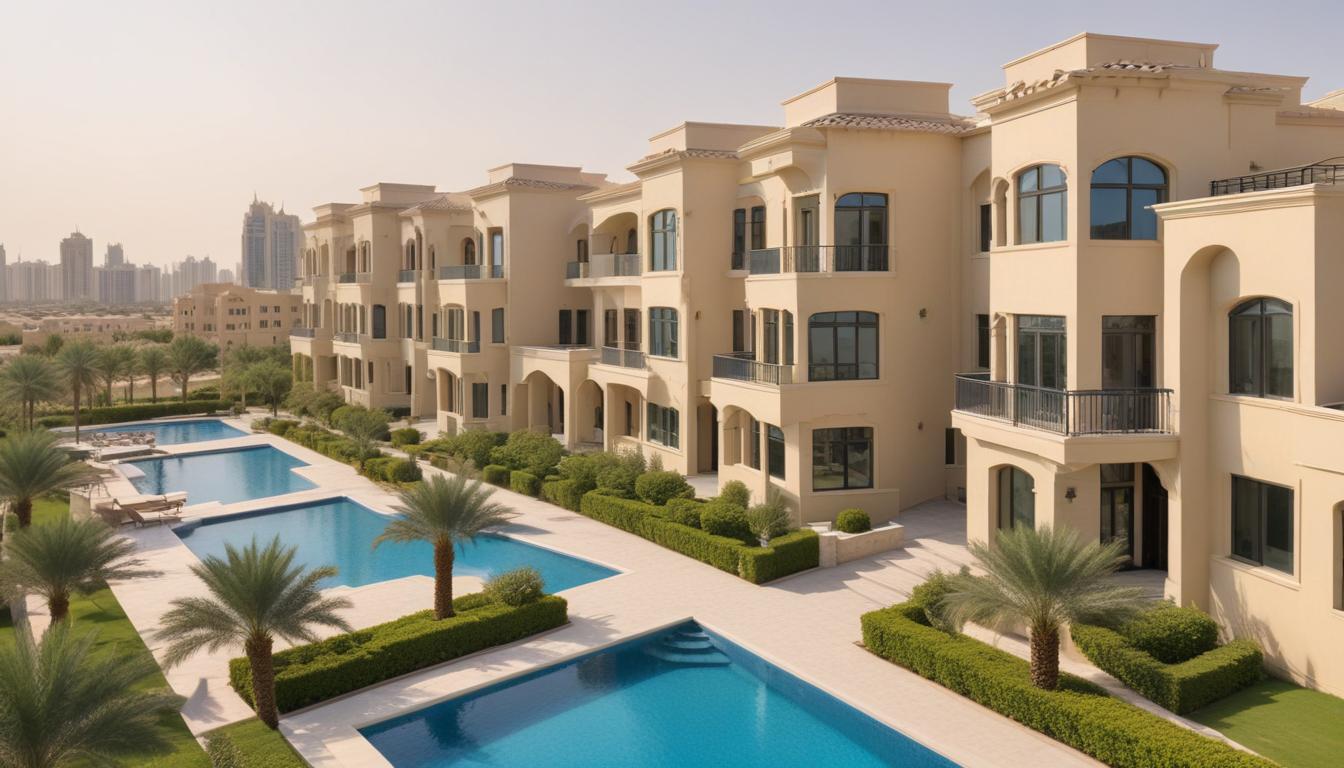
Al Furjan, west of JVC, has emerged as the surprise performer. Villa communities there are shifting from speculative purchases to operational rentals, with three-bedroom townhouses returning 5–6% gross yields. That gap between Downtown's 3–4% and Al Furjan's 5–6% has compressed property price appreciation but amplified cash-on-cash returns—precisely the metric serious investors now track.
The 10-year Golden Visa programme has redrawn investment logic across mid-range neighbourhoods. Families securing residency are buying for stability, not flipping. JLT, despite initial over-supply fears, has benefited: studios and one-beds yield 6–7%, underpinned by steady corporate tenant rotation across the nearby DIFC and Business Bay corridor.
What's shifted is investor psychology. The era when every property was a capital appreciation play has given way to a bifurcated market: ultra-prime assets (Armani-branded residences, Palm Jumeirah villas) pursue prestige and long-term wealth storage, while mid-market zones now compete on yield fundamentals alone. Arjan, Al Furjan, and the upper reaches of JLT are winning that competition.
Price per square foot across these zones averages AED 1,200–1,400—roughly 25% below Dubai's AED 1,600 median—but with rental yields that have widened precisely as downtown compression deepened. For investors weary of capital-light returns and chasing measurable annual income, the numbers point unmistakably inland. The waterfront view has always been beautiful. The cash flow, lately, belongs elsewhere.
This article was compiled by AI from the sources linked above and screened before publishing. See our editorial standards.
How does this story make you feel?
Spread the word
About this article
Published by The Daily Dubai
Daily brief
Free, in your inbox before 7am. Weekdays.
More in Property