First-Time Buyer's Roadmap: Your Guide to Navigating Dubai's Competitive Property Market
From mortgage pre-approval to neighbourhood selection, here's what new entrants need to know to secure their foothold in Dubai's 2026 real estate landscape.
From mortgage pre-approval to neighbourhood selection, here's what new entrants need to know to secure their foothold in Dubai's 2026 real estate landscape.
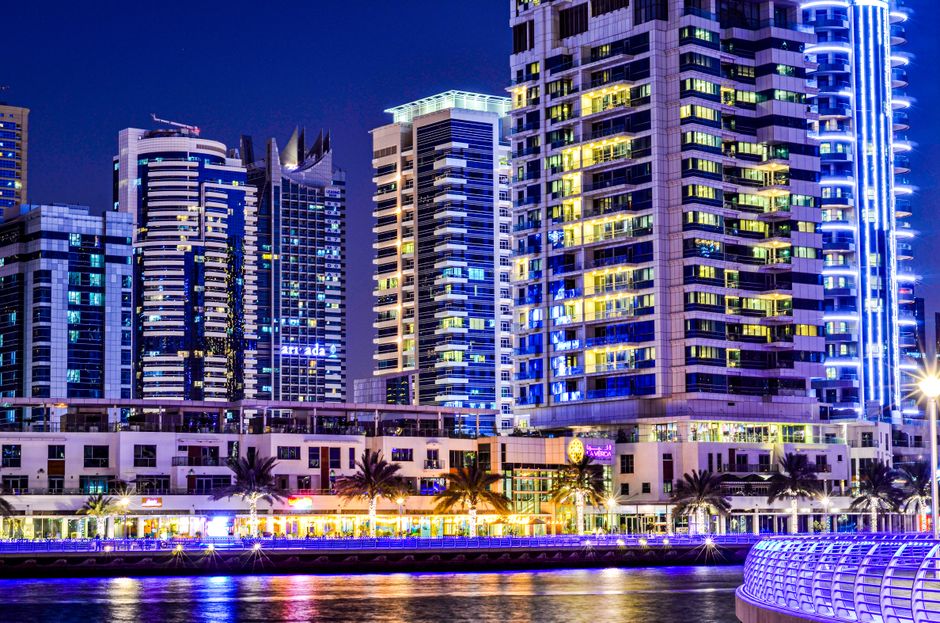
Dubai's property market remains fiercely competitive for first-time buyers, with average prices hovering around AED 1,600 per square foot. Yet emerging opportunities exist for savvy newcomers who understand the mechanics of finance, available schemes, and where value genuinely sits.
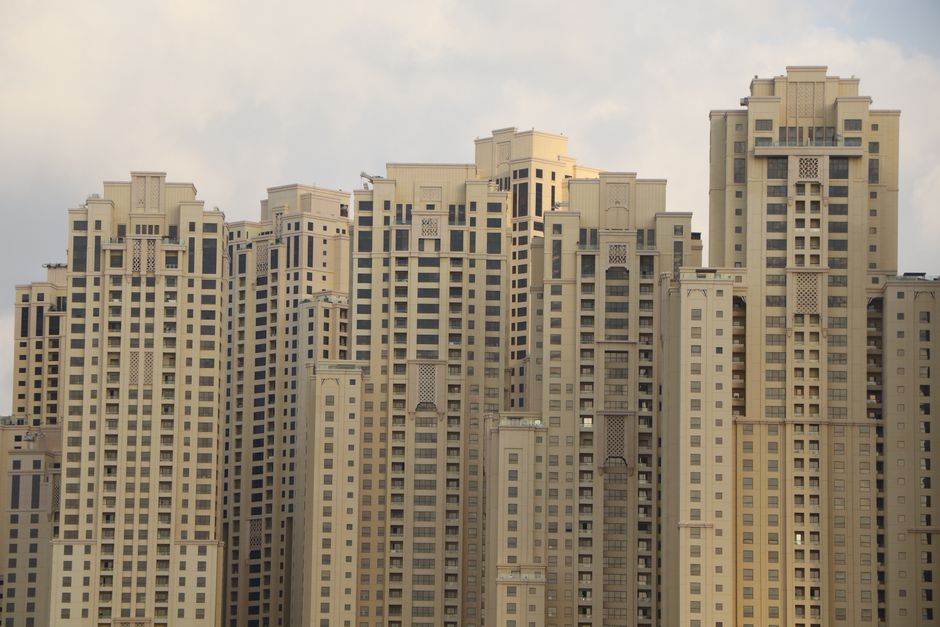
The first critical step is mortgage pre-approval. Most UAE banks—Emirates NBD, FAB, and DIB among them—require a minimum 20% down payment for off-plan properties and up to 25% for secondary market purchases. Your debt-to-income ratio cannot exceed 50%, a common pitfall that catches aspiring owners off guard. Before viewing properties, secure a pre-approval letter from your preferred lender. This positions you as a serious buyer when competing in JVC or Jumeirah Lake Towers, where mid-range family homes command AED 1.2–1.5 million.
Dubai's 10-year golden visa scheme has turbocharged demand across all segments, particularly among expat families seeking stability. This, coupled with limited new supply, means neighbourhoods like Arabian Ranches and Downtown Dubai premium units move swiftly. First-timers should consider emerging clusters—Azizi Waterfront, Ras Al Khor, or pockets of Deira and Bur Dubai undergoing regeneration—where entry points remain accessible at AED 800,000–1.1 million for studios and one-bedrooms.
Grants and incentives exist but are limited compared to international markets. The UAE does not offer first-buyer grants, but some developers provide post-handover payment plans or waive certain registration fees for early commitments. The Real Estate Regulatory Authority (RERA) website lists all developer schemes transparently. Off-plan purchases, particularly from established names like Emaar or Damac, often feature flexible payment structures—crucial for managing cash flow during construction phases.
Beyond finance, location strategy matters enormously. JBR's waterfront appeal comes at premium pricing; JLT and JVC offer stronger rental yields (typically 4–5.5% gross) for investor-buyers, while areas near the new Al Maryah Island metro extension promise long-term capital appreciation. Visit venues like the annual Dubai Property Show or RERA's consumer clinics along Sheikh Zayed Road to gather intelligence and connect with mortgage brokers who specialise in first-time narratives.
Finally, budget for ancillary costs: RERA registration fees (typically 4% of purchase price), mortgage insurance, title deed costs, and a 5% villa security deposit if applicable. Many first-timers overlook these, inflating true entry costs by 8–12%.
Success in 2026's Dubai market hinges on preparation, realistic neighbourhood selection, and understanding that the cheapest property is rarely the best investment for long-term ownership.
This article was compiled by AI from the sources linked above and screened before publishing. See our editorial standards.
How does this story make you feel?
Spread the word
About this article
Published by The Daily Dubai
Daily brief
Free, in your inbox before 7am. Weekdays.
More in Property