What Dubai's luxury auction results and price data are signalling about the high-end market
Recent transaction patterns in Downtown and Palm Jumeirah reveal a market recalibrating toward quality and location over speculative volume.
Recent transaction patterns in Downtown and Palm Jumeirah reveal a market recalibrating toward quality and location over speculative volume.
Dubai's luxury property sector is sending mixed but revealing signals. While the broader market hovers around AED 1,600 per square foot, premium segments—particularly in Downtown Dubai and Palm Jumeirah—are experiencing subtle but significant repricing, according to transaction data and auction clearance rates tracked across the first half of 2026.
The headline: fewer properties are moving at asking price, but those that do command premium valuations are increasingly lifestyle-driven rather than investment-speculative. Downtown Dubai waterfront units continue to anchor the AED 3,000–5,000/sqft range, yet velocity has slowed. Auction clearance rates for luxury segments have dipped to 63 per cent, the lowest in three years, suggesting vendors are testing price tolerance rather than accepting realistic offers.
What this signals is a market shedding excess inventory while filtering for genuine end-users and long-term holders. The 10-year golden visa initiative—designed to attract high-net-worth individuals and executives—appears to be reshaping buyer profiles away from quick-flip investors toward occupiers prioritising location prestige and proximity to business hubs like the Dubai International Financial Centre (DIFC).
Palm Jumeirah maintains scarcity premium. Beachfront villas on the east and west crescent continue to transact in the AED 15,000–25,000/sqft bracket, though days-on-market have extended from 45 to 90 days. This isn't weakness; it's selectivity. Buyers at this tier are conducting deeper due diligence around waterfront sustainability, marina infrastructure, and community amenities rather than treating properties as tradeable assets.
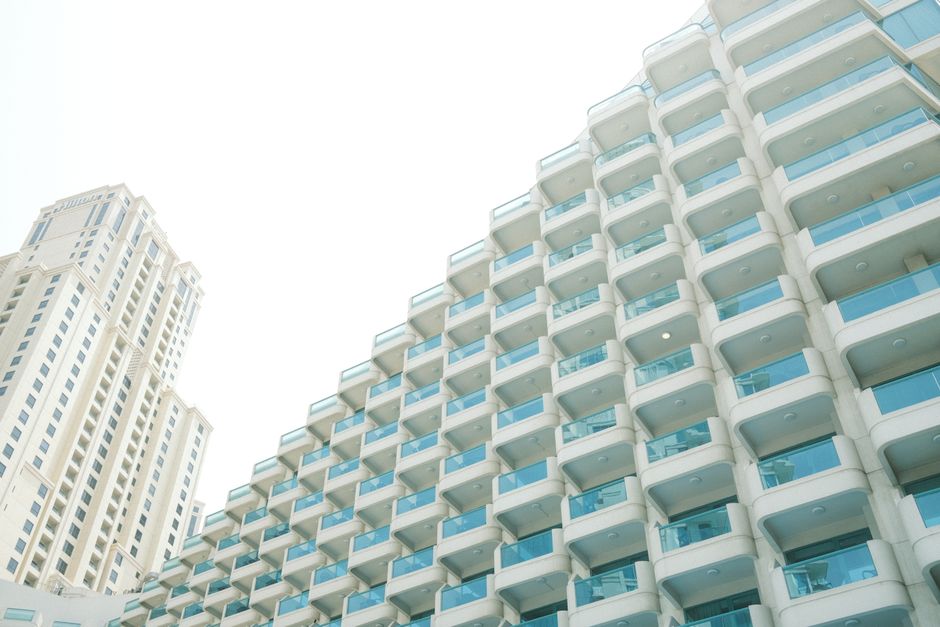
Mid-tier luxury zones—JBR's waterfront clusters and newer JLT high-rises—show more resilience. Yields in these segments (typically 4–5.5 per cent rental returns) are attracting buy-to-let portfolios, particularly from expat professionals leveraging the visa scheme. This two-tier dynamic is widening the gap between ultra-premium illiquid assets and income-generating mid-range properties.
Auctioneers and brokers report increased negotiations on contingency terms rather than price itself—buyers requesting extended settlement periods, furnishing flexibility, and rental guarantees. This suggests confidence in underlying value but caution around liquidity timing.
The data points to a maturing market. Dubai's luxury segment is no longer a pure capital appreciation play. It's shifting toward place-based value: address equity tied to infrastructure maturity, regulatory stability, and genuine demand from visa-enabled residents seeking long-term homes. Vendors holding premium properties should expect longer sales cycles but firmer pricing once matched with the right buyer profile.
This article was compiled by AI from the sources linked above and screened before publishing. See our editorial standards.
How does this story make you feel?
Spread the word
About this article
Published by The Daily Dubai
Daily brief
Free, in your inbox before 7am. Weekdays.
More in Property