Dubai's luxury property market has undergone a subtle but profound shift. While the broader market hovers around AED 1,600 per square foot, properties in Palm Jumeirah and Downtown Dubai continue to command premiums that defy broader economic cycles—but the rules underpinning those premiums have changed.
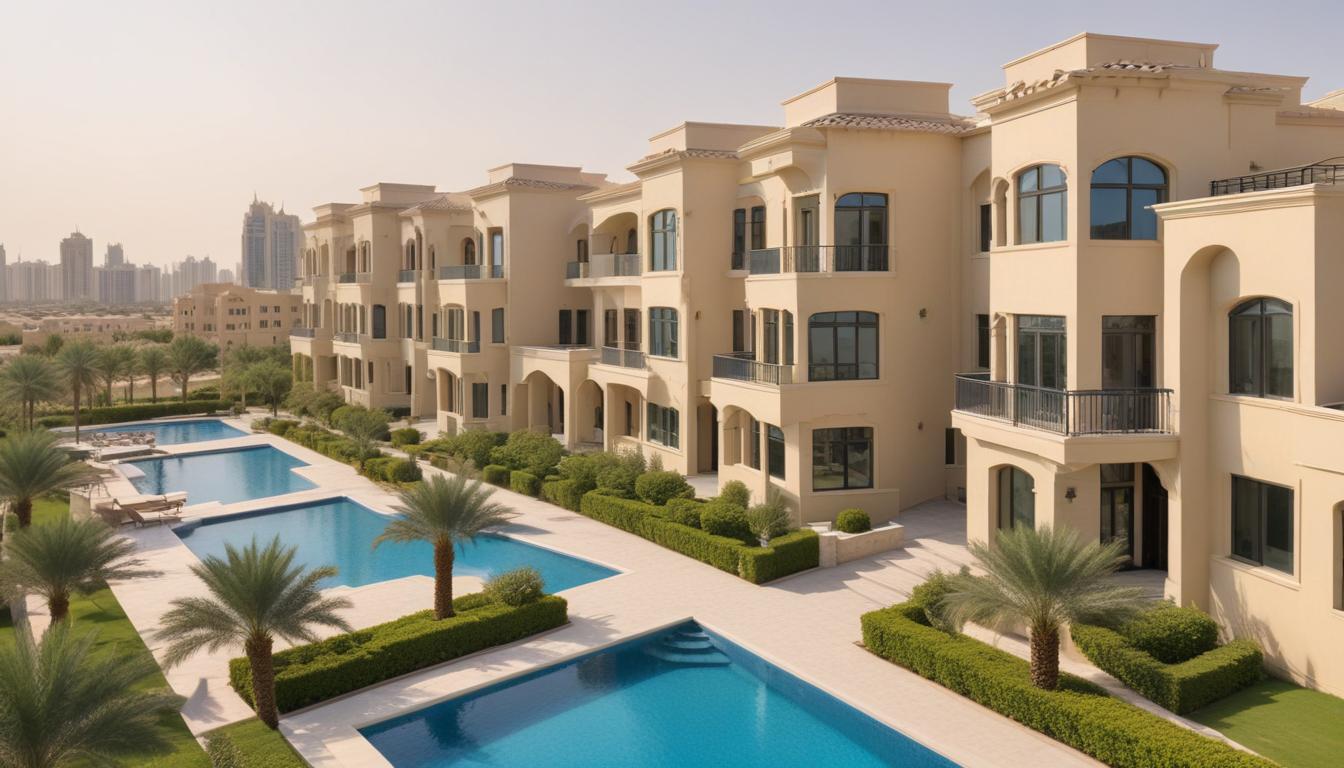
The 10-year golden visa scheme, introduced in 2021, remains the primary demand engine for high-end residential property. International buyers seeking long-term residency stability have fundamentally altered purchasing patterns. Yet this year's data reveals a critical nuance: not all luxury addresses move equally. Properties fronting the Arabian Gulf—particularly Palm Jumeirah's waterfront villas and the newly positioned luxury towers along Bluewaters—are experiencing sustained appreciation, while secondary ultra-prime locations face softer demand.
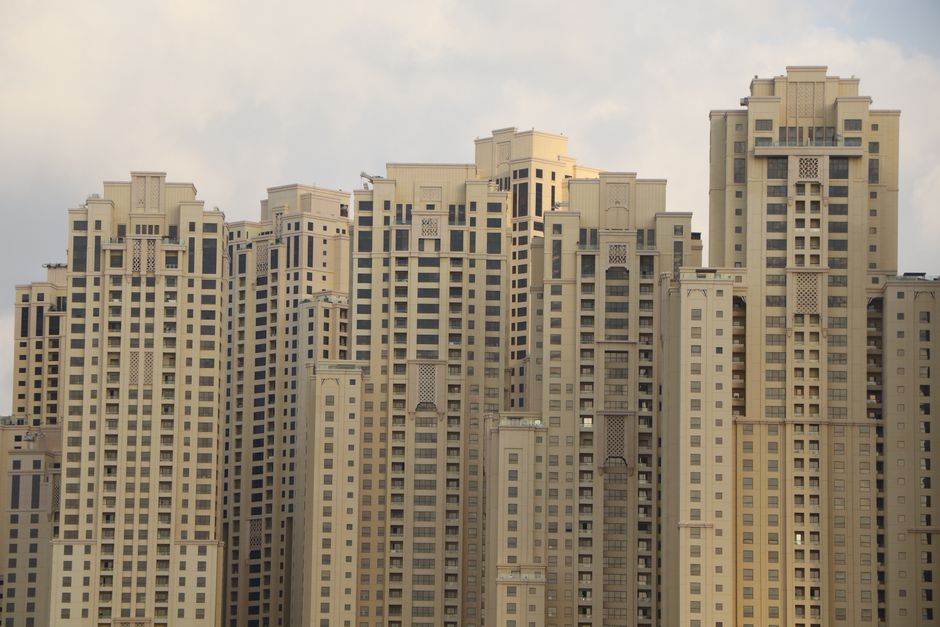
Recent transactions in Downtown Dubai tell the story. While the Burj Khalifa precinct remains iconic, contemporary ultra-luxury is increasingly defined by water access and panoramic sea views. Developers competing for the AED 3–5 million apartment segment have shifted focus accordingly, explaining why JBR's waterfront positioning continues generating yields despite market-wide oversupply concerns elsewhere.
For high-net-worth buyers entering now, several factors demand attention. First, the golden visa correlation means mortgage accessibility matters less than compliance capability—many purchasers are all-cash, placing regulatory and tax transparency at premium. Second, off-plan discounting that characterised 2023–2024 has largely evaporated; current inventory is predominantly resale, where pricing reflects actual transaction evidence rather than developer incentives.
The regulatory environment has also tightened. The Real Estate Regulatory Agency's enhanced transparency requirements and stamp duty standardisation—now consistently applied across all emirates—have reduced opacity that once attracted secretive buyers. This shift favours established, legitimate purchasers over those seeking anonymity.
Perhaps most importantly, Dubai's ultra-luxury market is now bifurcating. The trophy segment—properties exceeding AED 10 million—remains insulated by scarcity and international demand. Below that threshold, however, buyers face a rebalancing. Generic luxury no longer commands leverage. Properties lacking distinctive characteristics—waterfront, iconic addresses like the Palm or Downtown's established towers, or integrated lifestyle amenities from recognised operators—are repricing downward.
The takeaway for serious buyers: prestige in Dubai's current market hinges on verifiable scarcity and location hierarchy, not merely premium finishes. Due diligence into community dynamics, regulatory standing, and long-term developer credibility now separates sound investments from expensive mistakes.
This article was compiled by AI from the sources linked above and screened before publishing. See our editorial standards.