Shifting Tides: How Dubai's Rising Vacancy Rates Are Reshaping the Rental Deal for Both Tenants and Landlords
As Dubai's rental market tightens, tenants gain negotiating power while property owners face mounting pressure to adapt their strategies.
As Dubai's rental market tightens, tenants gain negotiating power while property owners face mounting pressure to adapt their strategies.
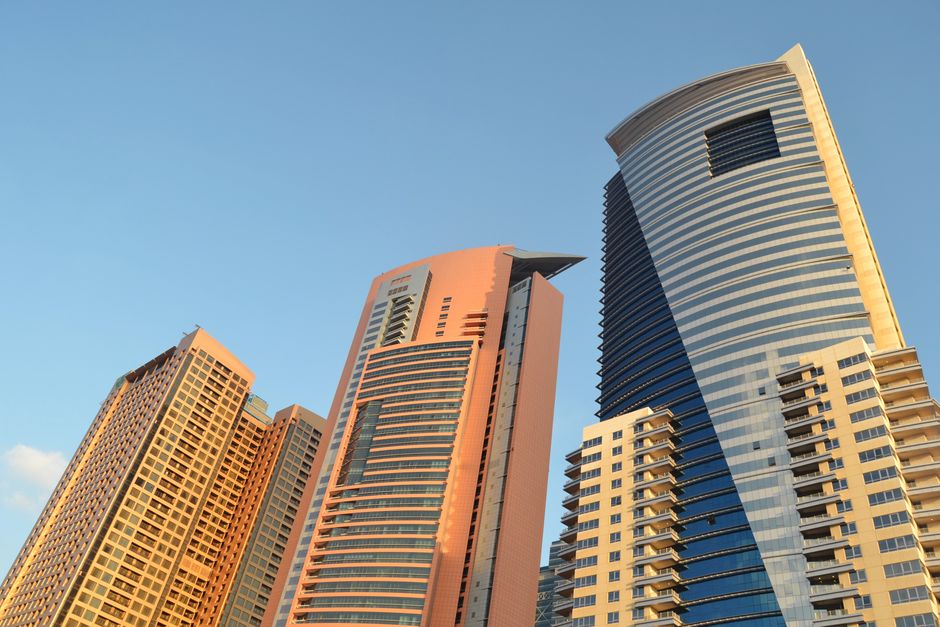
Dubai's residential rental market is undergoing a subtle but significant transformation. After years of tight supply and soaring rents, shifting vacancy rates across key neighborhoods are creating a new dynamic—one that increasingly favors tenants while testing landlord patience and investment models.
The numbers tell a compelling story. Across mid-range communities like Jumeirah Village Circle and Dubai Sports City, vacancy rates have climbed to levels unseen in the past three years, with some buildings reporting 12–15% empty units. Meanwhile, premium addresses along the Palm Jumeirah and Downtown Dubai maintain stronger occupancy, yet even here, landlords are becoming more flexible on lease terms and initial payment structures.
For tenants, this shift is tangible. In JBR, one of Dubai's most established waterfront communities, studios and one-bedroom apartments that commanded AED 50,000–65,000 annually just eighteen months ago now hover around AED 42,000–48,000. Two-bedroom villas in Jumeirah Lake Towers have seen modest but meaningful reductions, with landlords offering longer grace periods and waiving security deposit premiums—concessions that were unthinkable during the golden-visa-driven surge of 2024–2025.
Yet the relief for renters comes at a cost to property owners. Landlords managing portfolios across JVC, JLT, and International City are facing difficult arithmetic: hold firm on pricing and risk extended vacancy, or lower asking rents and compromise on yield stability. Some are extending lease terms or bundling utilities to sweeten deals. Others are renovating units more aggressively, banking on differentiation rather than price competition.
The Data General real estate index suggests that investors banking on traditional yield models—particularly those relying on annual rent hikes—are recalibrating expectations. Properties marketed at AED 1,600 per square foot in mid-tier communities are now pressure-tested against identical offerings just streets away in the same neighborhood.
Industry observers note that the 10-year golden visa initiative continues to underpin demand, but migration patterns have become more selective. Expats are prioritizing proximity to employment hubs, school catchments, and lifestyle amenities. This has benefited some pockets—Al Barsha, Dubai Marina, and Business Bay continue steady occupancy—while leaving others exposed.
For tenants planning moves, the current environment rewards patience and research. For landlords, the message is clearer: passive asset holding no longer guarantees returns. The rental market's realignment suggests Dubai's property ecosystem is maturing, with both parties learning that sustainability beats speculation.
This article was compiled by AI from the sources linked above and screened before publishing. See our editorial standards.
How does this story make you feel?
Spread the word
About this article
Published by The Daily Dubai
Daily brief
Free, in your inbox before 7am. Weekdays.
More in Property