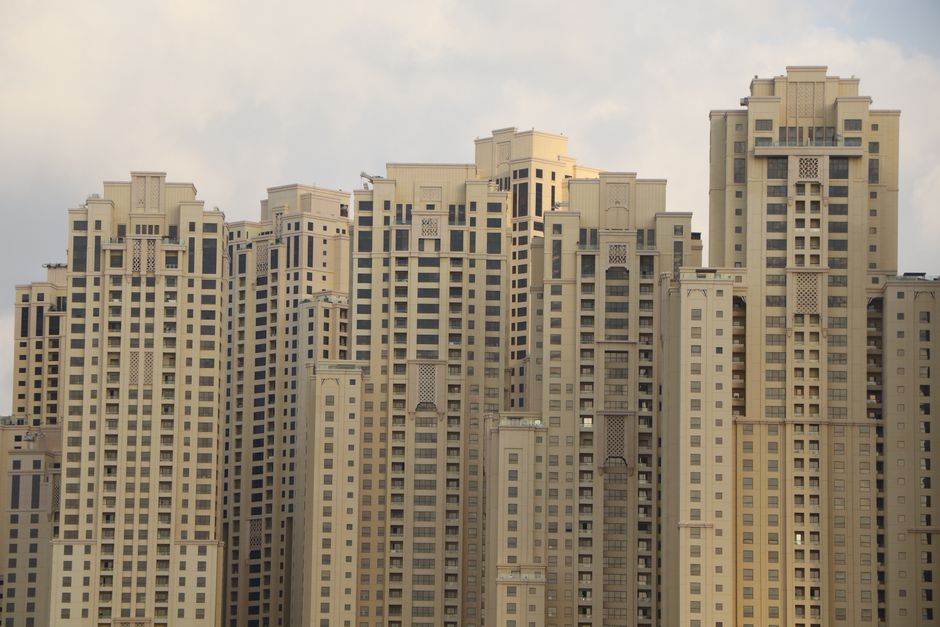
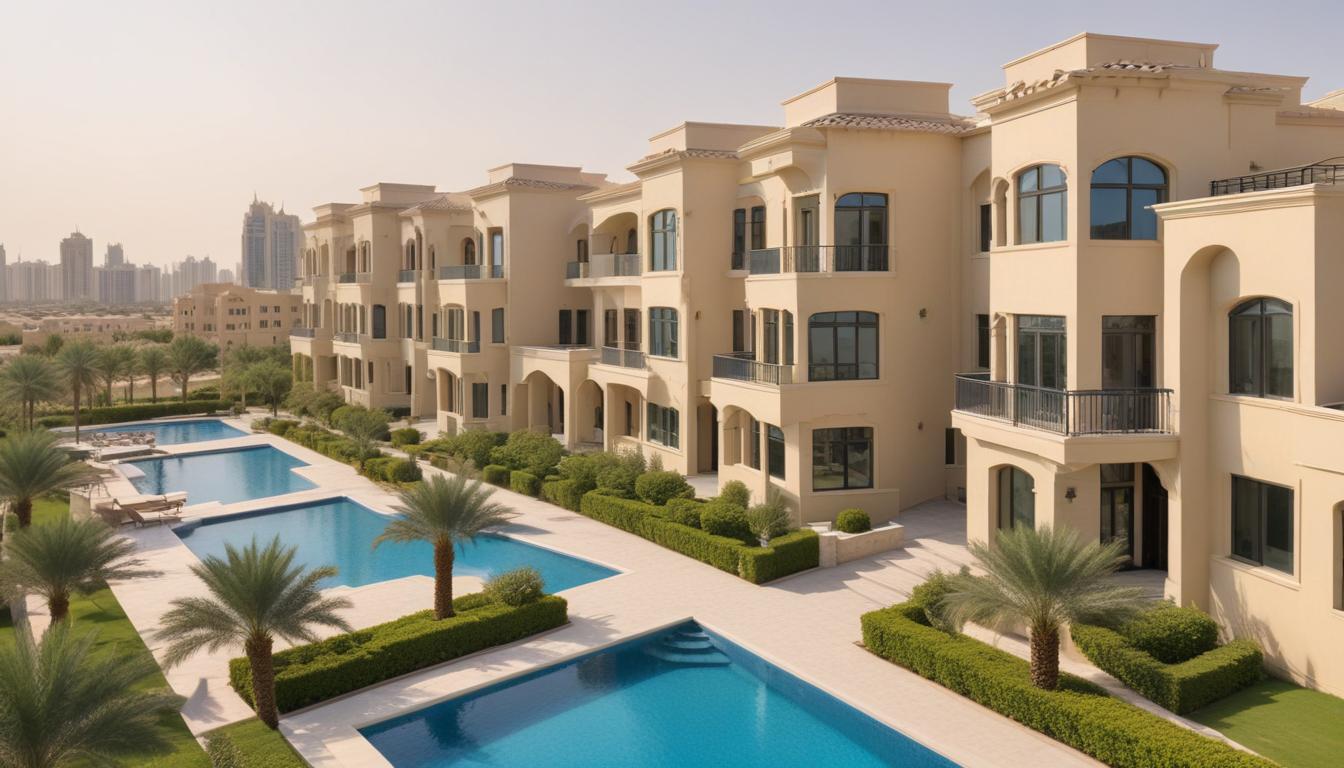
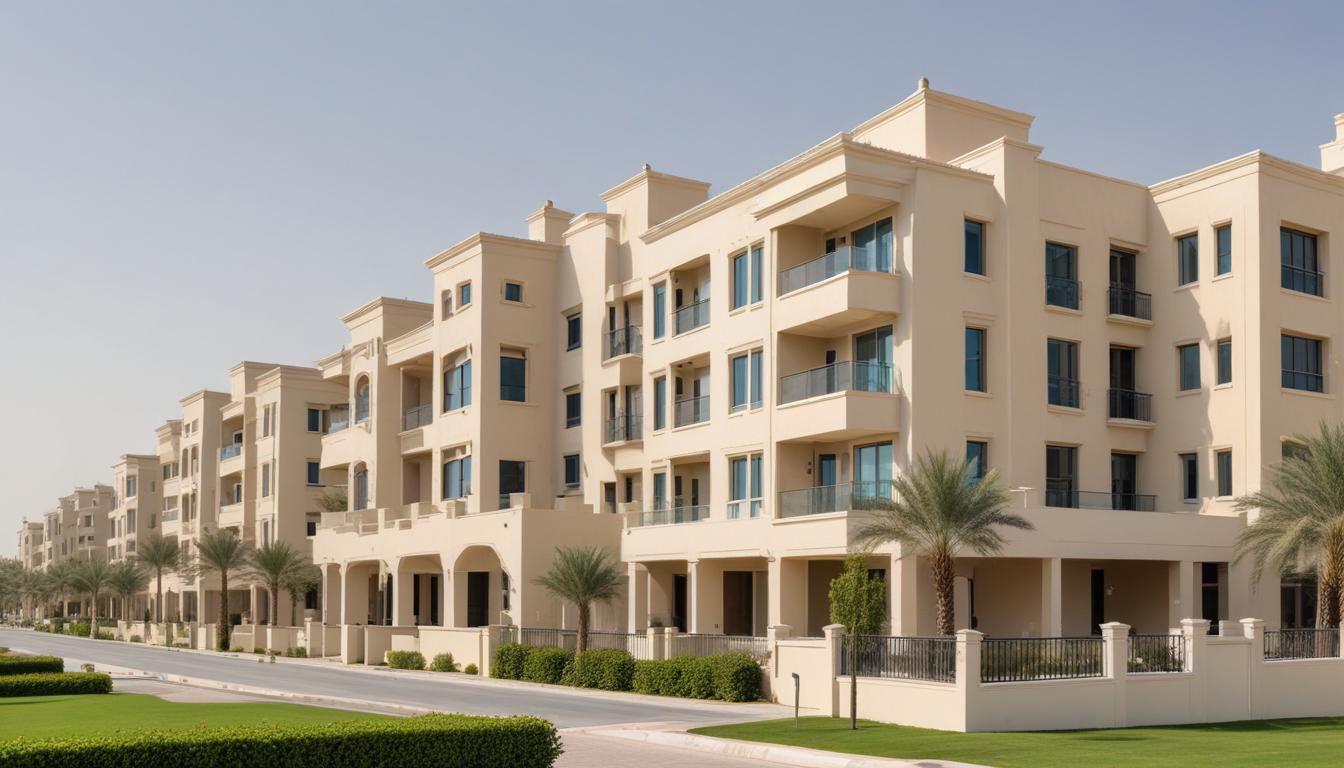
The landscape for first-time property buyers in Dubai has shifted noticeably over the past eighteen months, driven by subtle but consequential policy adjustments that are rewriting affordability equations across neighbourhoods like Jumeirah Village Circle, Townhouses at Dubai Land and Mina Al Arab.
Until recently, first-home buyer grants operated within relatively fixed parameters. The Dubai Land Department's recent clarification on income thresholds and property valuation caps has introduced new complexity. Buyers targeting properties under AED 750,000—the traditional sweet spot for JVC and Arabian Ranches 3 acquisitions—now navigate tighter documentation requirements around previous property ownership across all emirates. This administrative tightening, while intended to prevent scheme abuse, has extended approval timelines by 4–6 weeks on average, according to mortgage brokers working the Deira and Downtown corridors.
Meanwhile, the Central Bank's revised loan-to-value guidelines, implemented quietly in Q1 2026, have created ripple effects beyond Dubai's prime zones. First-time buyers securing mortgages above AED 1 million now face marginally stricter debt-servicing ratios, squeezing monthly affordability. A buyer earning AED 15,000 monthly—previously able to service a AED 850,000 mortgage comfortably—may now qualify for AED 750,000 instead. This has compressed entry points at the JBR waterfront and Studio City clusters, where starter apartments cluster around AED 950,000–AED 1.2 million.
The emirate's planning decisions have simultaneously reshaped geography. Accelerated infrastructure investment around Al Furjan and Ras Al Khor has triggered developer incentives—including back-to-back payment plans and off-plan discounts up to 15 per cent—that effectively bypass formal grants. Savvy first-timers are exploiting these windows before Dubai's regulatory framework catches up, a dynamic that doesn't appear in official grant statistics but moves the actual needle on buyer behaviour.
Golden visa holders, now numbering in the tens of thousands post-2021, occupy an ambiguous position. Recent guidance suggests they qualify for grants only if they've held residency continuously for 36 months, a rule change that has frozen decision-making for thousands of borderline applicants. For many, the path forward now involves partnering with established employers or demonstrating proof of long-term lease agreements—structural shifts that weren't mandatory two years ago.
The cumulative effect is market bifurcation. Policy-conscious buyers are clustering in Emaar-controlled micro-markets and established JLT tower communities where loan approvals move predictably. Meanwhile, emerging zones offering value are attracting speculators and investors, not first-timers. Expect this segmentation to deepen as Dubai's regulatory framework continues its incremental tightening throughout 2026 and beyond.
This article was compiled by AI from the sources linked above and screened before publishing. See our editorial standards.